 1 hour ago
HomeMarket NewsNon-Iranian crude oil flows through Strait of Hormuz surges 50% in June so far
Oil exports from non-Iranian Gulf producers through the Strait of Hormuz rose to 1.8 million barrels per day in the first 10 days of June, even as Iranian shipments remained effectively halted under a US-imposed blockade.
2 Min Read
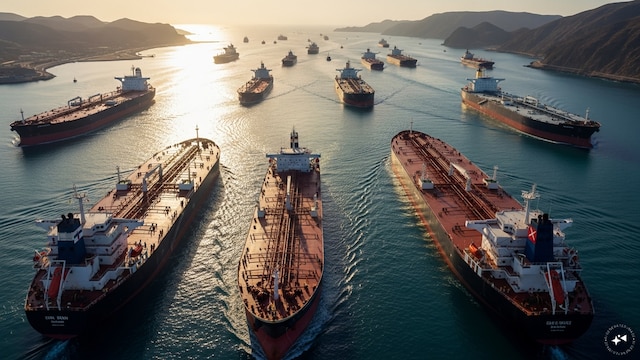
Non-Iranian oil exports through the Strait of Hormuz have increased sharply this month as producers in the Persian Gulf find ways to move cargoes despite continued tensions between the US and Iran.
According to Vortexa data, at least 1.8 million barrels of oil per day transited out of the Persian Gulf during the first 10 days of June, up from 1.2 million barrels per day in May. The figures could be revised higher as additional tanker movements are identified through satellite tracking.
In contrast, Iranian oil shipments through the corridor have collapsed. Vortexa data showed that no Iranian crude transited the strait during the period as a US-imposed blockade continued to restrict the country's exports.
Also read: Oil falls to two-month low as Trump says Iran deal could be signed this weekend
The Strait of Hormuz has remained a focal point of the conflict since the US and Israeli strikes on Iran began in late February. Although oil flows have improved, they remain well below pre-war levels of around 20 million barrels per day of crude oil and refined products.
A growing share of tanker movements is taking place without active Automatic Identification System (AIS) transponders, making vessel tracking more difficult.
The market has increasingly looked through threats of further disruptions. When Iran's Persian Gulf Strait Authority declared the waterway closed on Thursday, Brent crude prices were little changed, in contrast to the sharp rally seen when Tehran first moved to shut the strait earlier in the conflict.
Reports also suggest that significant volumes of oil have continued to leave the region in recent weeks. President Donald Trump has previously referred to a secret initiative that helped roughly 100 million barrels of oil clear the Strait of Hormuz since May.
The increase in Gulf oil flows, combined with weaker Chinese crude imports and releases from emergency reserves, has contributed to a decline in oil prices from the highs seen during the peak of the conflict.
While the latest round of hostilities has not directly affected major regional energy infrastructure, traders remain focused on whether tanker traffic can continue through the waterway following Iran's latest statement on a potential closure.
Meanwhile, the US has intensified enforcement of its blockade on Iranian ports. This week, US Central Command said it disabled two vessels in the Gulf of Oman that were allegedly attempting to breach the blockade, while a third vessel suffered an engine-room fire on Thursday.