 1 hour ago
Months before glacier-triggered flash floods devastated the Nepal-Tibet border, Nepali and Chinese officials met in Kathmandu to discuss disaster risks. Nepal later said it did not get as much data as it wanted from China on glacier movements, water levels and other extreme events to help prepare for such disasters, Reuters reported.
At the May 27 meeting, 10 Nepali officials and about a dozen Chinese officials, including representatives from Tibet, discussed cooperation on floods, weather and glacier-related hazards, according to an agenda prepared by Nepal and reviewed by Reuters. They called for joint measures including inventories of glacial lakes and hazard mapping.
“What we actually wanted from them, and still want, is if there are early movements of glaciers and early movements around that area, we would want to know a bit early,” said Sauhardra Joshi, a hydrologist at Nepal’s Flood Forecasting Division.
China said it had shared important information with Nepal “in a timely manner” and that the two countries had made “substantial progress” on cross-border disaster information-sharing at the meeting.
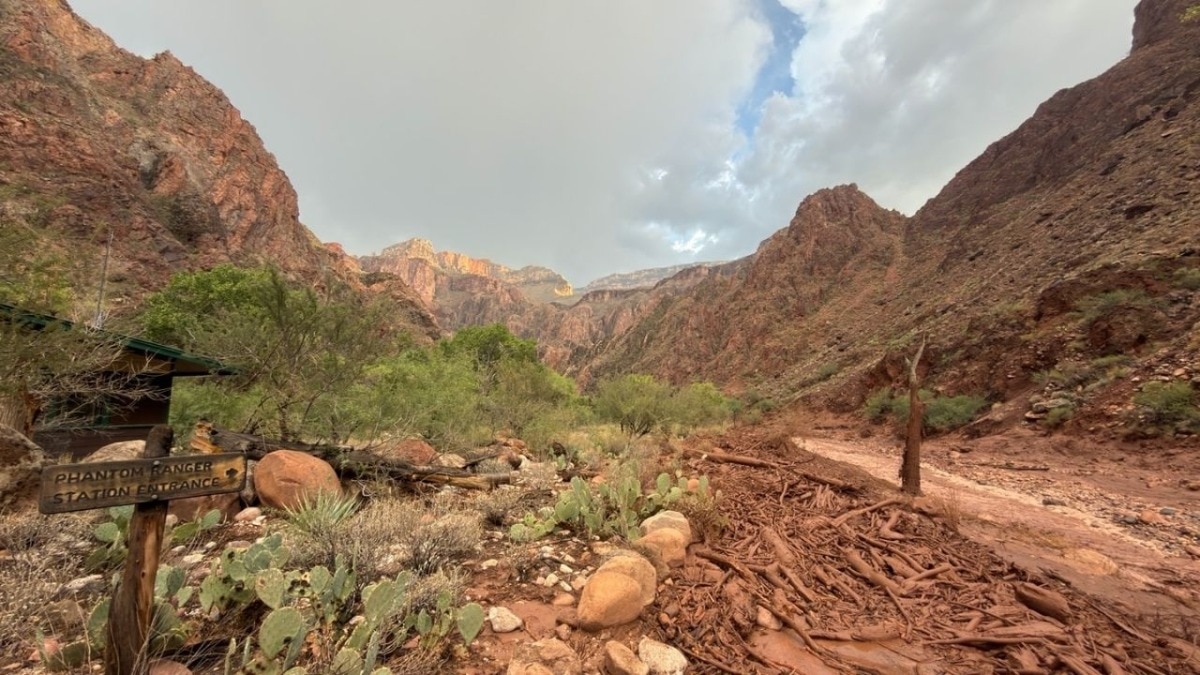
The concerns came into sharper focus on August 26, when a glacier collapse unleashed a torrent of water, mud and rock that tore through the region, killing over 800 people in Nepal and Tibet and leaving more than 3,000 missing, according to the latest figures.
CHINA SAYS GLACIER DATA SHARED 'TIMELY'
China has rejected suggestions that it failed to provide Nepal with adequate warnings. Its embassy in Nepal said the two countries had remained in close contact and made “substantial progress” on disaster information-sharing.
Chinese teams had shared important information with Nepal “in a timely manner”, the embassy said, adding that monitoring hazards in the remote Himalayan region posed significant challenges.
Nepal raised similar concerns last year after a glacial lake outburst flood in Tibet killed at least nine people in Nepal and left more than a dozen missing.
“When the Chinese side sees a heavy precipitation forecast in the Tibet area, then they provide us that forecast and those observations,” said Binod Parajuli, a Nepal government hydrologist. But, he added, this did “not” include information on “avalanche and water level, landslides, extreme events.”
China began sharing heavy-rain forecasts for Tibet with Nepal through WeChat and email about a month ago, Parajuli said.
CHINA WARNED NEPAL OF HEAVY RAIN BEFORE FLOODS
Twelve days before the August 26 disaster, China's World Meteorological Centre warned Nepali officials by email of enhanced rainfall and possible “secondary and cascading hazards”, including landslides and flash floods.
Nepal now wants glacier-related information every 10 minutes, rather than only high-precipitation forecasts, Parajuli said. “We can warn our people, save our people. Our main target is we shouldn't miss any future disaster,” he added.
According to Parajuli, Nepal plans to propose a data-sharing agreement with China modelled on its arrangement with India, which provides more frequent information on precipitation and river levels.
Experts and officials, however, cautioned that the slow progress in bilateral data-sharing was not a significant factor in the latest disaster, which was triggered by a glacier collapse in a relatively unmonitored area.
Environmental anthropologist Austin Lord, a senior fellow at the Stimson Center, said there was no well-developed system for information-sharing between Nepal and China. “That’s not to forgive the fact that there isn’t really a well-articulated system. And there is very limited exchange between Nepal and China,” he said.
“Chinese scientists have a much greater capacity, have much greater resources for monitoring than those on the Nepal side overall,” he added.
HOW THE NEPAL FLASH FLOODS UNFOLDED
At about 8:32 am Nepal time on August 26, a huge surge of water, mud and debris blasted through a border crossing in Tibet, according to surveillance footage.
Twenty-six minutes later, Parajuli received a call alerting him to flooding on the Trishuli river. His team found that a border monitoring station had stopped transmitting data at about 8:40 am.
“We also then tried to contact downstream stations, but downstream stations also couldn't post the data,” Parajuli said, adding that the team suspected the devices had been washed away.
After confirming the flooding with local authorities, Nepal's team issued a public alert to mobile phone users at 9:13 am.
At least four monitoring stations were destroyed as the flood travelled about 168 km downstream from the border. A Nepali government assessment estimated that the torrent carried around 57.4 million cubic metres of water.
The flood damaged 19 bridges and around 40 km of highway and knocked out more than 10 per cent of Nepal's power-generation capacity, according to the Stimson Center.
CLAIMS OVER CHINESE CONSTRUCTION AT TIBET BORDER
Separately, Nepal Correspondence, a social-media platform run by Nepali journalists, alleged that Chinese construction around Gyirong, including Xiaokang settlements and the Gyirong border port, had damaged the Himalayan ecosystem and contributed to the August 26 flash floods, Down To Earth reported.
The account alleged that hills had been cut and construction carried out along the natural course and confluence of the Trishuli river, potentially increasing the force of water flowing towards Nepal. It described the disaster as a “purposeful ecological disaster” and urged Nepal's government to raise the issue with China.
Down To Earth could not independently verify the claims.
Nepali authorities have identified a glacier collapse as the cause of the flash floods. The collapse involved an estimated five million cubic metres of ice and rock, according to Basanta Raj Adhikari, director of the Centre for Disaster Studies at Tribhuvan University.
For Nepal, the disaster has underscored the need for faster and more detailed information from across the border. Officials say better data on glaciers, river levels and other hazards could give communities more time to respond when the next warning comes.
- Ends
(with inputs from Reuters)
Published On:
Aug 31, 2026 07:51 IST