1 hour ago
NATO leaders in Turkey are set to unveil major defence contracts to answer Donald Trump's spending demands. The announcements aim to show allied money is becoming real capability amid wider strains over Turkey and Europe's security role.

Image used for representational purposes only

Ankara,UPDATED: Jul 7, 2026 12:06 IST
NATO is set to announce a series of military projects worth billions of dollars at its two-day summit in Turkey, as the alliance tries to show US President Donald Trump that members are increasing defence spending and turning that investment into military capability. At an event described as the "big reveal", several leaders are expected to announce new deals with defence companies, many of them in the United States.
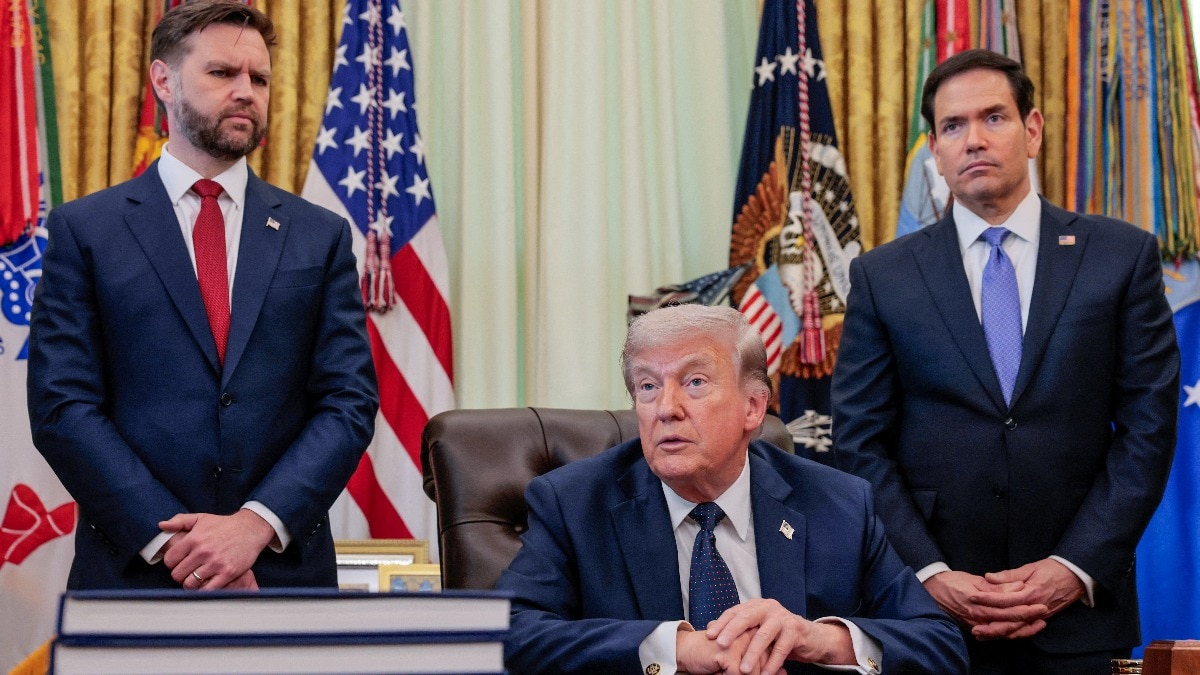
The push comes as Trump continues to criticise the alliance. He has called NATO a "paper tiger" that would stop functioning without American arms and leadership, and appeared unimpressed by recent efforts to highlight higher spending by European allies and Canada. He also said he was disappointed that some NATO allies refused to join the Iran war, which he launched alongside Israel without consulting them. "We don't need their money - we don't need anything," Trump said. "I just want loyalty."
On the eve of the summit, NATO Secretary-General Mark Rutte said the alliance would use the meeting to underline fresh defence commitments. "We will announce tens of billions in new contracts that will provide the crucial kit we need to deter and defend," he told reporters. A few weeks earlier, Rutte had tried to address US concerns over military spending with a chart titled "The Trump Trillion", which showed USD 1.2 trillion in spending by European allies and Canada since 2017.
Among the deals expected to be unveiled is a contract to replace NATO's ageing fleet of surveillance aircraft. While NATO as an organisation does not own weapons, which belong to its 32 member countries, it does operate a fleet of AWACS planes that are about 50 years old, as well as newer surveillance drones. Some of the other projects are expected to be funded through a European Union system of cheap defence loans, backed by up to USD 170 billion raised on capital markets. "We need to ensure that we are translating our economic might into military capabilities, putting the cash to work from defence plans to drones, from money to missiles and interceptors," Rutte said.
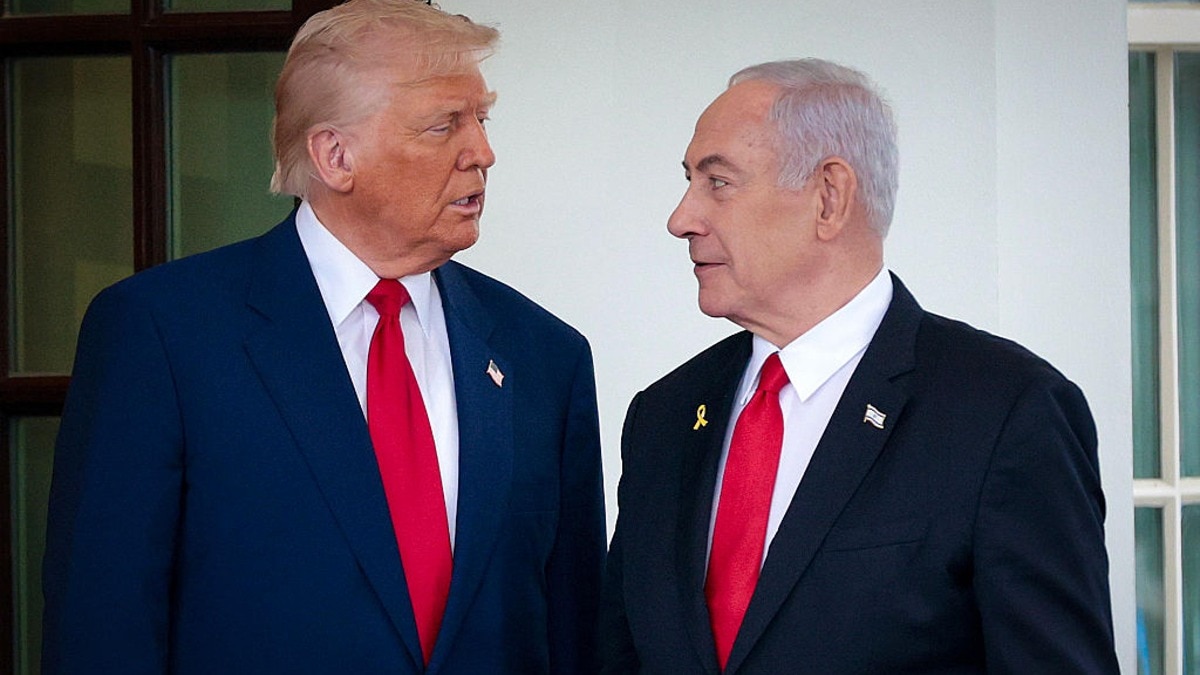
The summit is being held at President Recep Tayyip Erdogan's palace complex in Ankara, and Trump has suggested he would arrive with gifts for the Turkish leader. But the gathering has also brought renewed focus on tensions over possible US fighter jet sales to Turkey. Speaking on "Fox & Friends" on Monday, Israeli Prime Minister Benjamin Netanyahu urged Washington not to sell F-35 fighter jets to Turkey, saying Erdogan "calls openly for the annihilation of Israel". Turkey and Israel have strained ties, with Erdogan frequently accusing Israel of committing genocide in the Gaza war, which followed the Hamas-led attack on southern Israel on October 7, 2023.
Turkey was removed from the F-35 programme in 2019 after buying Russian-made S-400 missile defence systems. However, Trump, who has warm ties with Erdogan, has hinted before his planned visit to Ankara for the summit that the sales could resume. Netanyahu said selling Turkey F-35s would "upset the power balance in the Middle East, which is ultimately guaranteed by Israeli air superiority and also, I think, by America's posture in the Middle East". Israel's air force relies on hundreds of US fighter jets, including F-35s, F-16s and F-15s.
The wider focus of the summit is a stronger Europe within a stronger NATO. The Trump administration has told allies that they must take charge of Europe's security as the United States shifts its attention to China and the Indo-Pacific. The Pentagon is pushing what it calls "NATO 3.0", under which Europe would take greater responsibility for its own defence and allow the US to focus on other priorities.
That shift brings political and financial pressure. Raising defence spending would mean either higher taxes or moving money away from other priorities. UK Defence Secretary John Healey unexpectedly resigned last month, saying the government was unwilling to spend more despite rising threats. At the same time, concern is growing in some northern and central eastern countries that Russia could be preparing a hybrid attack on Europe, combining conventional warfare with tactics such as cyberattacks, as President Vladimir Putin struggles to secure victory in Ukraine.
Keir Starmer's office said the British leader would be "focused on building a stronger and more European NATO" on what is likely to be his last foreign trip as prime minister. Starmer, who announced his resignation on June 22, has faced criticism from military leaders, opposition politicians and some within his centre-left party over the pace of growth in UK military spending. His government has pledged to meet NATO's target of spending 3.5 per cent of gross domestic product on defence by 2035, but has not set out a clear path to get there. Under current plans, defence spending is expected to reach 2.7 per cent of GDP by 2029.
As the summit opens, NATO is trying to show that higher defence spending is being turned into contracts, equipment and military capacity, even as political divisions remain over the alliance's future direction, US expectations, and tensions involving Turkey, Israel and Europe's wider security role.
With PTI Inputs
- Ends
Published By:
India Today Web Desk
Published On:
Jul 7, 2026 12:06 IST