56 minutes ago
Last Updated:December 04, 2025, 19:39 IST
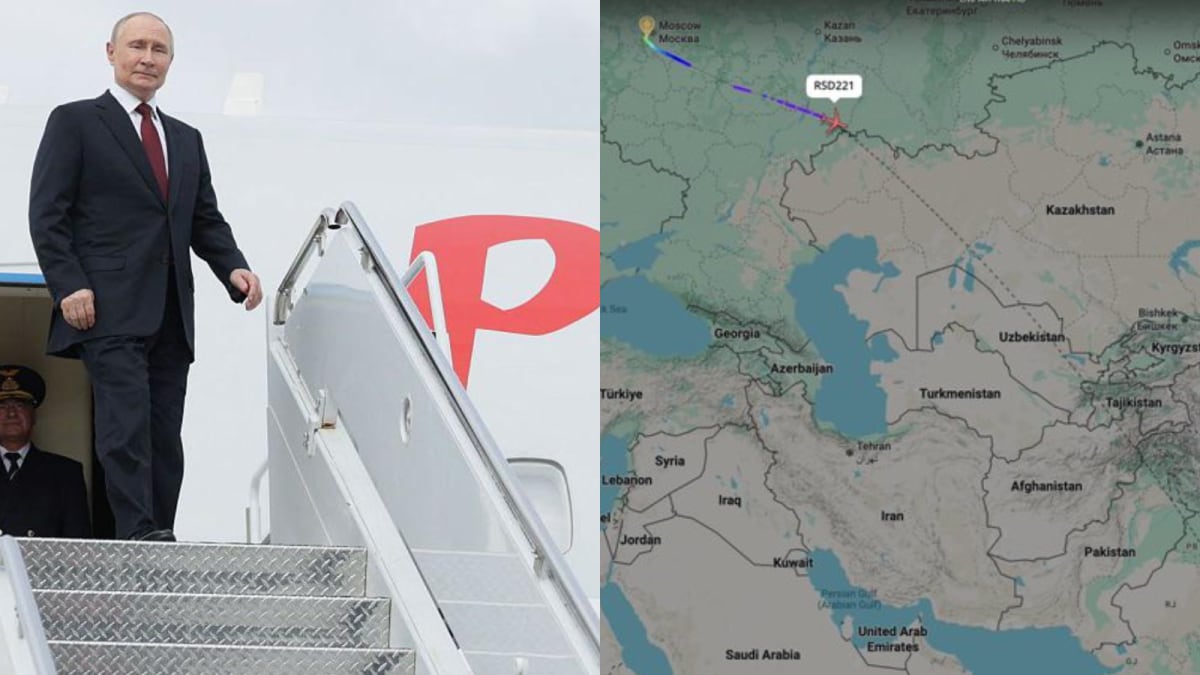
Russian President Vladimir Putin’s visit to India comes on the heels of the 25th anniversary of the Strategic and Privileged Partnership between India and Russia

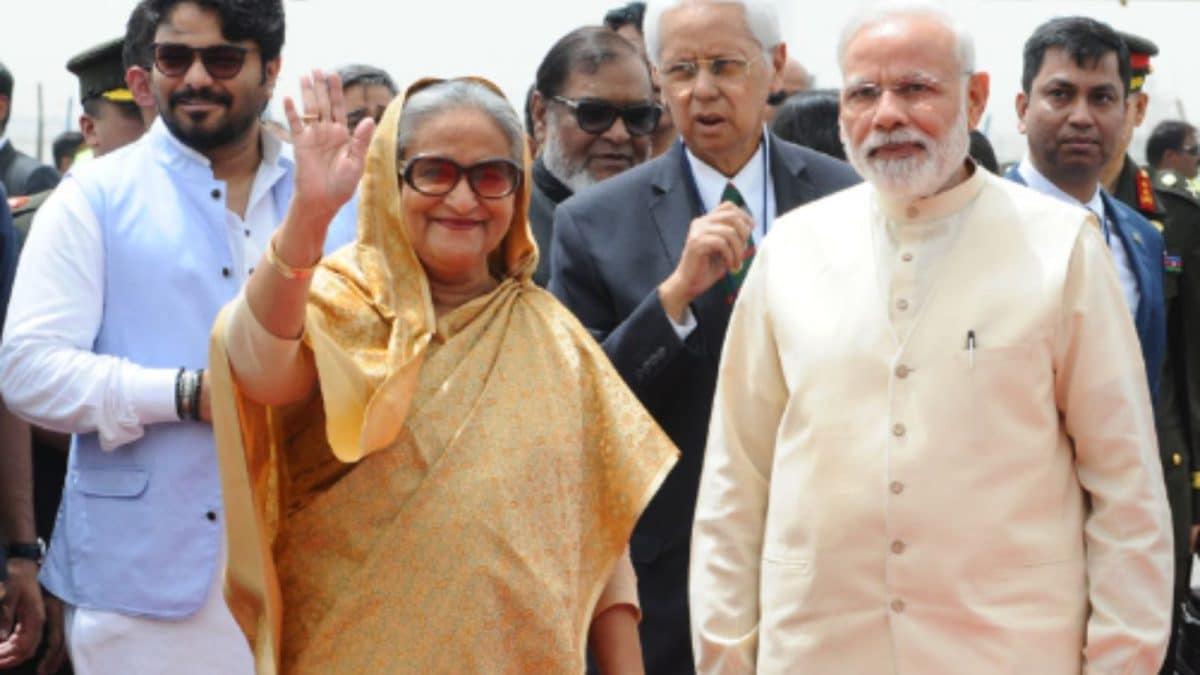
Prime Minister Narendra Modi receives Russian President Vladimir Putin at the Palam Technical Airport in Delhi. (Image/ANI)

At a time when powerful forces in the West want them to break up, India and Russia are reinventing ties in a way that is surprising the world. For years, a convenient storyline floated worldwide: India and Russia are growing apart. India is moving West, Russia is glued to China, and the old partnership is slowly losing steam. But looking closely at what’s actually happening on the ground, the India-Russia relationship isn’t fading at all. It’s being redesigned.
Modi and Putin in the House
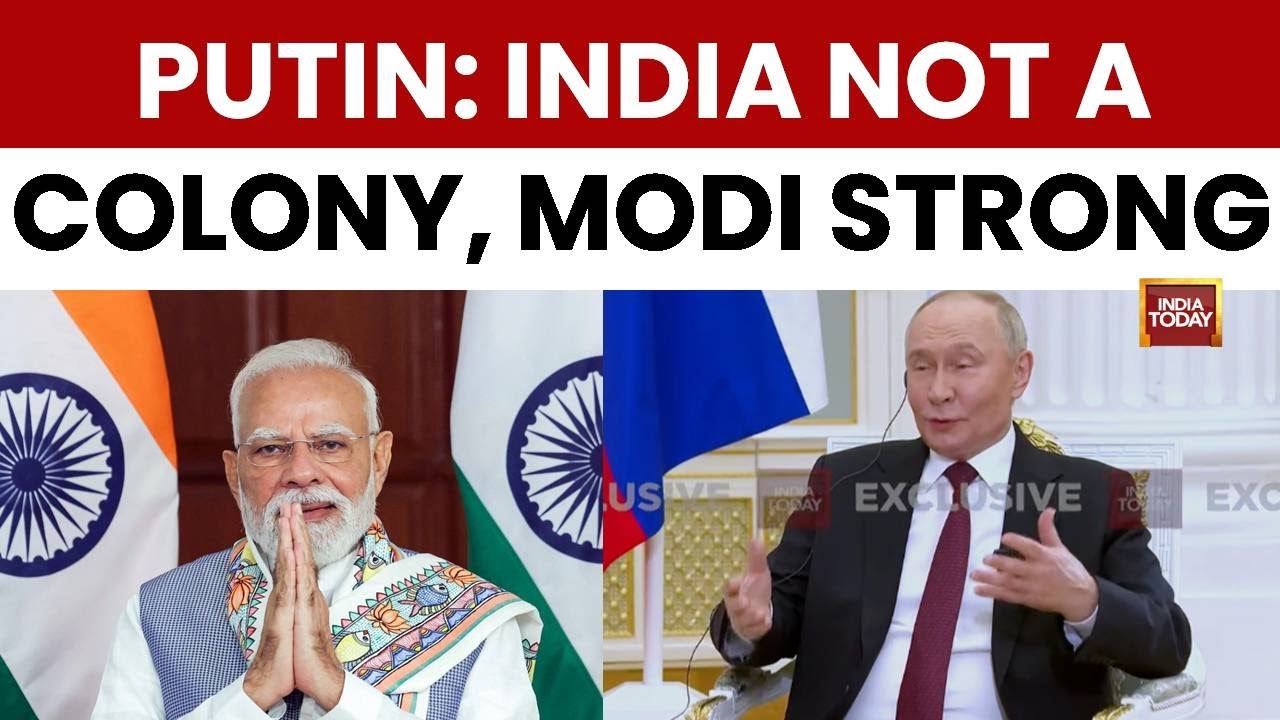
Russian President Vladimir Putin’s visit to India comes on the heels of the 25th anniversary of the Strategic and Privileged Partnership between India and Russia. It’s the 23rd annual summit, and some might wonder why this is being made out to be a big deal. The answer to that is, well, because it is. The Modi-Putin chemistry has altered the trajectory of this relationship. Once predicted to be doomed, it’s instead evolving for a long strategic run.
In the past eleven years, Prime Minister Narendra Modi and President Vladimir Putin have met nineteen times. One must understand how rare it is for leaders to have as long a correspondence as Modi and Putin. When leaders meet that often, diplomacy stops being episodic. It turns into something closer to muscle memory—the kind that absorbs shocks, smooths tensions, and keeps the relationship steady even when the world around them is anything but. As a result, incredible things are happening. It is not just defence ties that have held on and the oil trade that has boomed, but also the labour movement, which is a completely new and underrated element powering the relationship.
Russia Wants More Indian Workers
What began as a trickle in 2022 has expanded rapidly as the Kremlin confronts a labour crisis caused by sanctions, falling birth rates, and the mobilisation of thousands of young Russians for the war in Ukraine. Russian industry today is running short of manpower on an unprecedented scale, and Moscow is now looking at India as a long-term labour partner.
Young Indians from Uttar Pradesh, Haryana, Bihar, and Kerala are increasingly taking up jobs in construction, automobiles, heavy machinery, logistics, and factory work. Entire Indian units are now working in Russian vehicle manufacturing lines and settling in towns far beyond Moscow, places where Indian presence was rare even a decade ago. Russian officials, according to multiple diplomatic sources, are prepared to welcome over a million Indian workers over the next few years.
Russia is facing one of the most severe labour shortages in modern history: Birth rate at a 200-year low. Population shrinking by 0.08% in 2024. The working-age population declining every year. Labour shortfall projected to reach 3.1 million workers by 2030. Post-sanctions industrial expansion has sharply increased demand for manpower. For decades, this gap was filled by Central Asians.
But that model is breaking down: there is a threat from radicalisation, especially after the 2024 Crocus City Hall terror attack carried out by Tajik nationals. Uzbekistan and Kyrgyzstan’s domestic booms are absorbing labour locally. Turkey and the Gulf states are competing aggressively for migrant labour. India, being young, skilled, and a good friend of Russia, is emerging as a comfortable alternative for Russians. Russia wants to hit the accelerator on its industrial base, and Indians are becoming part of that plan.
This labour corridor is a completely new pillar of India-Russia ties, much like the 1970s Gulf boom changed Kerala forever. Families across India will now have economic ties with Russia in ways unseen since the Soviet era.
Defence Momentum Shifting
Defence remains the backbone of the partnership, but its nature is changing. India’s dependence on Russian arms has declined steadily over the past decade, falling to its lowest point in sixty years. New Delhi has diversified its suppliers, expanded joint ventures, and accelerated indigenous production under Make in India.
Take a look at the data: Russia supplied 87-89% of India’s arms at its peak between 2002 and 2012. This has dropped to 36% in 2019-2023, the lowest in 60 years. France and the US have gained steady ground. India’s indigenisation push, cases in point, AK-203 rifles, BrahMos, naval components, and so on, has changed the structure of imports. Yet, this does not mean Russia’s role has diminished to irrelevance. Russia still provides capabilities that no other partner offers with comparable flexibility, like nuclear submarines, hypersonic cooperation, the S-400 air defence system, and access to legacy platforms that continue to form the spine of India’s military inventory.
Putin’s agenda in New Delhi will reflect this balance. Discussions on the S-500 system are expected to take place, a move that would signal long-term trust and a deep technology partnership. Moscow is also likely to push its pitch on the Su-57 fifth-generation fighter, offering levels of co-production and technology sharing that Western suppliers still hesitate to match. Add to this the new reciprocal military logistics pact already cleared by Russia’s parliament, which grants the two navies access to each other’s bases, and the picture becomes clear. The defence relationship is not shrinking; it is being recalibrated. India is no longer merely a buyer. It is increasingly a producer and a seller, shaping the terms of engagement. Russia understands and accepts this.
Trade on Fire
If defence numbers are cooling, trade is on fire—thanks to oil. Russia is now India’s largest crude oil supplier. Post 2022, imports from Russia jumped from 1% of India’s crude basket to over 35%. Bilateral trade hit $68.7 billion in FY 2024-25, almost entirely due to energy.
What this means is that Russia now holds billions of rupees in Indian banks, money parked in Vostro accounts and effectively frozen under sanctions constraints. Russian and Indian financial players are scrambling for solutions. As one top Russian banker recently told Reuters, Moscow is seeking to boost Russian imports of “machine-building, pharmaceuticals and industrial goods" from India and accelerate Indian labour migration as well. The trade target for 2030 has been marked at $100 billion. That’s huge.
Sanctions-Proofing Like a Pro
The extraordinary surge in trade and energy dependence has collided head-on with the constraints of Western sanctions on Russia. With dollars and euros off the table, both Russia and India have moved to settle trade in domestic currencies. Reports suggest that more than 90% of Russia–India trade is now being conducted through the rupee-rouble system.
The traditional mechanism would involve dollars, SWIFT, and vulnerability to Western sanctions. Instead, India and Russia have spent the past few years constructing rupee-rouble payment systems, Special Rupee Vostro Accounts, investment mechanisms that let Russia deploy accumulated rupees into Indian infrastructure, and trilateral settlement arrangements through UAE intermediaries. It’s unglamorous, technical stuff that doesn’t make headlines. But it’s genius-level sanctions-proofing. Both countries are essentially building an alternative financial infrastructure that functions independent of dollar-dominated global systems.
Russia is being pushed to import more Indian pharmaceuticals, chemicals, and engineering goods. India is planning a free trade agreement with the Eurasian Economic Union. Indian goods, pharmaceuticals, machinery, textiles, agricultural products, and medical devices are gaining visibility in Russian markets, but the volume remains modest. The goal of $100 billion bilateral trade by 2030 is achievable, but only if India can expand its export footprint beyond oil-driven numbers. This will require stabilising payment mechanisms, increasing cargo capacity along the North-South Transport Corridor, and the Chennai–Vladivostok maritime route.
All in all, this is a relationship learning to survive a harsher global landscape by becoming more flexible, more diversified, and more deeply aligned with the core priorities of both states. It is being redesigned not for sentiment or nostalgia, but for strategy. And that, in today’s world, may be its greatest strength.
 Click here to add News18 as your preferred news source on Google.
First Published:
December 04, 2025, 19:39 IST
News world Modi And Putin's Surprising Reinvention Of India-Russia Ties
Disclaimer: Comments reflect users’ views, not News18’s. Please keep discussions respectful and constructive. Abusive, defamatory, or illegal comments will be removed. News18 may disable any comment at its discretion. By posting, you agree to our Terms of Use and Privacy Policy.
Read More