 1 hour ago
HomeMarket NewsMarkets in ‘wait and watch’ as US–Iran tensions raise regime-change, oil risks: Prashant Paroda
Prashant Paroda, Portfolio Manager for Emerging Markets at Allspring Global Investments, said his team is closely watching the earnings season, especially banking sector commentary, for signs that market momentum can hold amid global uncertainty.
By Alpha Desk January 13, 2026, 10:47:55 AM IST (Published)

Global markets are in a ‘wait and watch’ mode as investors focus less on daily headlines around the US–Iran standoff and more on a single, high-impact question: whether escalating tensions could ultimately lead to regime change in Iran and unlock sanctioned oil supply, according to Prashant Paroda, Portfolio Manager for Emerging Markets at Allspring Global Investments.
Paroda said this binary outcome — regime change versus the status quo — is what truly matters for markets because of its potential impact on global energy supply. A shift in Iran’s leadership could allow sanctioned oil to return to international markets, reshaping oil dynamics and influencing broader market sentiment. Until there is clarity on this front, investors are likely to remain cautious, creating a prolonged “wait and see” environment rather than reacting sharply to every geopolitical development.
He described the current global geopolitical environment as a high-stakes strategic contest, likening it to a “game of poker” among major powers. “Last year, China showed their cards with rare earths. And now the US is solidifying their oil card across the globe,” Paroda said, suggesting that economic leverage is increasingly being used as a geopolitical tool. While tensions are elevated, he stated there are no immediate signs pointing to a change in Iran’s leadership.
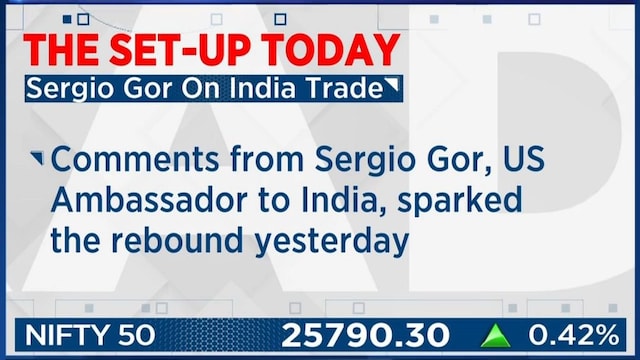
Turning to India, Paroda addressed how the broader geopolitical backdrop, including the US–Iran standoff, intersects with India’s trade dynamics, given its historical export links with Iran. He said a comprehensive India–US trade agreement is unlikely to be concluded until Prime Minister Narendra Modi and US President Donald Trump meet in person. “All this, I guess play back and forth will continue to happen, but my sense is they need to have a meeting and a face-to-face meeting to kind of solidify all their concerns across the board,” he said.
Also Read: Gold and silver price targets: Where are they headed next?
While the direct numerical impact of an India–US trade deal on India’s economy may not be significant, Paroda emphasised that sentiment is the key variable for markets. “The problem is sentiment. Sentiment could turn once we get a trade deal with the United States,” he said, warning that any positive resolution could trigger a swift market rally.
Also Read: LT Foods, KRBL shares fall after Trump threatens 25% tariff on countries trading with Iran
Given this risk of a sharp, sentiment-driven move, Paroda advised investors to remain patient and stay invested rather than attempting to time the market perfectly. “If you haven't built those positions till the trade deal is announced, it would be tough to get back in,” he cautioned.
Reiterating his firm’s constructive long-term view on India, Paroda said Allspring remains slightly overweight on the country and has not made any major positional changes since December. He added that his team is closely monitoring the upcoming corporate earnings season, with particular focus on commentary from the banking sector for cues on the sustainability of market momentum amid ongoing global uncertainty.
For the entire interview, watch the accompanying video