2 hours ago
Last Updated:March 03, 2026, 14:45 IST
George W Bush had attempted a ‘decapitation strike’ on Iraq’s Saddam Hussein on March 20, 2003. Did the strike kill Hussein? What happened later? News18 explains


Former Iraqi president Saddam Hussein during his trial in Baghdad, Iraq, in 2006. (AP)
Before US President Donald Trump’s Iran attack which killed their Supreme Leader Ayatollah Ali Khamenei, George W. Bush had attempted a similar ‘decapitation strike’ on Iraq’s Saddam Hussein on March 20, 2003.
Did the strike kill Hussein? What happened later? News18 explains
The 2003 attempt on Saddam Hussein
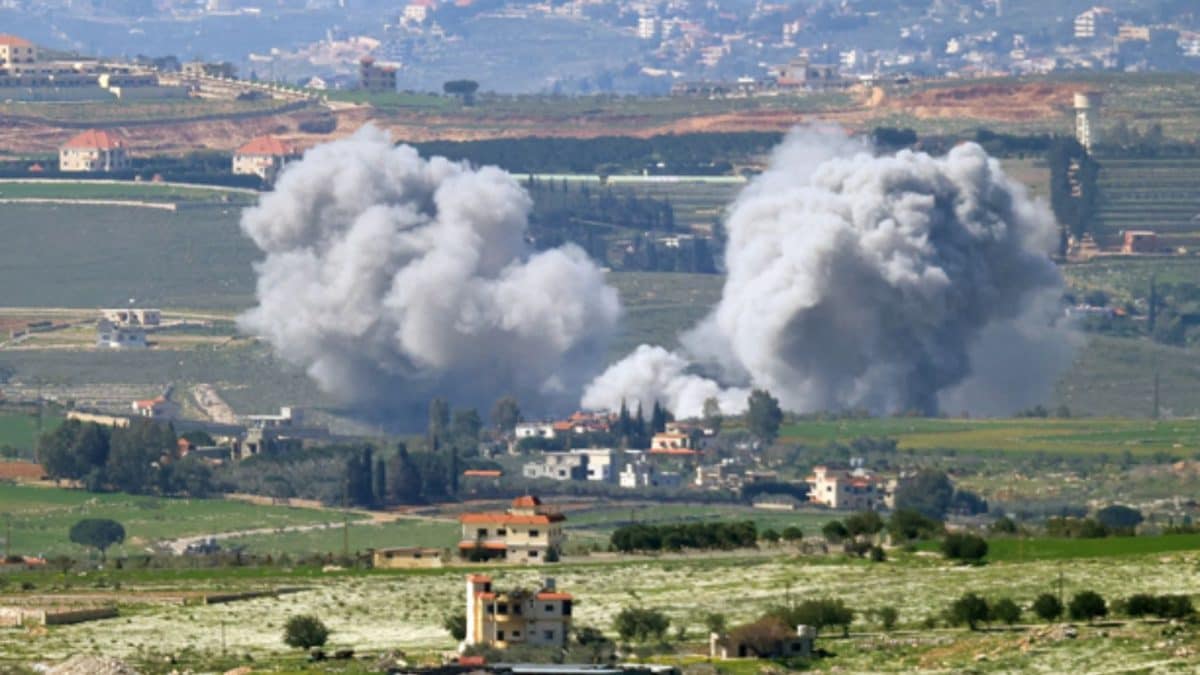
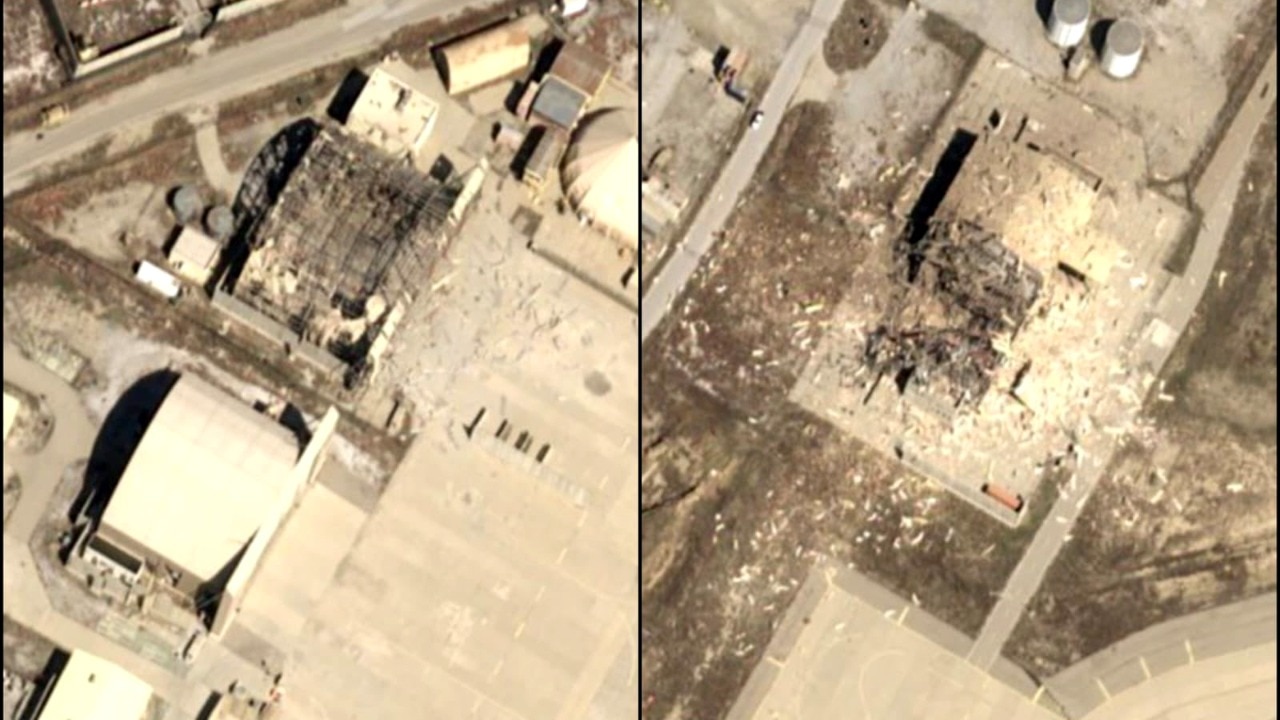
Acting on CIA intelligence that Hussein and his top leadership was in an underground bunker at Dora Farms, a compound on the outskirts of Baghdad, Bush ordered two F-117 Stealth fighters to drop four 2,000-pound bunker-busting bombs, while warships fired nearly 40 cruise missiles.
The strike missed. Post-war investigations revealed that Hussein was not at the compound during the attack and had not visited it since 1995. While the strike destroyed the buildings, it failed to kill the Iraqi leader, who appeared on television shortly after to prove he was alive.
Hussein remained at large for nine months, moving between safe houses in civilian neighborhoods until he was finally captured in a “spider hole" near Tikrit on December 13, 2003.
2003 vs 2026: The attacks compared
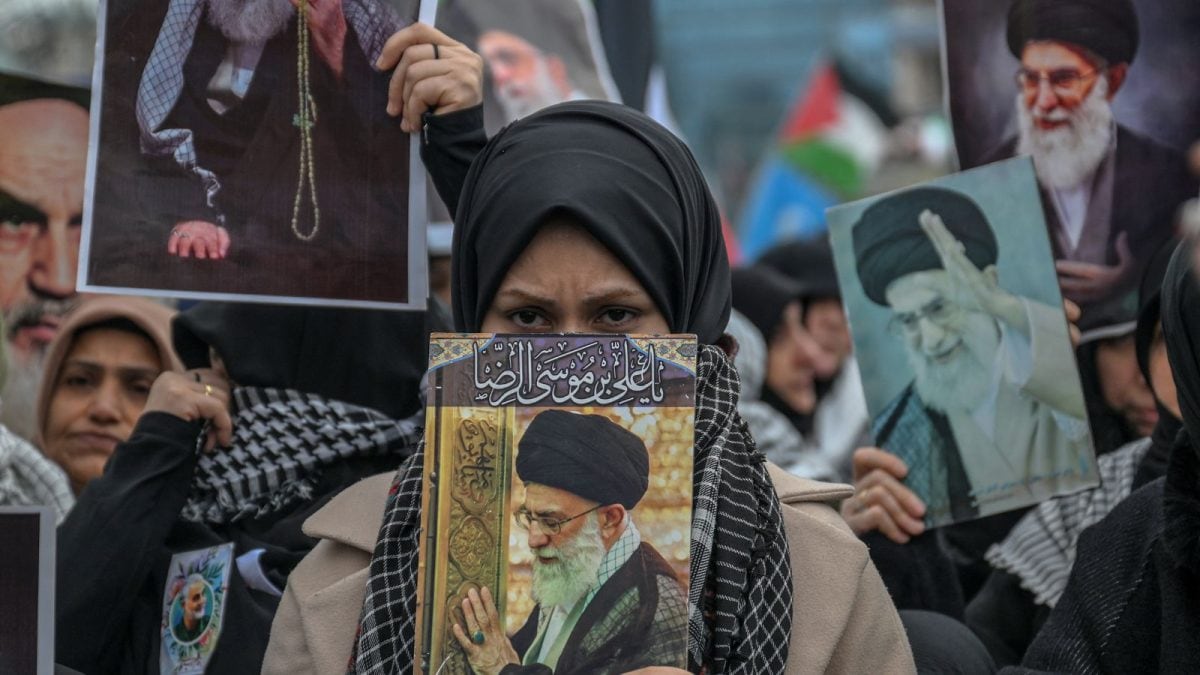
Unlike the missed strike on Hussein, the March 2026 joint U.S.-Israeli operation was reported as successful in killing Ayatollah Ali Khamenei at his compound.
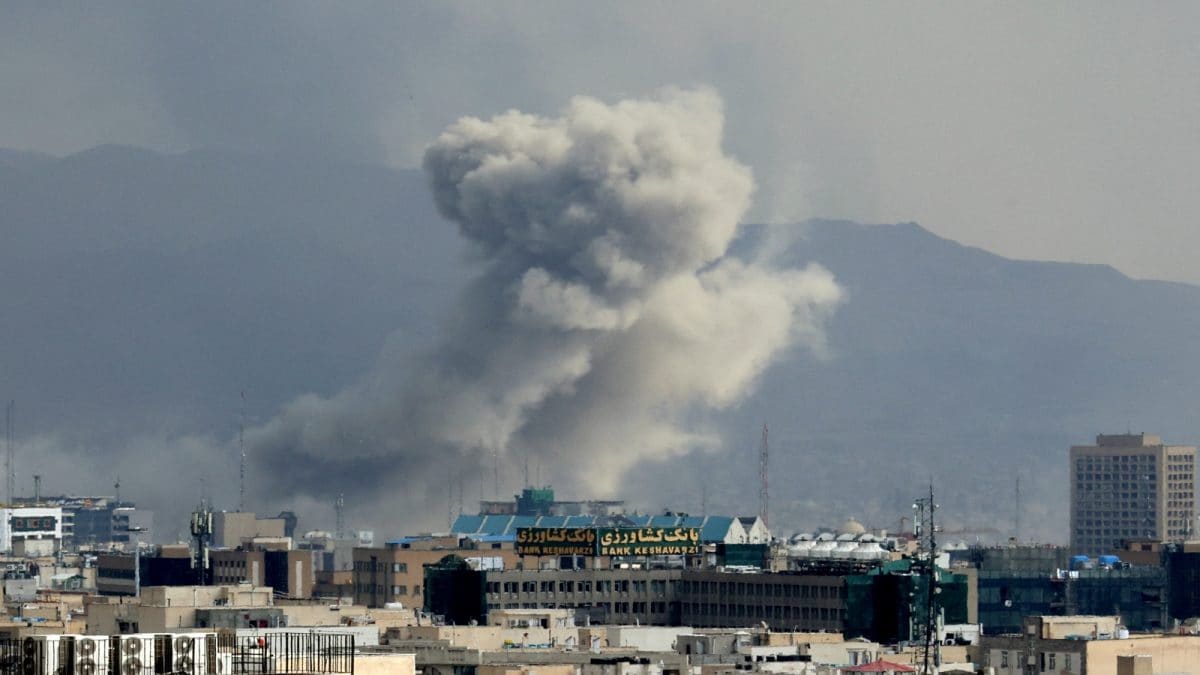
Both the presidents used these strikes as “wars of choice" to eliminate long-standing regional threats. However, Bush’s missed strike led to a protracted 8-year war and the eventual capture and trial of the leader, whereas the 2026 strike on Khamenei resulted in immediate regional escalation, including retaliatory drone and missile strikes across the Gulf.
What happened after the 2003 strike?
The failed attempt transitioned immediately into a full-scale invasion of Iraq. Roughly three hours after the strike, Hussein appeared on Iraqi state television. Wearing a military uniform, he condemned the attack and called on Iraqis to resist the “invaders". Iraqi forces fired Scud and other smaller missiles at the Kuwaiti border, where U.S. and British troops were massed.
While the initial strike was limited, the main “Shock and Awe" bombing campaign—a massive aerial bombardment involving over 1,700 air sorties—began on March 21.
Coalition forces launched a ground incursion from Kuwait, securing the Al-Faw peninsula and the port of Umm Qasr. U.S. and British forces moved through southern Iraq, engaging in the Battle of Nasiriyah on March 23. Most Iraqi military resistance crumbled quickly due to the speed of the coalition’s advance and demoralization caused by the air campaign.
On April 9, 2003, just 22 days after the initial strike, coalition forces captured Baghdad. This was marked by the iconic toppling of Saddam’s statue in Firdos Square. Following the fall of Baghdad, Saddam Hussein and his top leadership went into hiding. On May 1, 2003, President Bush declared the end of major combat operations.
Hussein’s sons, Uday and Qusay, were killed in a raid in Mosul on July 22, 2003. Hussein himself was eventually captured in a “spider hole" near Tikrit on December 13, 2003. He was executed in December 2006.
With Agency Inputs
First Published:
March 03, 2026, 14:45 IST
News explainers Like Trump’s Khamenei Attack, Bush Too Had Tried To Killed Saddam Hussein In 2003, But Failed
Disclaimer: Comments reflect users’ views, not News18’s. Please keep discussions respectful and constructive. Abusive, defamatory, or illegal comments will be removed. News18 may disable any comment at its discretion. By posting, you agree to our Terms of Use and Privacy Policy.
Read More