1 month ago
The interim regime of Muhammad Yunus in Bangladesh promulgated an ordinance to prevent the framing of any charges against July-August protesters. While cases against Sheikh Hasina and her aides are on in various courts, the ordinance means that the killings of scores of police personnel, Hindu minorities, and political rivals will go unpunished.
The interim government has promulgated the July Uprising (Protection and Liability Determination) Ordinance, 2026, providing immunity to the people who participated in the July Uprising, reported Bangladeshi news agency, United News of Bangladesh (UNB). A gazette notification was issued on Sunday night by the Law Ministry, the UNB reported.
"The ordinance ensures withdrawal of all existing civil and criminal cases related to the uprising and bars the filing of any new cases against the participants," reported the UNB.
This might see the killers of police personnel, minorities, including Hindus, and Awami League activists go unpunished. The murderers are likely to include Islamists and radicals, whom the Muhammad Yunus regime has gone soft on.
Such indemnity would find no support from the current Constitution of Bangladesh and might face legal challenge. However, the ordinance might survive a legal challenge because of the pliant legal system that the country has witnessed.
As the quota agitation turned into a broader protest against the Sheikh Hasina regime, police used force to clamp down on protesters. By then, the protests had been infiltrated by political elements and Islamist radicals.
As the protests turned bloody, police stations were burnt down and cops were lynched. The targeted killing of police personnel was another sign that the quota protests had been hijacked.
Reports suggested that dozens of police personnel had been killed and scores deserted police outposts amid the targeted attacks, which is evident from the fact that policing in Bangladesh is yet to return to normal even after 1.5 years of the anti-Hasina protests.
However, a list released by the police headquarters in October 2024 said 44 police officers had been killed during the July-August protests, according to The Dhaka Tribune.
Earlier in January, a clip of leaders of the Anti-Discrimination Student Movement, which toppled Hasina's government, boasting of killing a Hindu police officer, Santosh Chowdhury, in an arson attack went viral. They were referring to the brutal attack threatening cops in a police station to demand the release of a colleague from custody.
BNP leader Saidur Rahman Bachchu claimed in January 2025 the role of the party's members in the killing of 13 police personnel in an attack on Enayetpur police station in Sirajganj. The cops were beaten to death on August 4, 2024, and the BNP leader said the attack "broke the back of the police force" and "accelerated" the July 2024 movement, according to The Daily Star.
Immediately after the fall of the Hasina regime on August 5, 2024, Bangladesh was plunged into lawlessness. Hindus, who are in the minority, political rivals, especially Awami League members, were targeted and killed. The first three days saw over 200 instances of attacks on minorities, and at least five Hindus being killed.
The ordinance by the Yunus regime might allow such targeted killings of Hindus, political rivals and police personnel to go unpunished.
"The ordinance allows allegations of killings during the uprising to be investigated by the Human Rights Commission," reported the UNB. It added that law enforcement agencies cannot be assigned such probes.
If the Human Rights Commission finds that actions were part of "political resistance", it can "recommend government compensation to affected families, but no legal case can be filed."
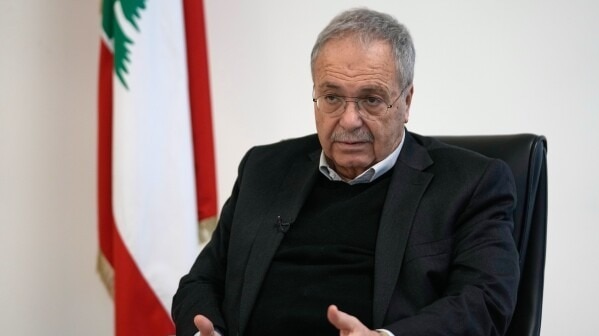
Ghulam Muhammed Quader, the chief of Bangladesh's Jatiyo Party, the main opposition party during Hasina's Awami League government (2024 onwards), demanded that "justice must also be served for the police officers who were killed during the movement".
In an Opinion for India Today Digital, Quader said that the number of police personnel killed in the July-August agitation might be way higher than the official count of 44. He also sought a probe into the use of 7.62mm rifles, which weren't standard police firearms.
The Yunus regime, which was brought by the leaders of the agitation, is likely to frame rules to implement the ordinance. So, in a way, the regime that was brought in by the agitators with blood on their hands is helping them avoid legal cases, even in cases of murder. Even as the Yunus regime gets the Crimes Tribunal (ICT) to try Hasina and her aides, it might be allowing the killers on the other side of the spectrum to go scot-free.
- Ends
Published By:
Shounak Sanyal
Published On:
Jan 27, 2026
Tune In