2 hours ago
Last Updated:March 06, 2026, 06:58 IST
Satellite images suggest that radar systems linked to the US Terminal High Altitude Area Defense in Jordan, the United Arab Emirates, and Qatar may have been struck.


Radar bases housing key US missile interceptor hit in Jordan and UAE, satellite images show
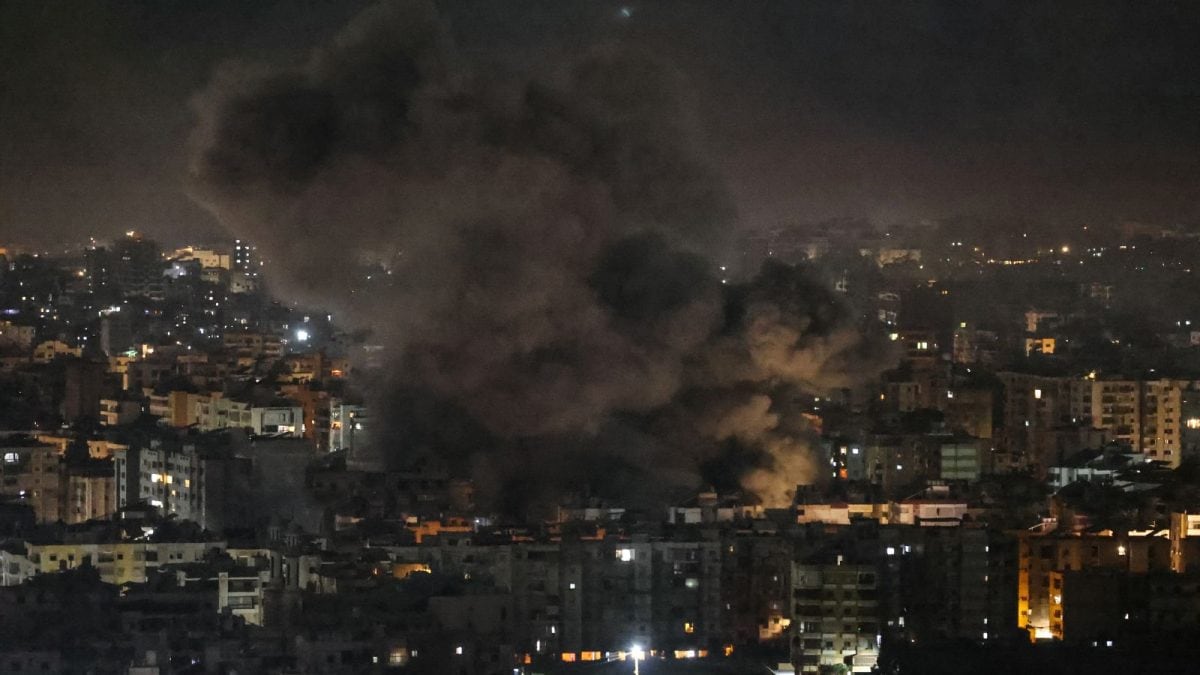
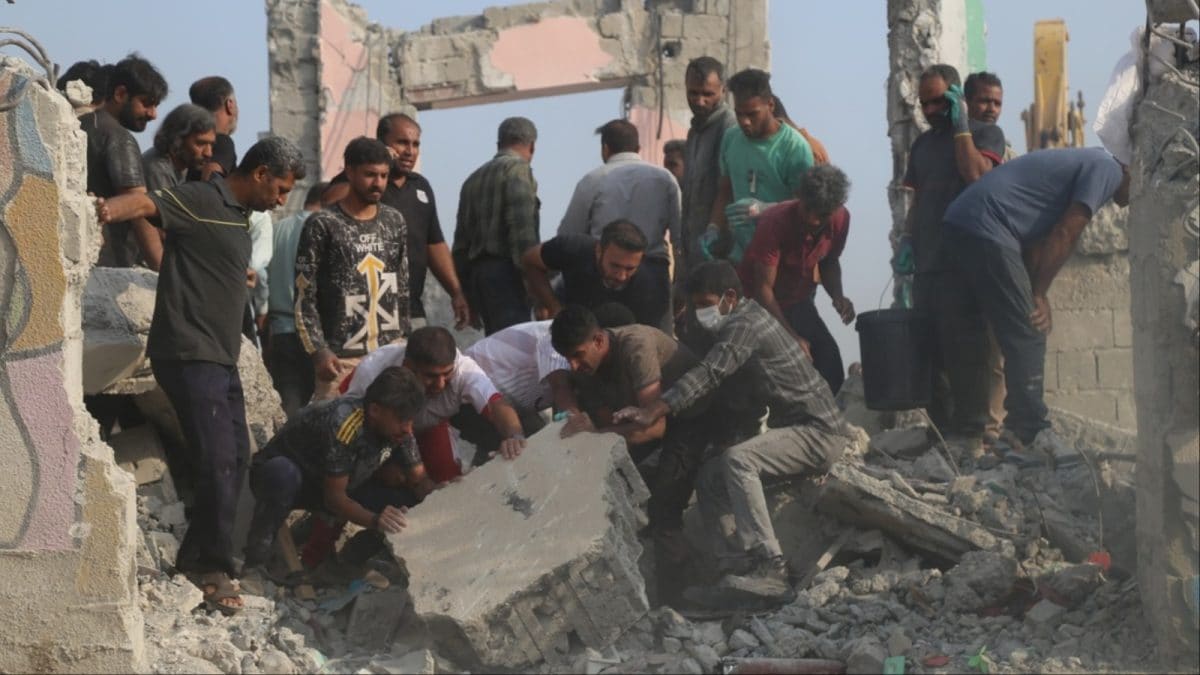
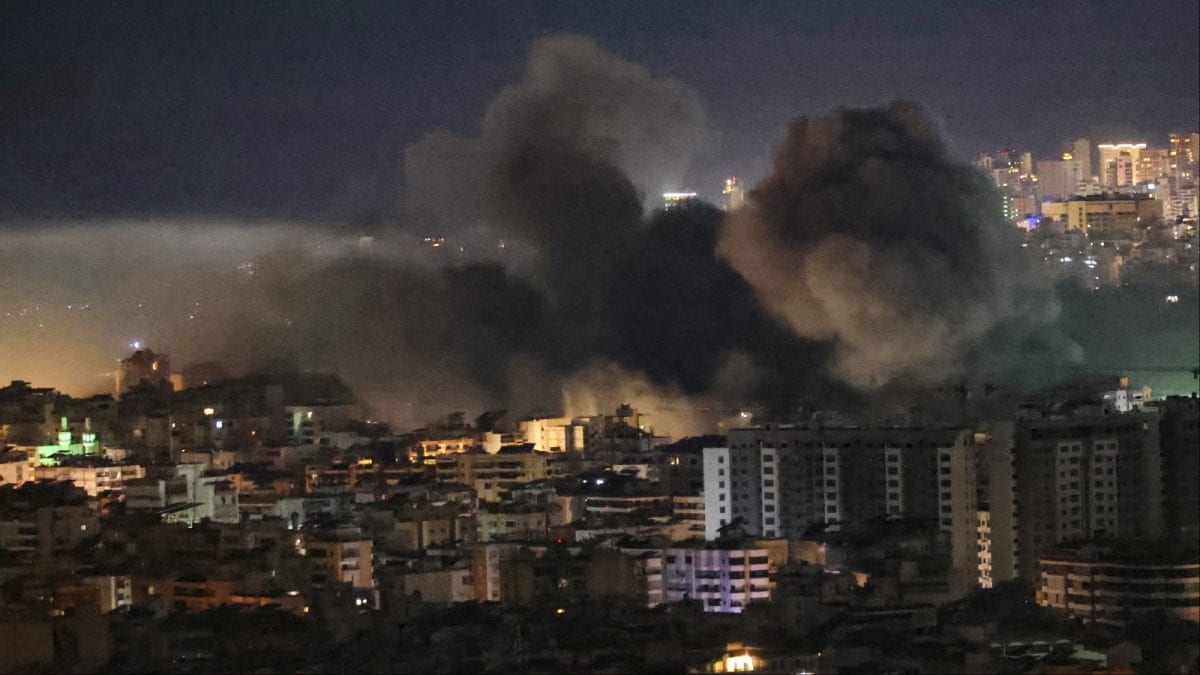
New satellite imagery analysed by CNN suggests that radar systems connected to US-supplied missile defence networks in the Middle East, specifically in Jordan and the UAE, may have been targeted during the opening phase of the current conflict involving Iran.
According to the analysis, several military installations across the Arabian Peninsula show signs of damage to facilities that typically house radar components used for missile detection.
These radars play a crucial role in identifying incoming ballistic missiles and drones and are a core part of the Terminal High Altitude Area Defence, which is designed to intercept and destroy ballistic missiles during flight.
The imagery suggests a possible attempt to degrade regional air-defence capabilities by disabling radar systems that provide early warning and targeting data.
THAAD RADAR REPORTEDLY STRUCK AT JORDAN AIRBASE
One of the clearest examples of damage appears at Muwaffaq Salti Air Base, a key military facility in Jordan where a US THAAD missile battery had been deployed.
A satellite image taken earlier this week shows two large impact craters near the radar installation associated with the system.
CNN reports that the craters are roughly 13 feet wide, indicating that the site may have been struck multiple times.
The radar system forms a critical part of the THAAD network, which relies on advanced sensors to detect incoming threats and guide interceptor missiles.
Equipment for the radar is typically spread across several large trailers, each around 40 feet long, suggesting that a strike aimed at disabling the system may have required more than one attempt.
The THAAD battery had reportedly been stationed at the Jordanian base since mid-February, and satellite images indicate the site may have been hit between March 1 and March 2.
The base itself has been a major operational hub for US forces.
Images taken before the outbreak of hostilities show more than 50 fighter aircraft, along with drones and transport planes, positioned on the tarmac.
Additional aircraft may have been stored in hardened shelters that are not easily visible from satellite imagery.
POSSIBLE DAMAGE TO RADAR FACILITIES IN THE UAE
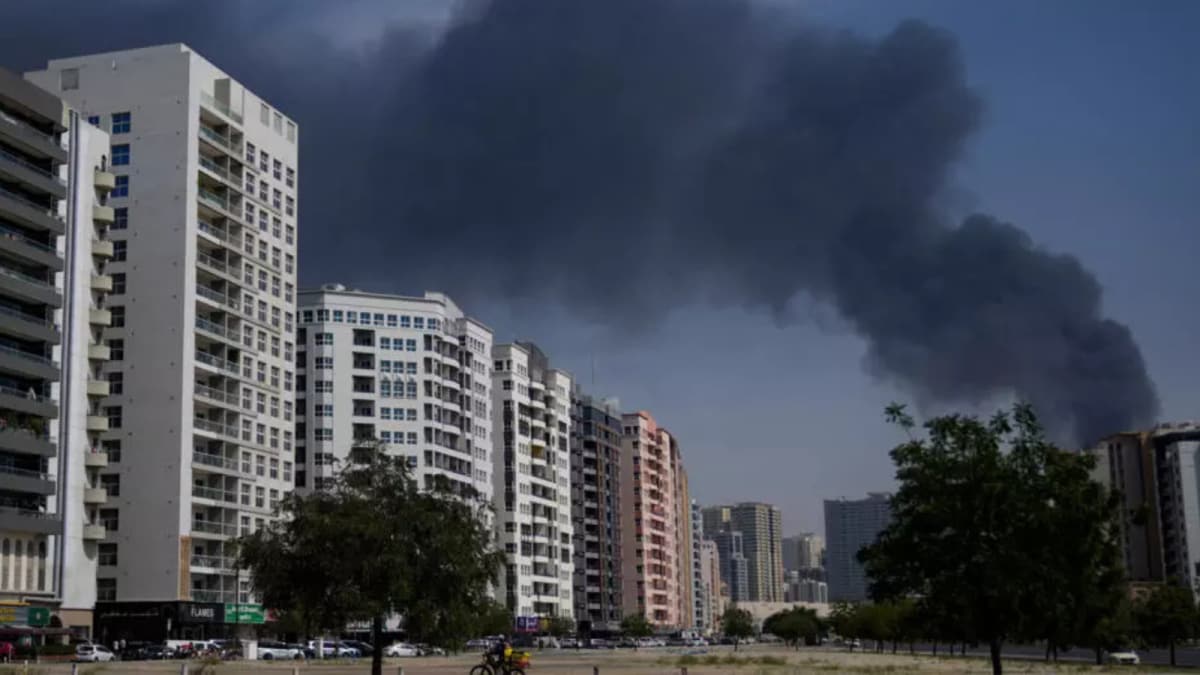
Similar signs of damage were also observed at military installations in the United Arab Emirates.
Satellite images reviewed by CNN show multiple damaged structures at sites near Ruwais and Sader.
At least three buildings appear to have been struck at one site and four at the other between February 28 and March 1.
Some of the buildings affected include vehicle sheds commonly used to house mobile radar systems associated with THAAD batteries.
However, it remains unclear whether the radar equipment was present inside the structures at the time of the strikes.
CNN reported that historical satellite imagery indicates THAAD systems had previously been deployed at both locations, with radar components visible outside the sheds in earlier images dating back to 2016 and 2018.
It is not yet confirmed whether the facilities were hosting systems operated by the US military or those owned by the UAE itself.
Early-warning radar in Qatar also shows damage
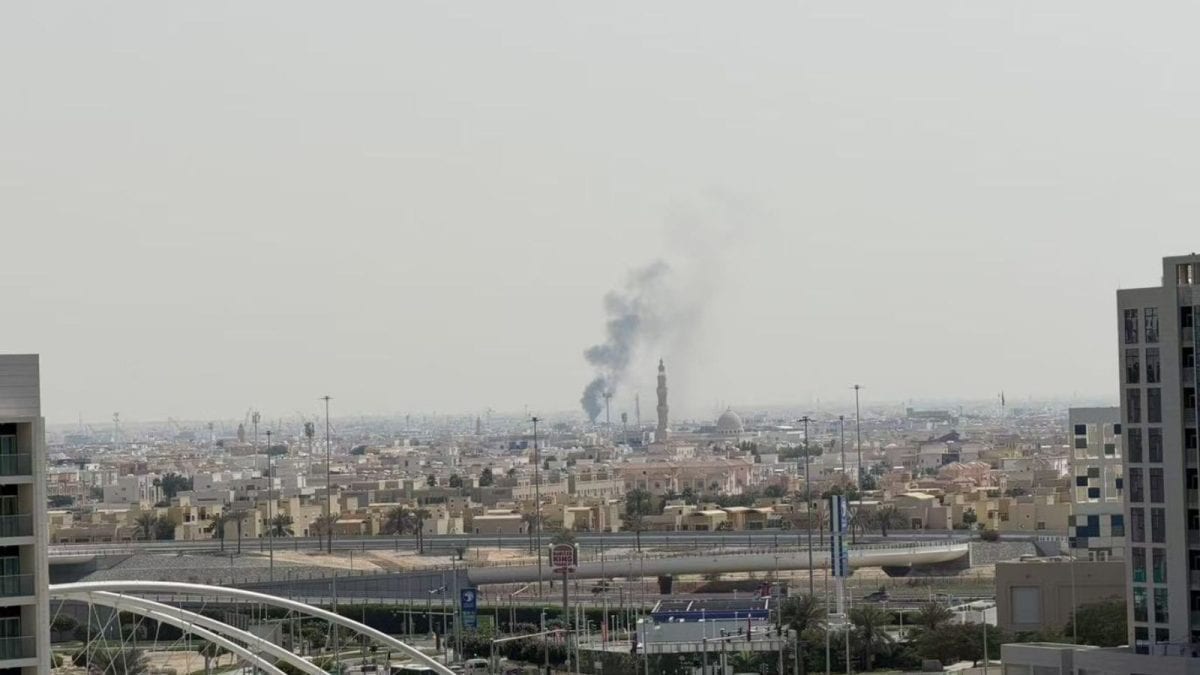
Additional satellite imagery suggests that an early-warning radar installation in Qatar may also have been damaged.
Images reviewed by researchers at the James Martin Centre for Nonproliferation Studies show signs of damage at a US-made radar site located at Umm Dahal.
The analysis was conducted by research associate Sam Lair, who examined imagery captured on March 3, 2026.
PENTAGON DECLINES TO DISCUSS OPERATION DETAILS
Meanwhile, US officials have declined to confirm the status of specific radar systems or missile defence installations in the region.
A spokesperson for the United States Department of Defence told CNN, “Due to operational security, we are not going to comment on the status of specific capabilities in the region."
CNN also said it had contacted authorities in Jordan and the UAE for comment regarding the reported damage.
Regional military activity increases as conflict continues
Meanwhile, residents in the UAE have reported increased activity from fighter jets in recent days.
On Tuesday, French Foreign Minister Jean-Noël Barrot stated that France had deployed Dassault Rafale aircraft over the UAE to help protect French military installations in the country.
Barrot did not provide further details on whether the jets had been involved in intercepting missiles or drones.
Despite continued threats, the UAE says the number of ballistic missiles targeting the country has dropped significantly since the first day of the war.
Authorities reported that missile launches decreased from 137 on the opening day of the conflict to seven on Thursday.
However, drone attacks remain frequent.
Officials were quoted as saying that the UAE has faced 1,072 drone attacks and 196 ballistic missile launches since the conflict began, making it one of the most targeted countries in the Gulf region.
First Published:
March 06, 2026, 06:52 IST
News world Key US-Linked Missile Defence Radars Hit In Jordan And UAE, Satellite Images Suggest: Report
Disclaimer: Comments reflect users’ views, not News18’s. Please keep discussions respectful and constructive. Abusive, defamatory, or illegal comments will be removed. News18 may disable any comment at its discretion. By posting, you agree to our Terms of Use and Privacy Policy.
Read More