1 hour ago
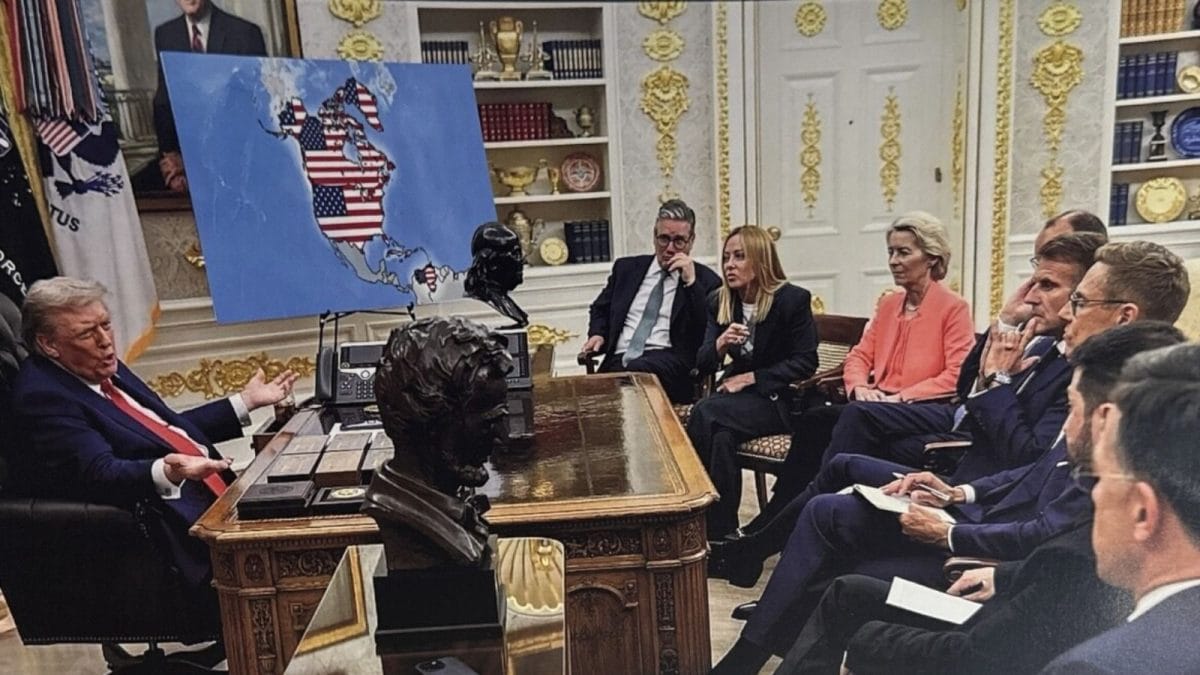
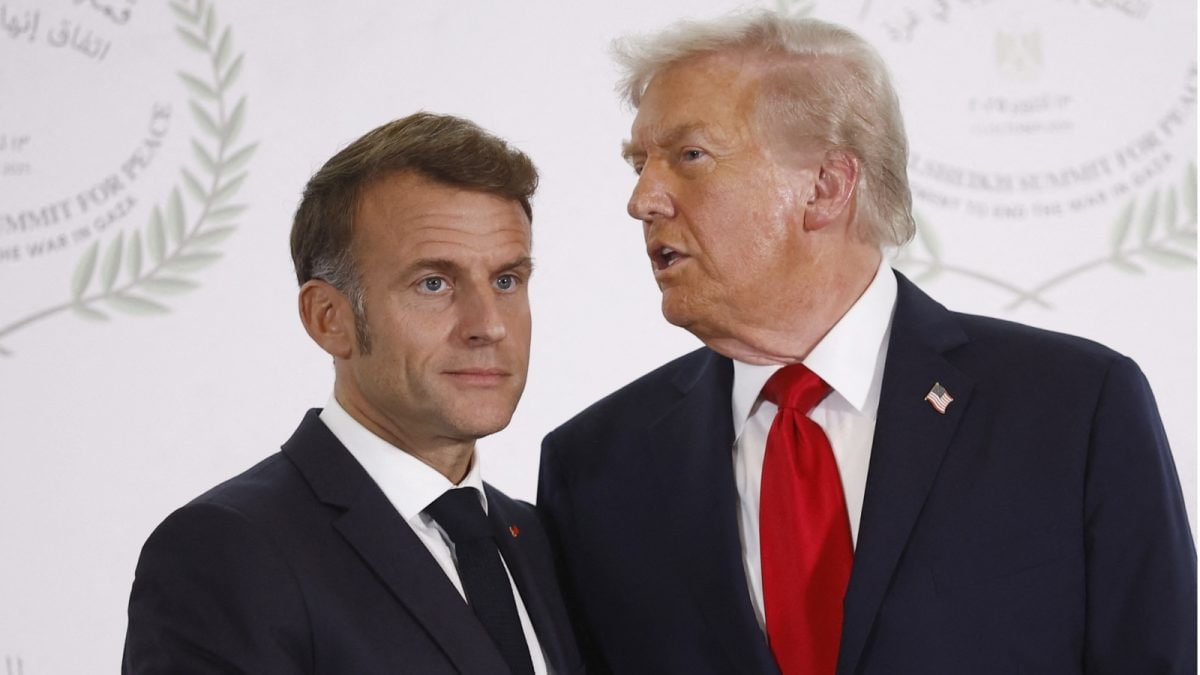
Denmark is seeking military backing from European Nato allies as US President Donald Trump seeks to take over Greenland, a Danish territory. However, Denmark itself had reportedly refused to back Nato member Greece against Turkey in 1974, saying the military alliance has no role in a crisis between its member states, according to ex-Greek minister Yanis Varoufakis.
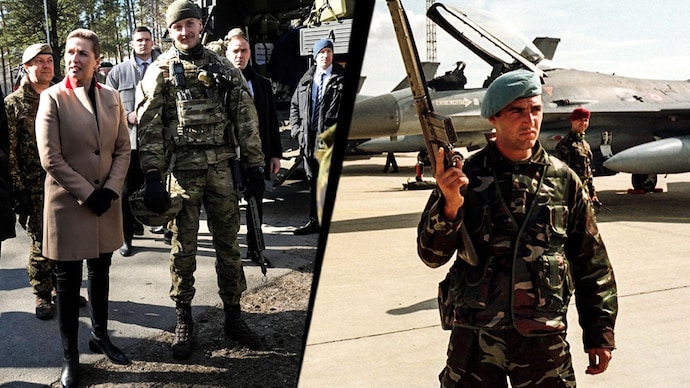
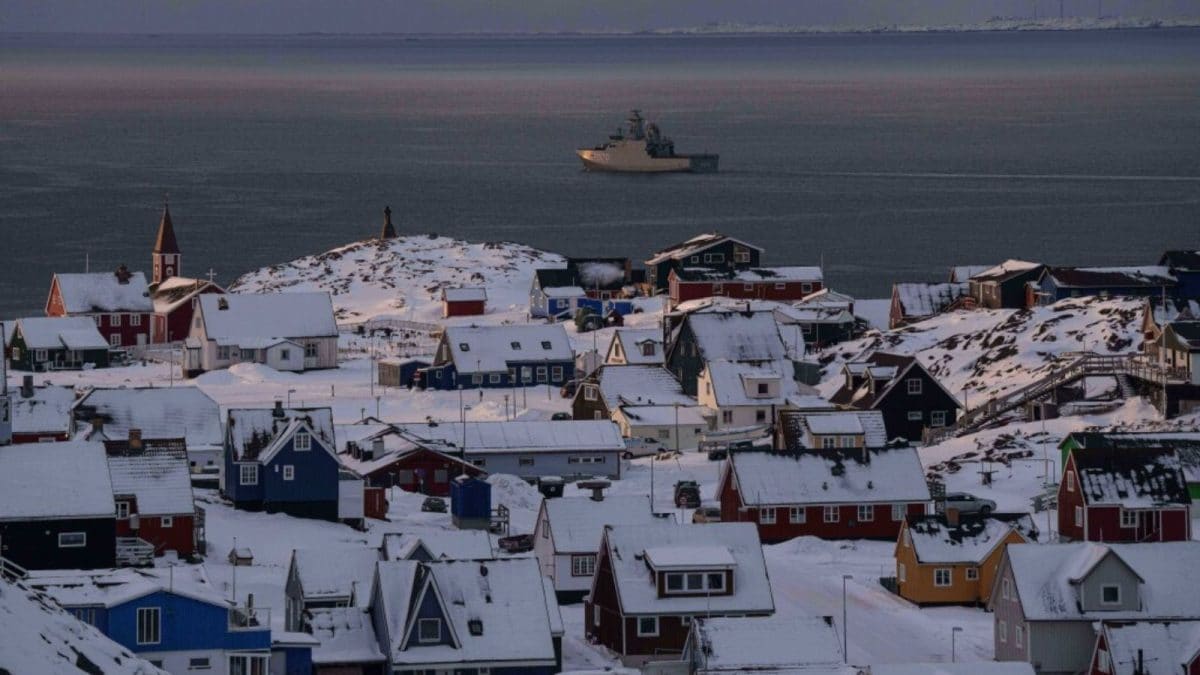
Danish Prime Minister Mette Frederiksen has said Europe won't be blackmailed in the wake of US threats over Greenland. (Images for representation: Reuters)
Denmark is facing quite a situation with the most unlikely of partner nations — the US — over Greenland. US President Donald Trump is hell-bent on assuming full control of Greenland from Denmark, which, like America, is a Nato member. In effect, a Nato member is facing a fierce military threat from a member state of the security alliance. But for Denmark, it could be a moment of karma biting back. In 1974, during the Cyprus crisis, when tensions flared between two Nato members — Greece and Turkey — it was Denmark, which reportedly said that the military grouping's mandate was not to defend any member-state from another.
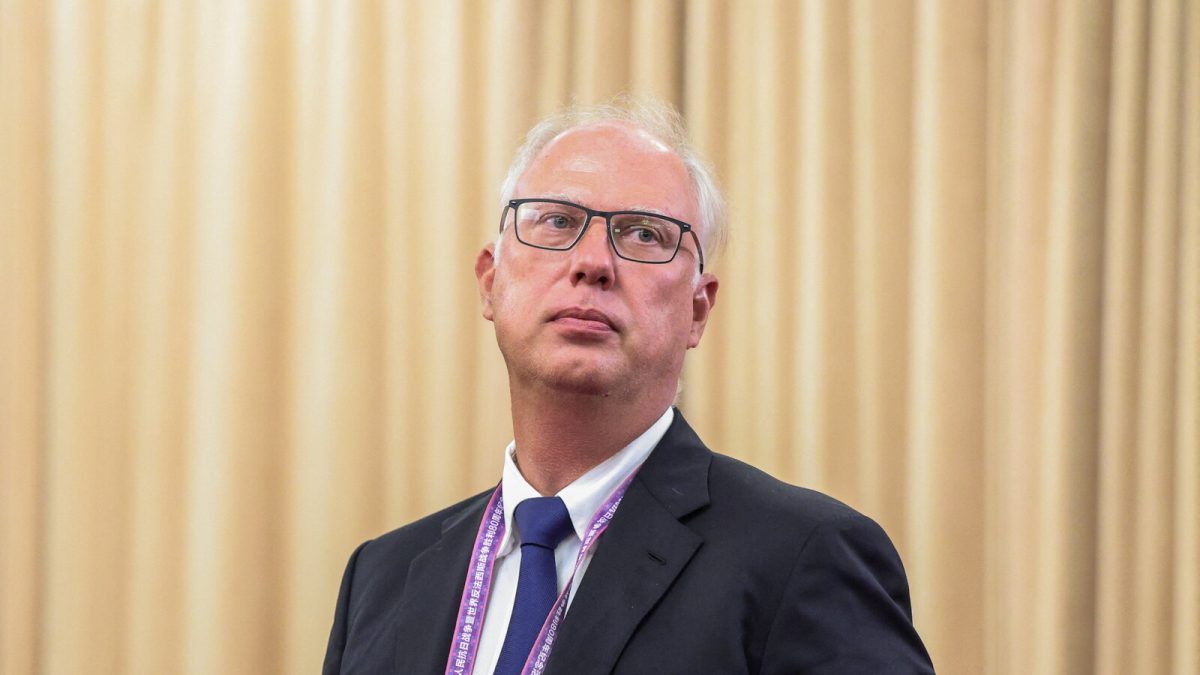
"Nato is committed to defending member states from belligerent non-member states – but not from each other, not from other member states, like Turkey or, now, the... United States! So, Denmark welcome to the club – and remember your governments also argued that it is not Nato's job to defend any member-state from another Nato member-state," wrote former Greek Finance Minister and economist Yanis Varoufakis on X.
The Nato alliance was formed in 1949 to protect member states from external threats, especially from the USSR. Article 5 of Nato's rules says an attack on one member is an attack on all. But what if the attack comes from inside the group? And that too from the strongest Nato member that essentially runs the grouping? Nato's charter is silent on this.
Trump has been on a spree of rage-baiting both the European Union (EU) and Nato countries with repeated statements about taking control of Greenland, the massive Arctic island that officially belongs to Denmark. If the US were to try to seize Greenland by force, it could effectively be a death knell for Nato, several European experts and leaders have opined.
European countries have backed Denmark and committed troops for a reconnaissance mission that is largely symbolic, with nations like the UK and Norway, sending just one and two soldiers each. This has enraged Trump, who has imposed a 10% tariff on the European nations that have stood by Denmark.
WHAT WAS THE CYPRUS CRISIS BETWEEN GREECE AND TURKEY?
The tussle between Denmark and the US gives a sense of deja vu from 1974 when Greece and Turkey were at loggerheads over the Mediterranean island of Cyprus.
Both Greece and Turkey joined Nato in 1952 to strengthen the group's south side against communism. But they had old rivalries, especially over Cyprus.
Cyprus got freedom from Britain in 1960. It had mostly Greek people but also Turks. The new rules gave Greece, Turkey, and Britain rights to step in if needed.
In 1974, a group in Cyprus, backed by Greece's military rulers, tried to join the island with Greece. This coup removed President Makarios. Turkey saw this as a threat to Turkish Cypriots and invaded on July 20, 1974.
The first invasion took some areas to protect Turkish people.
Talks between Greece and Turkey were initiated following the first invasion by the Turks, but it failed, and Turkey invaded again in August.
This time, Turkey took about 36% of the island. This split Cyprus into Greek and Turkish parts, which lasts today.
The dispute resulted in thousands of deaths.
WHEN NATO DIDN'T INTERVENE IN GREECE-TURKEY CONFLICT
Greece was angry. It wanted Nato to stop Turkey, a fellow member. But Nato did nothing.
The US, the big power in Nato, and now the biggest, tried to talk but did not force Turkey out. Following this, Greece pulled out of Nato's military part in protest from 1974 to 1980. It felt the alliance failed to protect it from another member.
This showed Nato's weak point long back in the 1970s itself. It was an alliance meant for defence against external threats, not fights between allies.
The charter does not cover attacks from within. Hence, in Cyprus, Nato stayed out, leaving Greece and Turkey to sort it themselves. The US helped with talks, but no military help came for Greece.
Now, Denmark faces something similar.
If the US moves on Greenland, Nato, though deployed, might not help full-fledged.
It must be noted that in the Cyprus conflict, Greece spent more on weapons because it feared Turkey, even in Nato. But the case is not so with Denmark. Compared to the US, which spent literally over a trillion on defence budget, Denmark reportedly spent merely around $10 billion in 2025.
The situation is much like a family where brothers fight, and sometimes, the elders stay out of it. Though the "elder" here is the US itself.
Nato survived the issue in 1974, but the rift between the two member states still remains.
When Greece left, it left the alliance weaker. But Greece eventually came back, and Nato's focus shifted on bigger threats.
Today, however, if Trump acts the way he's claiming he would, it could split the group badly.
Greenland's people, mostly Inuit, want to decide their future. They have some self-rule but Denmark handles defence and foreign matters.
The EU has backed Denmark, but Nato has no clear rule for this issue. Its Article 4 lets members talk about threats, but Article 5 is for armed attacks from outside.
In Nato, friends can become foes, and then, you stand alone.
- Ends
Published By:
Anand Singh
Published On:
Jan 20, 2026
Tune In