1 hour ago
Iran has accused the United States of violating their fragile ceasefire understanding after American forces carried out fresh military strikes on targets along the country's southern coast. In a strongly worded statement, Tehran said that Washington had broken commitments made under the interim agreement and warned that it was prepared to respond to any further attacks.
The statement from Iran's Foreign Ministry came hours after the US launched one of its largest military operations against Iranian targets in recent weeks. According to the US Central Command (CENTCOM), more than 80 targets were struck, including air defence systems, coastal radar facilities, command-and-control centres and around 60 vessels belonging to the Islamic Revolutionary Guard Corps (IRGC) operating near the Strait of Hormuz.
Tehran also criticised the US Treasury's decision to revoke a 60-day licence that had allowed Iran to sell oil on international markets using US dollars. Iranian officials said Washington had committed to maintaining the arrangement under the interim agreement and accused the Trump administration of failing to honour its obligations.
The ministry said the combination of military action and economic measures amounted to a violation of the understandings governing navigation and security in the Strait of Hormuz.
Iran further argued that continuing Israeli military operations in Lebanon had weakened major elements of the ceasefire framework, placing responsibility for the latest escalation on Washington and Israel.
US SAYS STRIKES WERE RESPONSE TO HORMUZ ATTACKS
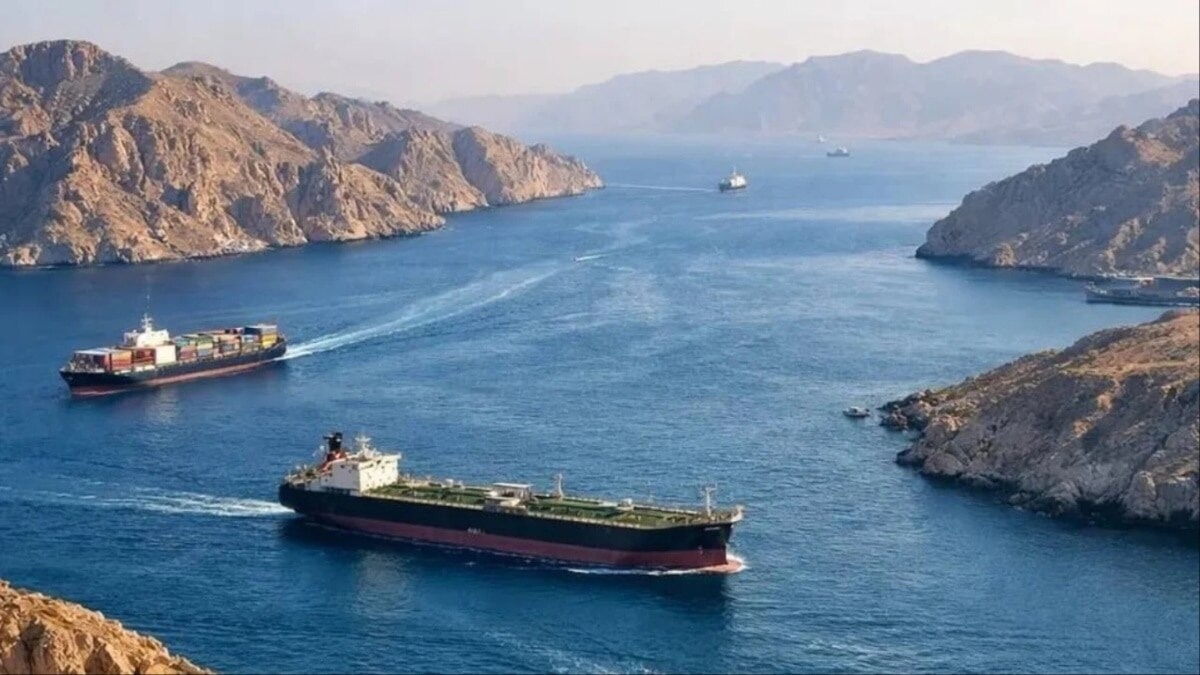
The US has defended the operation, saying it was launched in response to Iranian attacks on three commercial oil tankers transiting the Strait of Hormuz.
CENTCOM said the strikes were intended to reduce Iran's ability to threaten one of the world's most important maritime trade routes. Around one-fifth of global oil supplies pass through the narrow waterway, making any disruption a major concern for international energy markets.
"Centcom forces remain postured and prepared to hold Iran accountable when the agreement is not adhered to or obeyed," the military command said.
Iranian state media reported multiple explosions in Bandar Abbas, Sirik and Qeshm Island following the strikes. US President Donald Trump also shared a video on social media that was reported to show explosions in Bandar Abbas.
IRAN ISSUES WARNING TO NEIGHBOURS
In its statement, Iran directed neighbouring countries along the southern coast of the Persian Gulf not to allow the US or its allies to use their territory or military facilities for operations against Iran.
The Foreign Ministry warned that any government assisting attacks on Iranian territory would be viewed as participating in the aggression. It said Iran reserved the right to defend its sovereignty and national security under Article 51 of the United Nations Charter.
It also stressed that Iran's armed forces had repeatedly demonstrated their readiness to respond to military threats and warned they "will not hesitate to target both the source and the perpetrators of any act of aggression."
Following the strikes, Iranian President Masoud Pezeshkian reportedly cut short his visit to Iraq and returned to Iran.
TRUMP SAYS INTERIM DEAL IS 'OVER'
The latest exchange has cast fresh doubt over the future of the interim peace agreement signed just weeks ago.
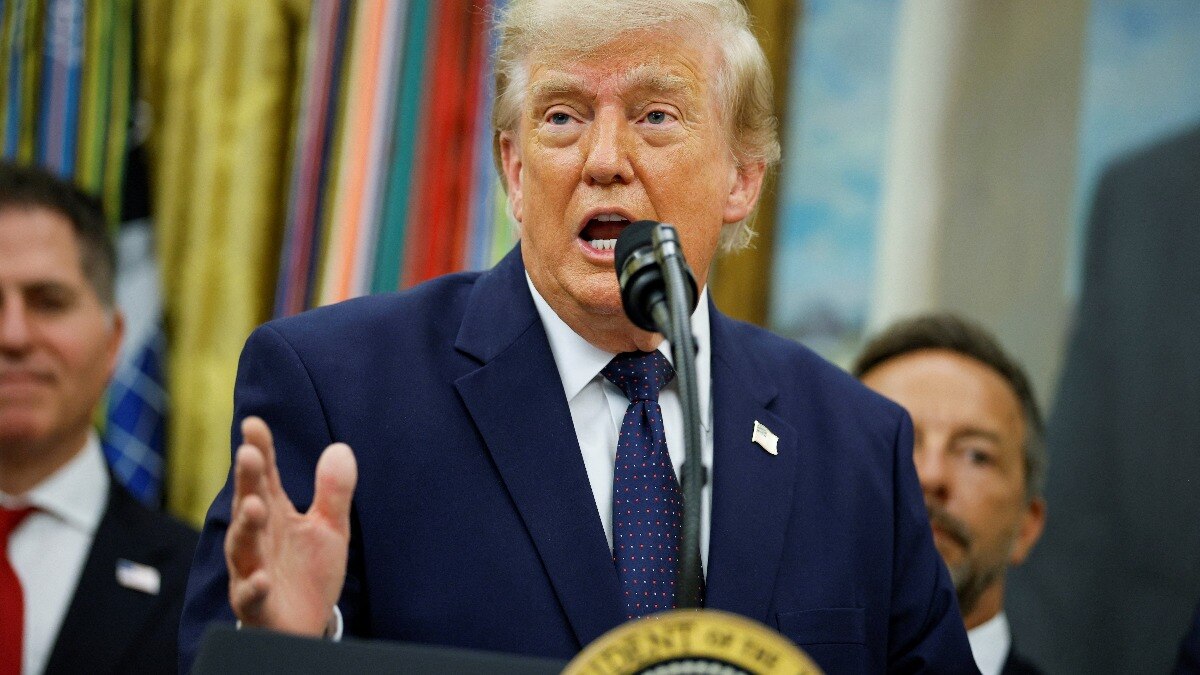
Speaking during a NATO summit in Turkey, Trump said that the memorandum of understanding with Iran had effectively collapsed.
"For me, the MoU is over. I don't want to deal with them anymore," Trump said.
The US President also launched a scathing attack on Iran's leadership, calling them "scum", "sick people" and "liars", while insisting he no longer believed negotiations were worthwhile.
His remarks rattled financial markets, with oil prices climbing more than 3 per cent amid fears that fighting around the Strait of Hormuz could further disrupt global energy supplies.
The renewed military confrontation also comes at a delicate moment. Talks on a permanent peace agreement had been paused as Iran observed funeral ceremonies for its late Supreme Leader Ayatollah Ali Khamenei. With both sides now exchanging military strikes and increasingly hostile rhetoric, the prospects for reviving negotiations appear more uncertain than ever.
- Ends
Published By:
Satyam Singh
Published On:
Jul 8, 2026 18:25 IST