1 hour ago
Iran and the United States exchanged fresh strikes as missiles triggered alarms in Jordan's Aqaba. The widening conflict is straining Pakistan-led diplomacy and threatening vital oil shipping routes.

Stock photo used for illustration

Dubai,UPDATED: Jul 22, 2026 14:30 IST
Attacks across the Middle East intensified on Wednesday, overshadowing diplomatic efforts in Pakistan to rescue an interim ceasefire deal that has collapsed. Missile alert sirens sounded in Jordan's port city of Aqaba, while the United States and Iran continued to exchange strikes.
Jordan's military said it intercepted four missiles in the Iranian attack and that two others fell in "uninhabited areas". At the same time, Washington said it had completed an 11th night of strikes on Iran, even as Tehran sought to revive diplomacy through talks in Pakistan.
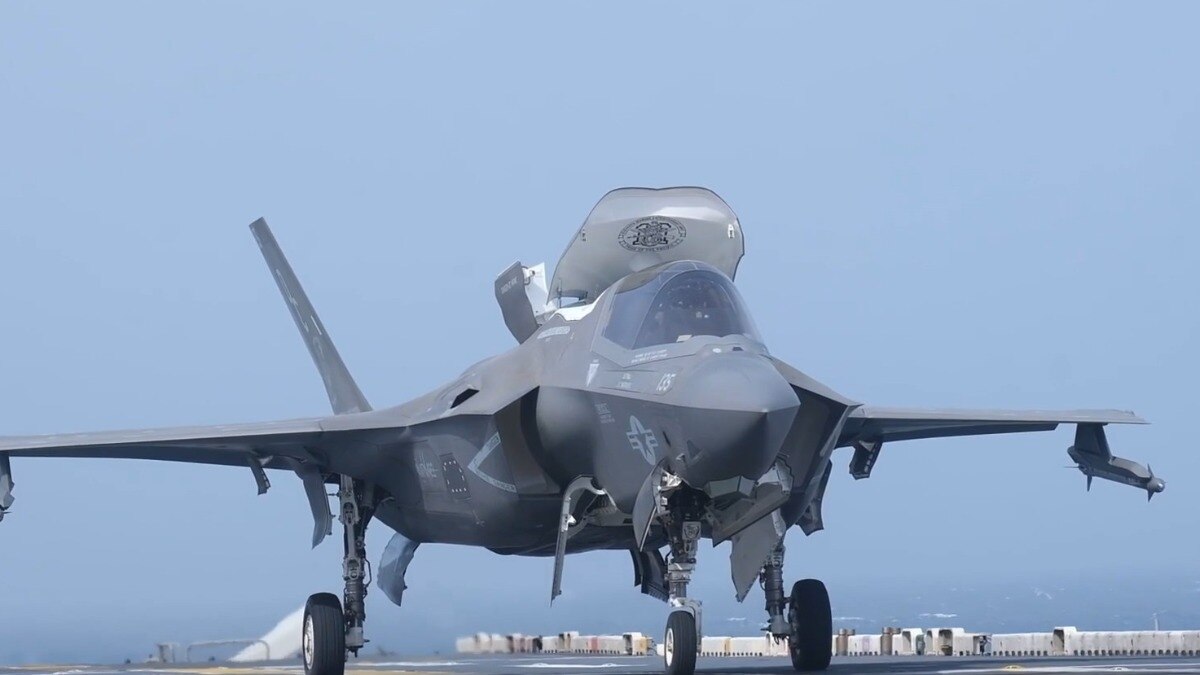
Plumes of smoke were seen over Aqaba in videos filmed by people in the nearby Israeli city of Eilat. In Iran, air defences were activated near the capital, Tehran. Iran's state-run IRNA news agency reported explosions in Bushehr, East Azerbaijan, Hamadan, Hormozgan, Khuzestan, and Sistan and Baluchistan provinces. The US said its targets included aircraft hangars and drone storage sites.
The latest developments came after Iran attacked a tanker in the strait on Tuesday, forcing the crew to abandon the ship. Iran also continued attacks against US allies in the region, launching strikes on Bahrain, Jordan and Kuwait.
Before the latest strikes, Iranian Interior Minister Eskandar Momeni visited Pakistan, which has been a key mediator in the conflict, to seek a revival of diplomacy. But it remained unclear what new arrangement could be reached to end the war, which has increasingly turned into a battle for control of the Strait of Hormuz, a waterway vital to global energy supplies.
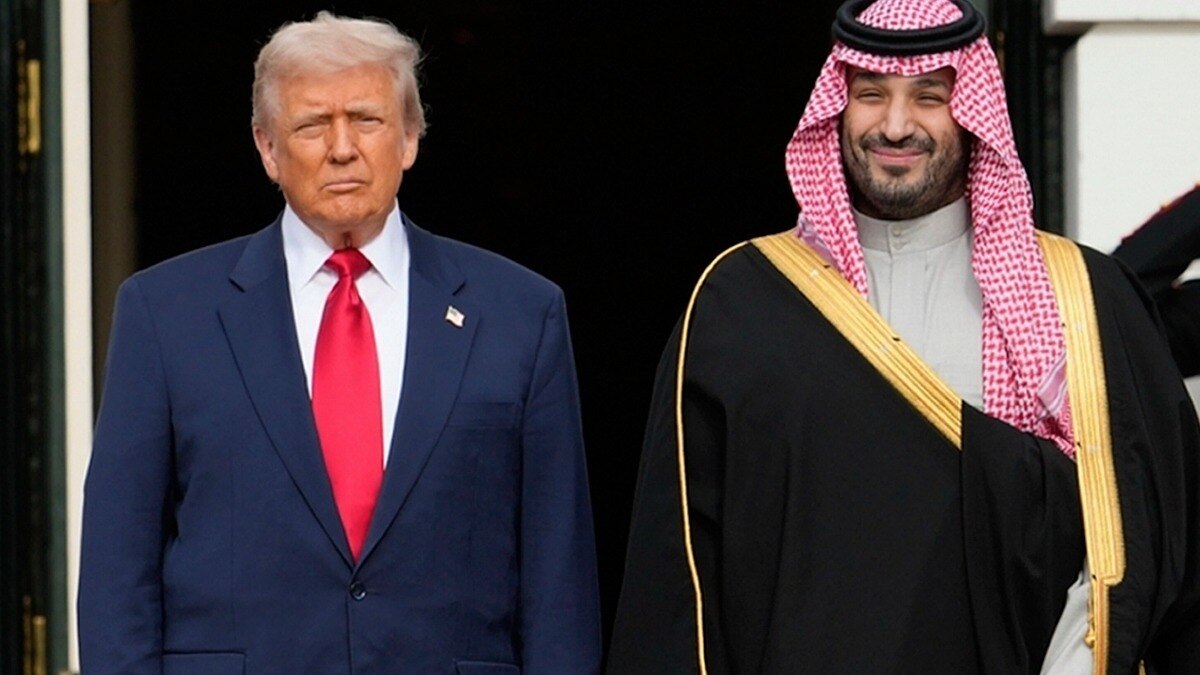
Speaking from the Oval Office on Tuesday, Trump gave a bleak assessment of possible talks, saying the US had "no interest in meeting". He also signalled that US forces could soon target an area of Iran close to one of its main uranium enrichment sites.
A day earlier, Yemen's Iran-backed Houthi rebels opened a new front against Saudi Arabia by declaring a naval blockade of the kingdom, threatening the flow of global oil supplies and trade. With the Strait of Hormuz blocked, Saudi Arabia has been relying on a pipeline to the Red Sea to move millions of barrels of oil to the market.
In summary, the conflict widened further on Wednesday, with fresh missile attacks, continued US strikes on Iran, and regional threats to shipping and oil supplies, while efforts in Pakistan to restore diplomacy showed no clear breakthrough.
With PTI Inputs
- Ends
Published By:
India Today Web Desk
Published On:
Jul 22, 2026 14:30 IST