7 hours ago
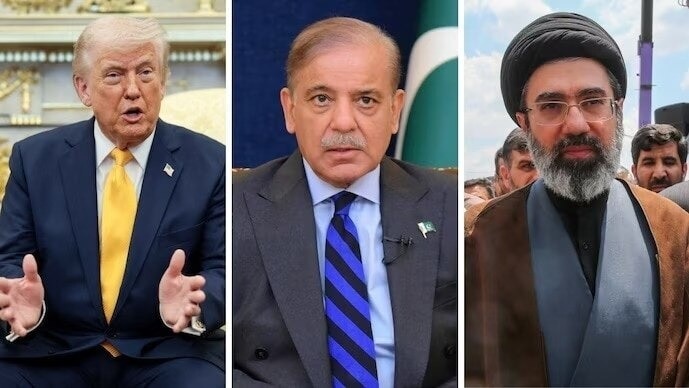
A potential peace deal between the United States and Iran depends on the Trump administration agreeing to release USD 24 billion in frozen Iranian assets, a senior Iranian official has said, also warning that Washington would "enter into a dark corridor" if it resumes military action against Tehran.
"If he (Trump) wants to reach an agreement with Iran, this USD 24 billion is a test of trust that Iran wants to have with Trump. This is a test that America must pass and the path will be opened," Mohsen Rezaei, a military adviser to Supreme Leader Ayatollah Mojtaba Khamenei, told CNN in an interview, asserting, "This is our own money, not America’s money."
He added, "The negotiations are at a deadlock and Trump must break this deadlock" and "The ball is in Trump's court".
As part of its peace deal to end the war in West Asia, Tehran has demanded the release of USD 12 billion in frozen assets immediately after signing an interim agreement with the Trump administration, with another USD 12 billion to be released at a later stage.
US officials are reportedly wary of unfreezing Iranian funds at this point, fearing it could weaken Washington’s leverage over Tehran, according to CNN. Trump has also sought an agreement that appears significantly stronger than the 2015 Iran nuclear deal and has repeatedly criticised former President Barack Obama’s administration for providing Iran financial compensation, referring to it as handing over "pallets of cash".
While there is no confirmed official figure for the total amount of frozen Iranian assets worldwide, estimates in media reports have ranged from USD 100 billion to more than USD 120 billion.
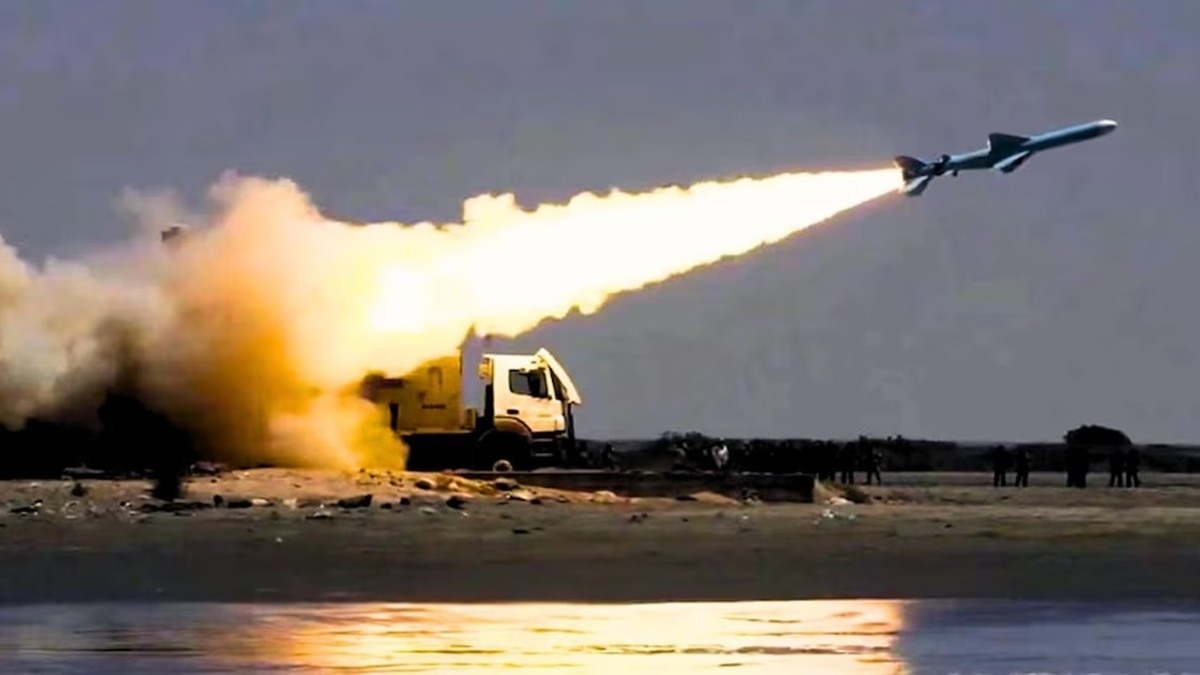
Rezaei also warned against any return to military conflict, saying Iran would expand the scope of war beyond the Persian Gulf if the United States resumed attacks.
He said Tehran could extend military operations from the Strait of Hormuz to the Indian Ocean, the Bab al-Mandab Strait, the Red Sea and the Mediterranean Sea.
"We will give another dimension to the war by attacking these other American bases that we have been attacking so far," he said. Despite the warning, Rezaei said "the possibility of war is low."
He also dismissed the possibility of a meeting between Trump and Khamenei, saying negotiations remained in an early phase and accusing the US president of bringing the talks to a standstill.
"This will not happen," he said when asked about a possible meeting between the two leaders.
Trump had earlier said he and Khamenei "seem to be getting along well" and that he would be "honoured" to meet the Iranian leader.
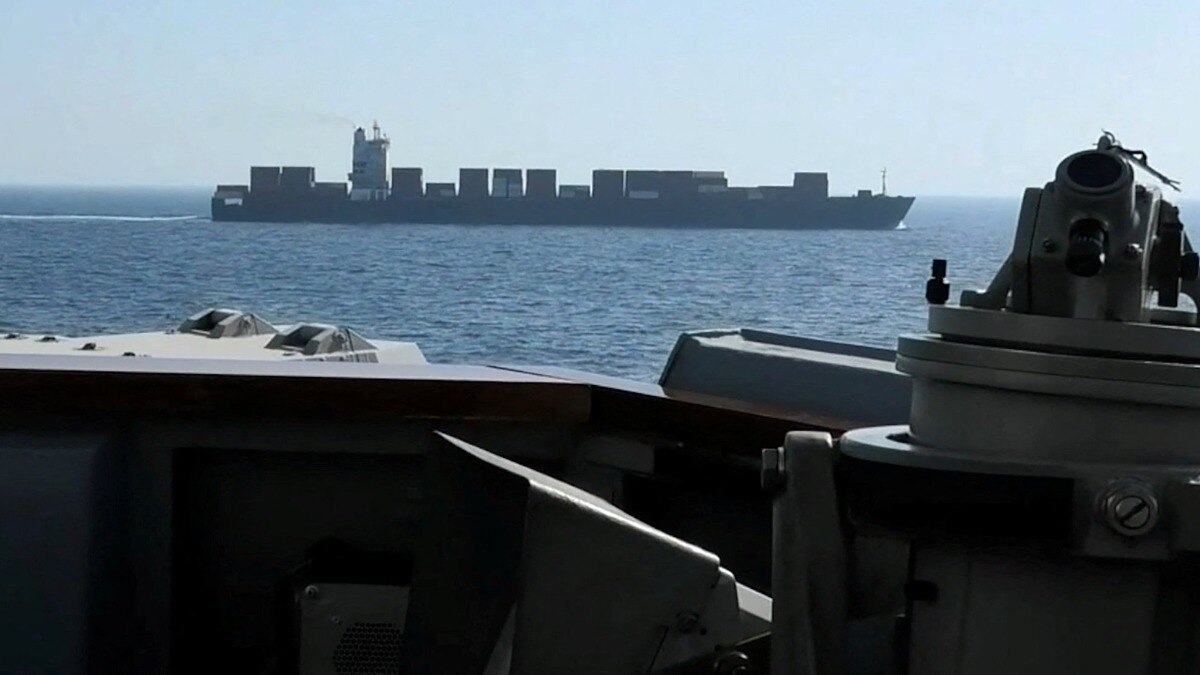
Rezaei also reiterated Iran’s claim regarding sovereignty over the Strait of Hormuz, one of the world’s most critical shipping lanes through which nearly one-fifth of global oil and liquefied natural gas supplies passed before the war.
He said Iran and Oman jointly held sovereignty over the waterway and would manage it together. While rejecting the idea that Iran would impose a toll on ships passing through the strait, he said Tehran would charge a maintenance fee, arguing that Iran should not bear the management costs alone.
A veteran figure within Iran’s security establishment, Rezaei served as commander of the Islamic Revolutionary Guard Corps (IRGC) from 1981 to 1997 after fighting in the Iran-Iraq War. He later joined the Expediency Council, which advises the supreme leader, and also served as vice president under former President Ebrahim Raisi. Rezaei contested Iran’s presidential election four times but was unsuccessful each time.
- Ends
Published On:
Jun 6, 2026 17:57 IST