7 hours ago
Defense Secretary Pete Hegseth is believed to have told Trump that attacking roadways could hamper Iran's ability to use them to move missiles and materials for making drones, while a senior White House official reportedly told the US president to consider targeting electric plants to complicate Tehran's path to acquiring a nuclear device.

Washington DC,UPDATED: Apr 5, 2026 08:24 IST
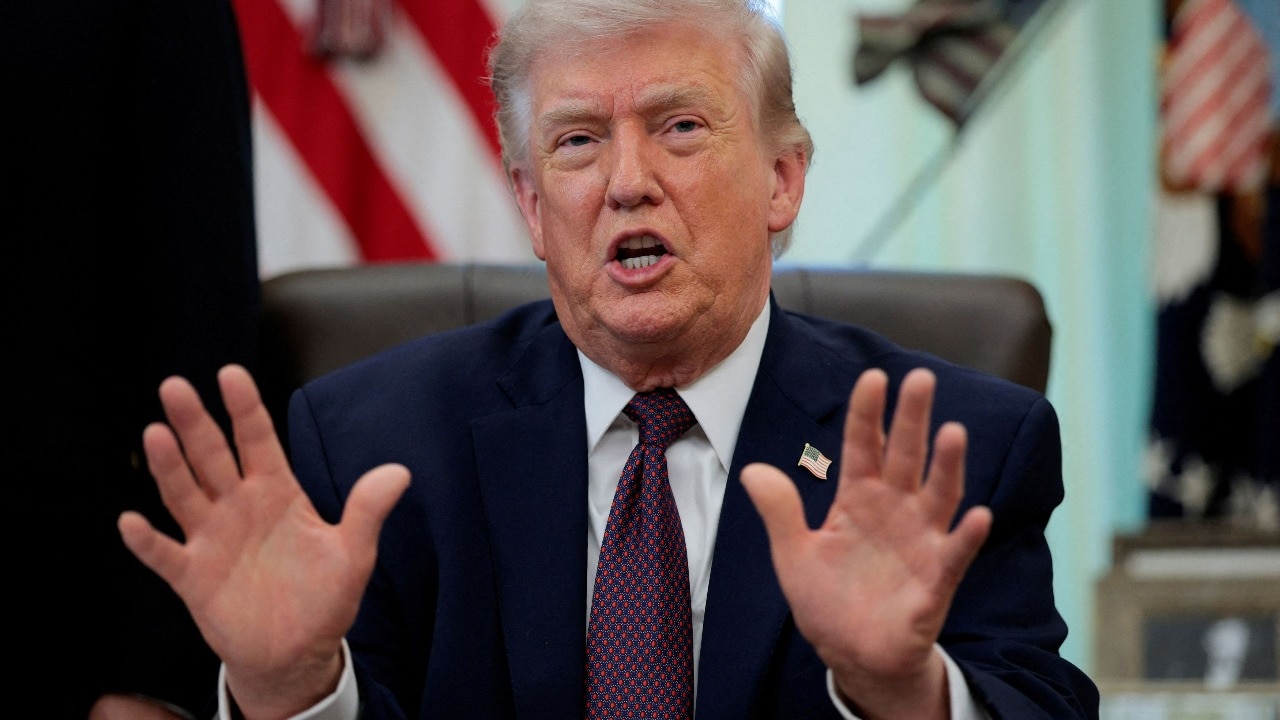
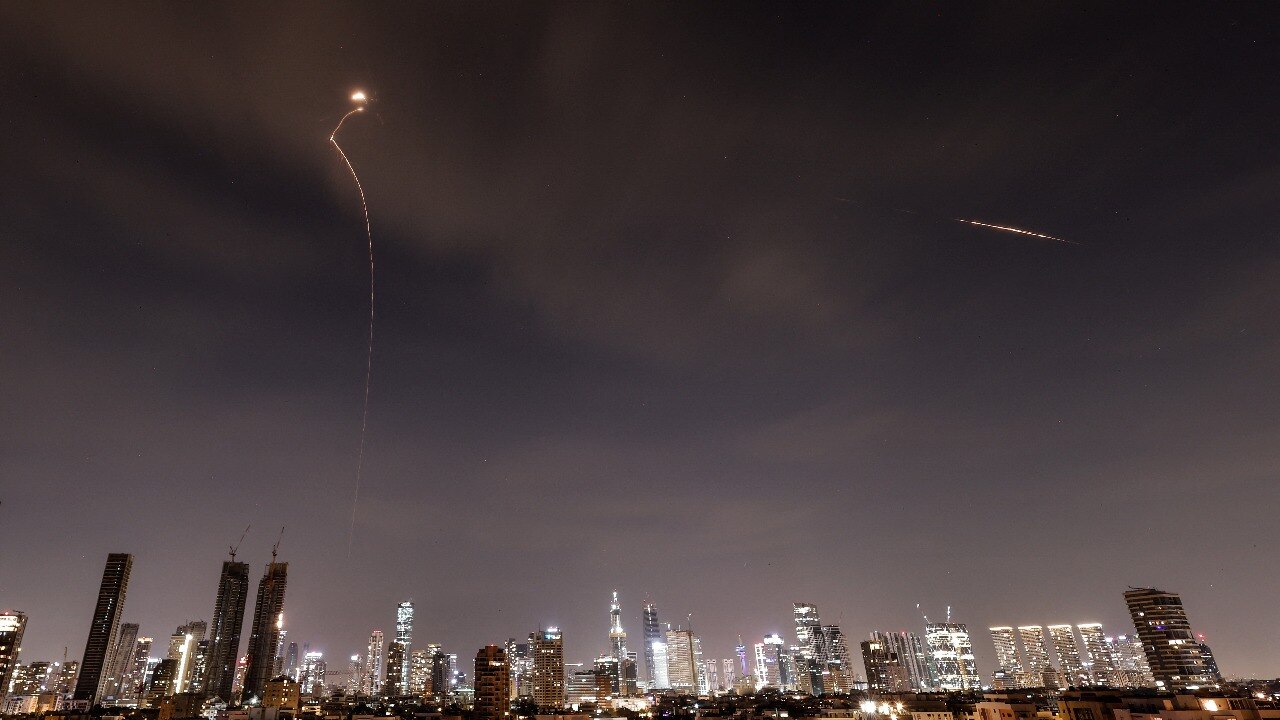
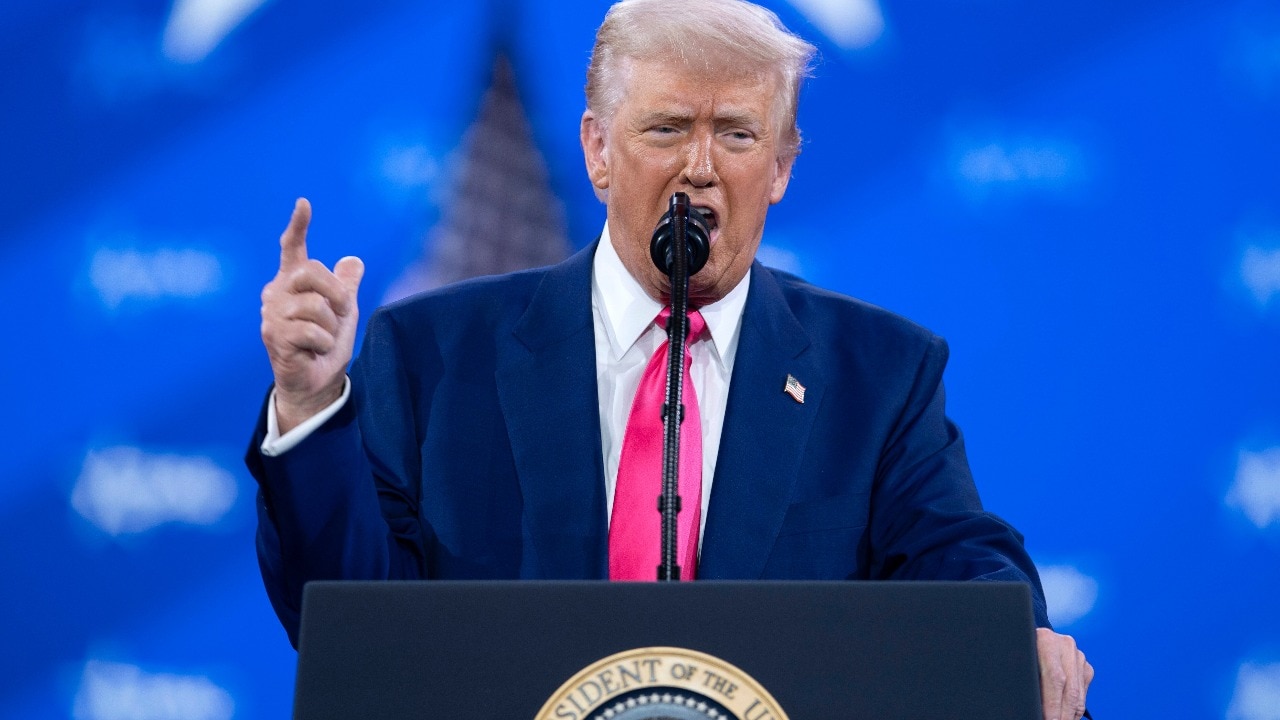
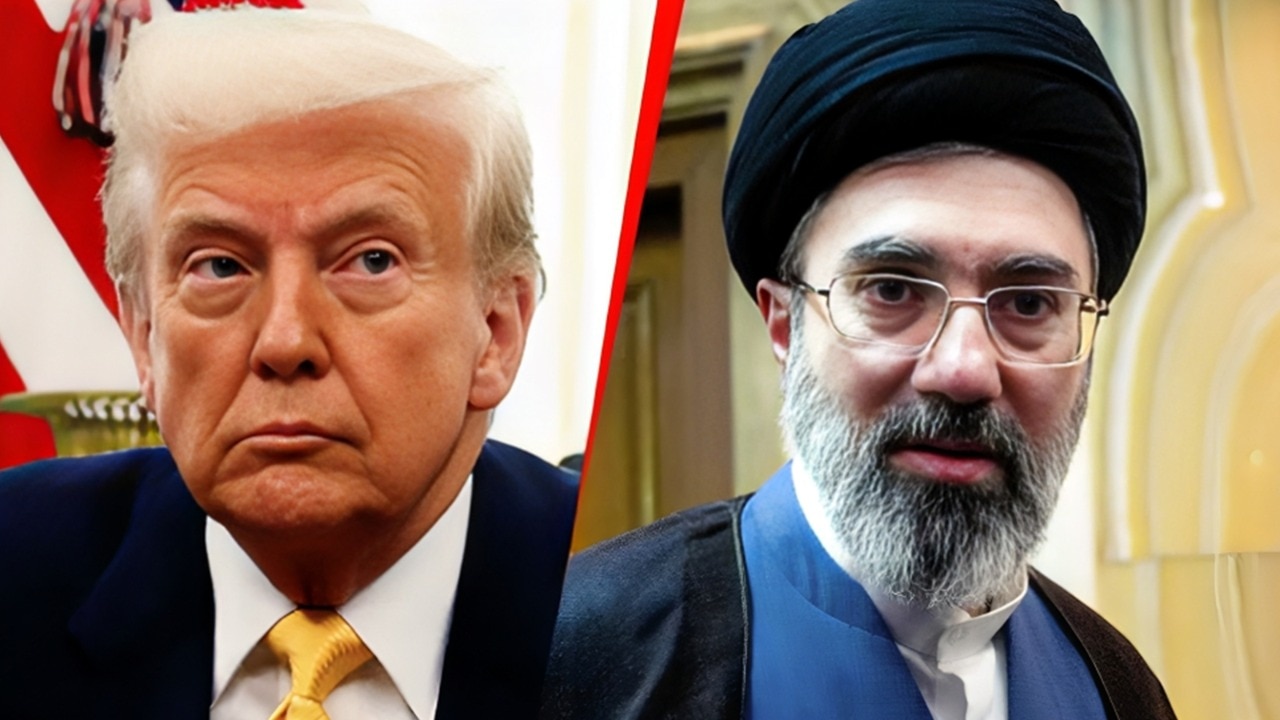
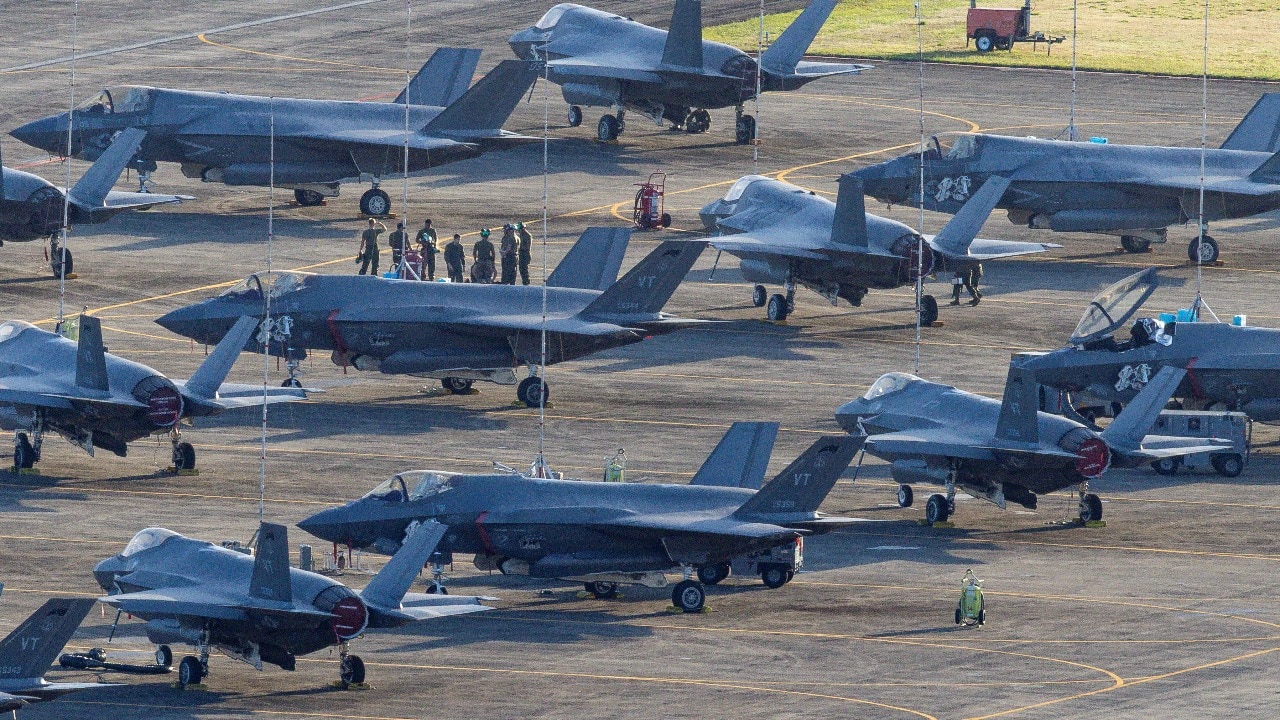
US President Donald Trump's threat to bomb Iran “back to the stone ages" if a deal is not reached by April 6 (Monday) could mean an all-out attack on the country's power plants and bridges, dramatically escalating the scope of war in the Middle East.
According to a Wall Street Journal report, top aides of Trump have convinced him to strike Iran's power plants and key bridges to cripple the country's military capabilities.
Defense Secretary Pete Hegseth is believed to have told Trump that attacking roadways could hamper Iran’s ability to use them to move missiles and materials for making drones, while a senior White House official reportedly told the US president to consider targeting electric plants to complicate Tehran’s path to acquiring a nuclear device.
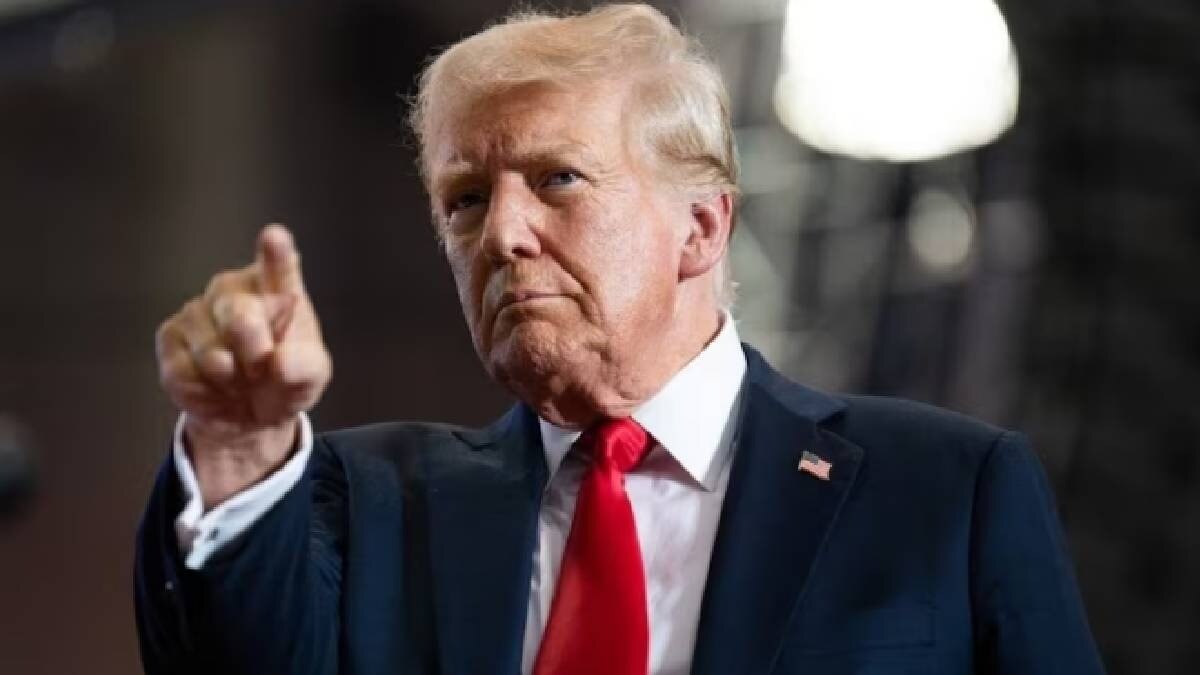
Trump has already warned of severe attacks in the coming days if there is no deal with Tehran, specifically saying that bridges and electric power plants would be legitimate targets of the US.
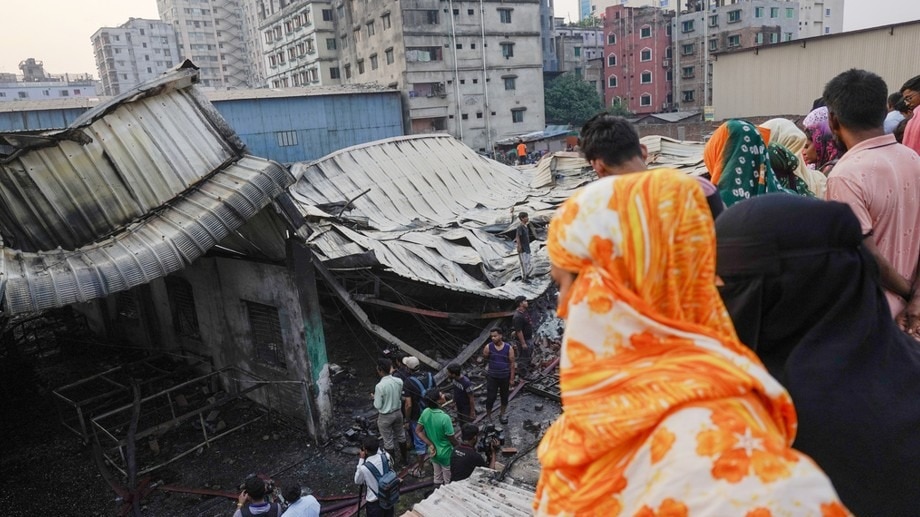
In fact, his warning came hours after the US struck an Iranian bridge connecting Tehran to the city of Karaj on Thursday. At least 13 people were killed in the attack, with US officials claiming that the structure could be used to transport missiles, drones and other military material.
“The bombing will continue to degrade not just the regime, but the nation, until Iran itself starts to come apart,” Gregory Brew, a senior analyst on Iran at the Eurasia Group told the publication.
TARGETING CIVILIAN INFRA COULD BE COUNTER-PRODUCTIVE
However, the plan to attack bridges and power plants presents legal and humanitarian challenges, which could complicate matters for the White House.
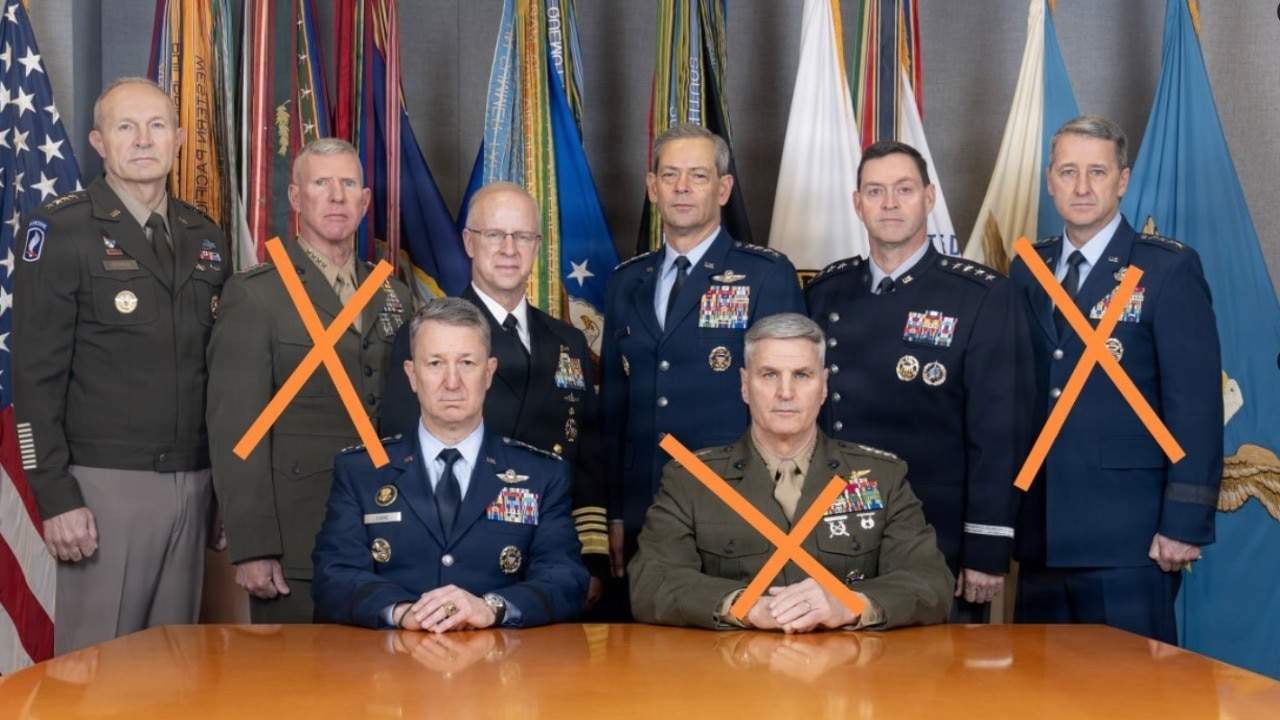
Several current and former military officials, as per the WSJ report, have cautioned that destroying Iran's infrastructure to pressurise the country to come to the negotiation table could prove counter-productive.
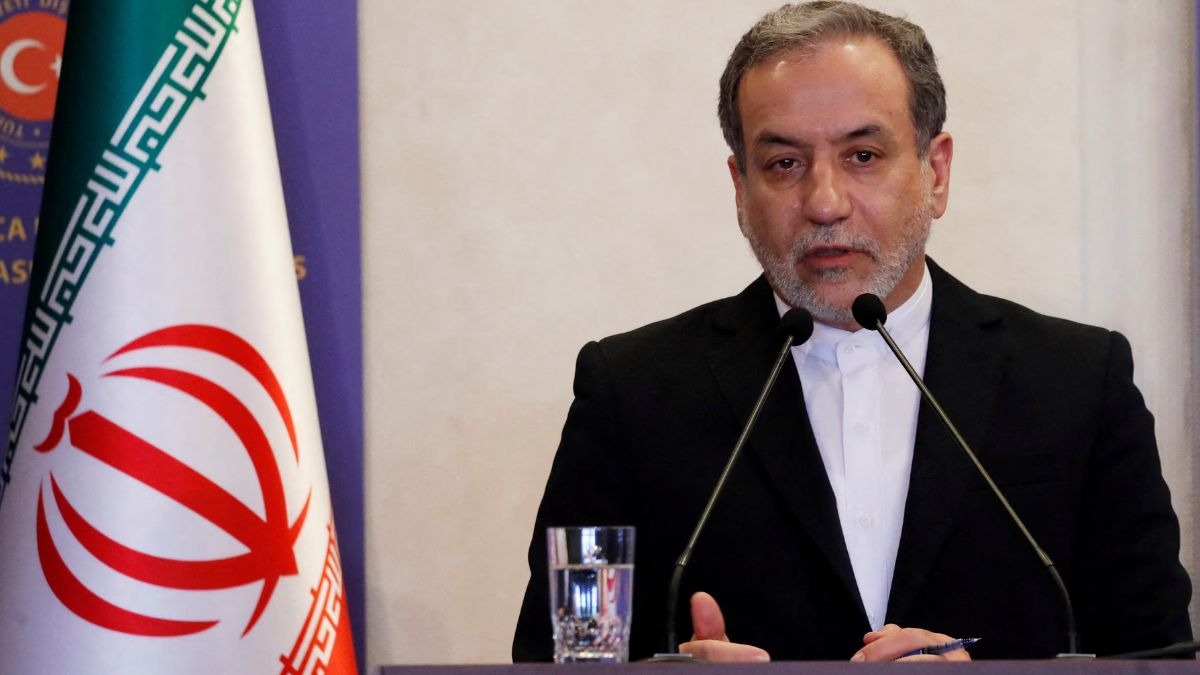
According to media reports, Trump’s threat to strike Iran’s power plants could spur Tehran to attack the energy infrastructure of Gulf nations. Moreover, Iranian media on Friday listed key Gulf bridges as potential targets after US-Israeli strikes destroyed the bridge in Karaj.
In fact, Iran has been targeting energy infrastructure in the Gulf since the conflict began on February 28, when US-Israeli airstrikes killed the former Iranian Supreme Leader, Ayatollah Ali Khamenei.
The US targeting bridges and power plants is also likely to come under scrutiny following Secretary of State Marco Rubio statement that the Iranians are no longer enriching uranium. US experts also fear that targeting civilian infrastructure could alienate the Iranian people, many of whom had protested against the regime a few months back.
Sarah Yager of Human Rights Watch told the Wall Street Journal that Trump’s threat to strike power plants is alarming as they are vital for civilian life. “Even when there may be a military rationale, the law requires extreme caution around places like power plants, water systems & hospitals," she said.
WHAT INTERNATIONAL LAW SAYS
According to the 1949 Geneva Conventions, civilian infrastructure is protected against attacks. Every object that is critical to protecting civilians comes under the umbrella term of 'civilian infrastructure'. These include power grid, water systems, crops, livestock, hospitals, schools, residential areas & transportation networks – all of which are critical to protecting civilians and come under the umbrella term of 'civilian infrastructure'.
Deliberately targeting them constitutes a war crime under international law.
"In no event shall action against these objects be taken which may be expected to leave the civilian population with such inadequate food or water as to cause its starvation or force its movement," states the convention. Additional protocols added to the 1949 Geneva Conventions in 1977 and 2005 put the onus on warring nations to distinguish between "civilian objects" and "military objectives".
However, an exception could be made if "civilian objects" serve "military objectives". According to the Geneva Conventions, some infrastructure owned and used by civilians can count as a military objective.
These "civilian objects", the convention says, must effectively contribute to military action by their nature, location, purpose or usage. Moreover, destroying them or capturing them must "offer a definite military advantage" to the other side.
- Ends
Published By:
Aprameya Rao
Published On:
Apr 5, 2026 08:24 IST
Tune In