1 month ago
Last Updated:January 31, 2026, 18:34 IST
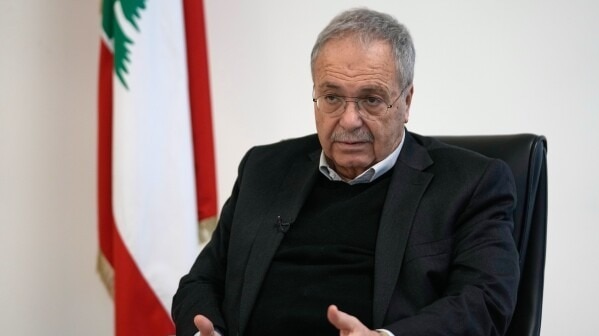
During the interview, Ali Asghar Shafieian also offered a rare inside account of why regime change in Tehran remains largely a Western wish rather than a realistic outcome

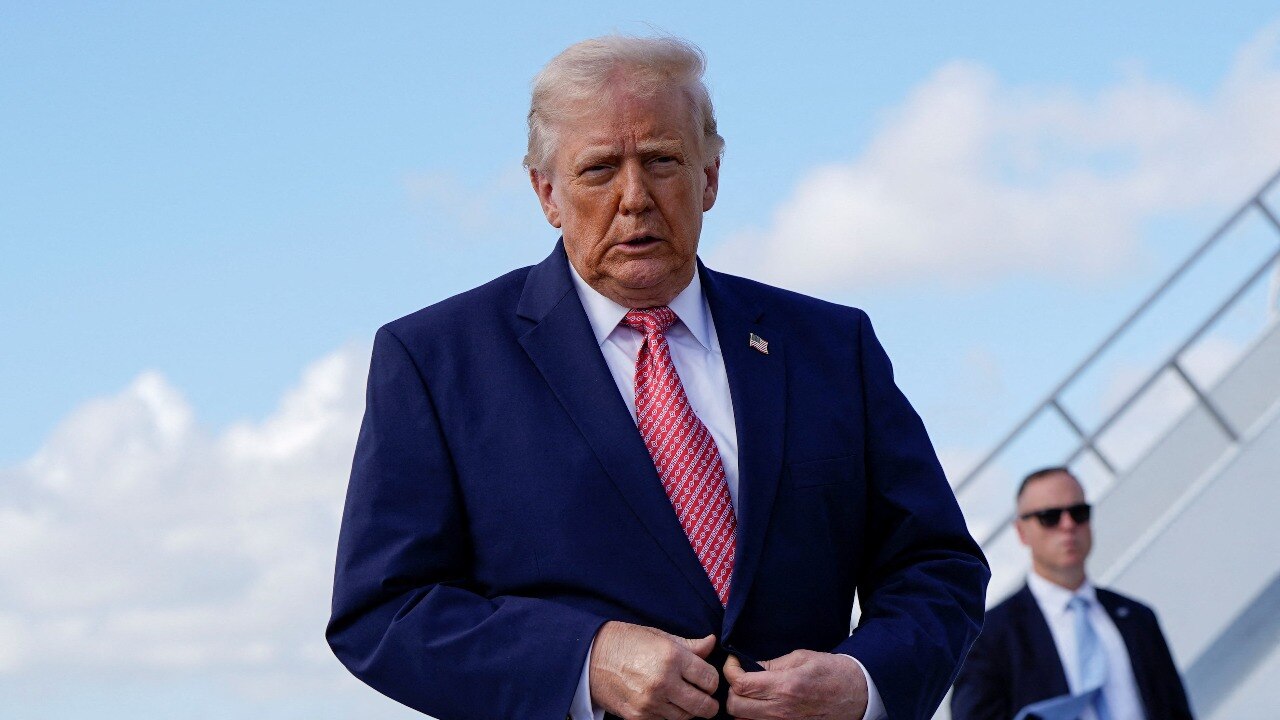
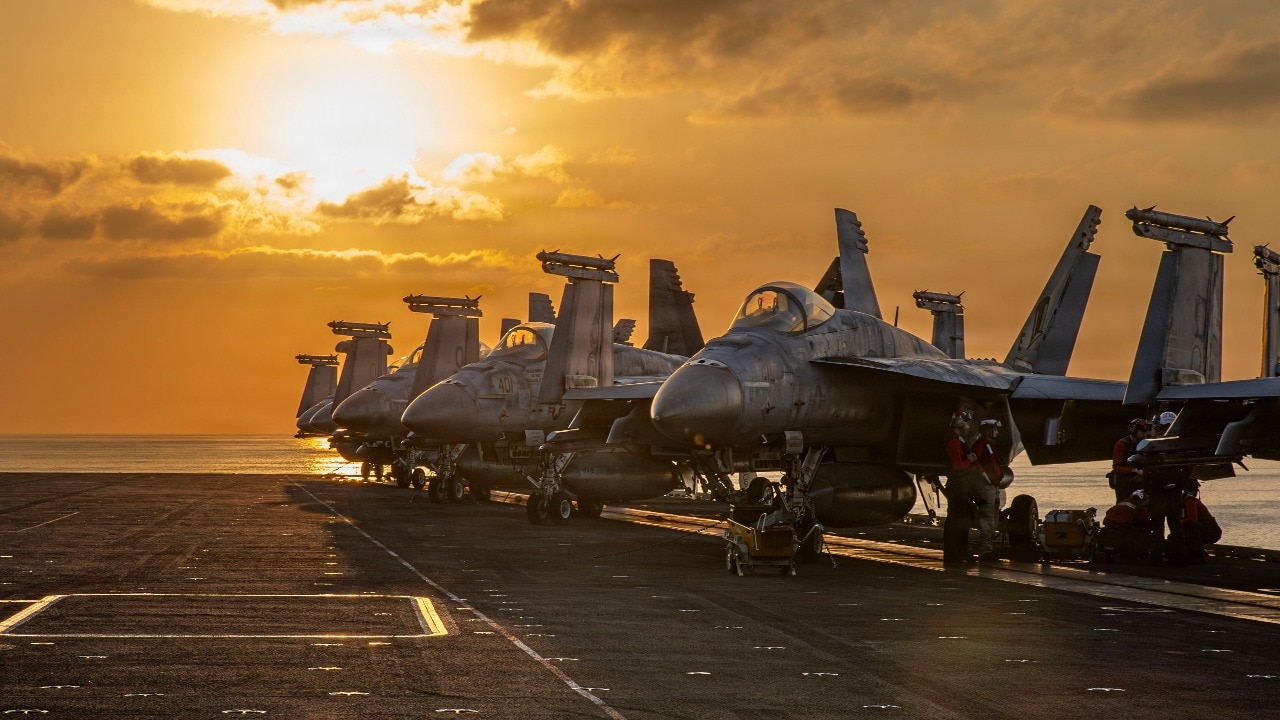
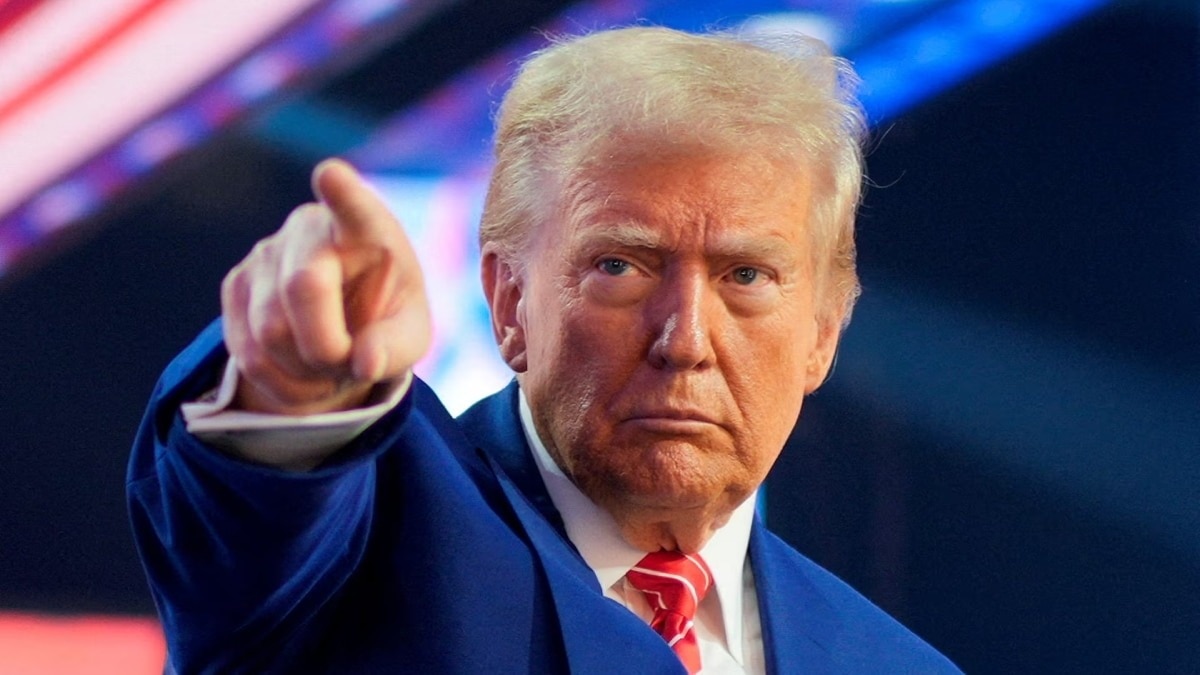
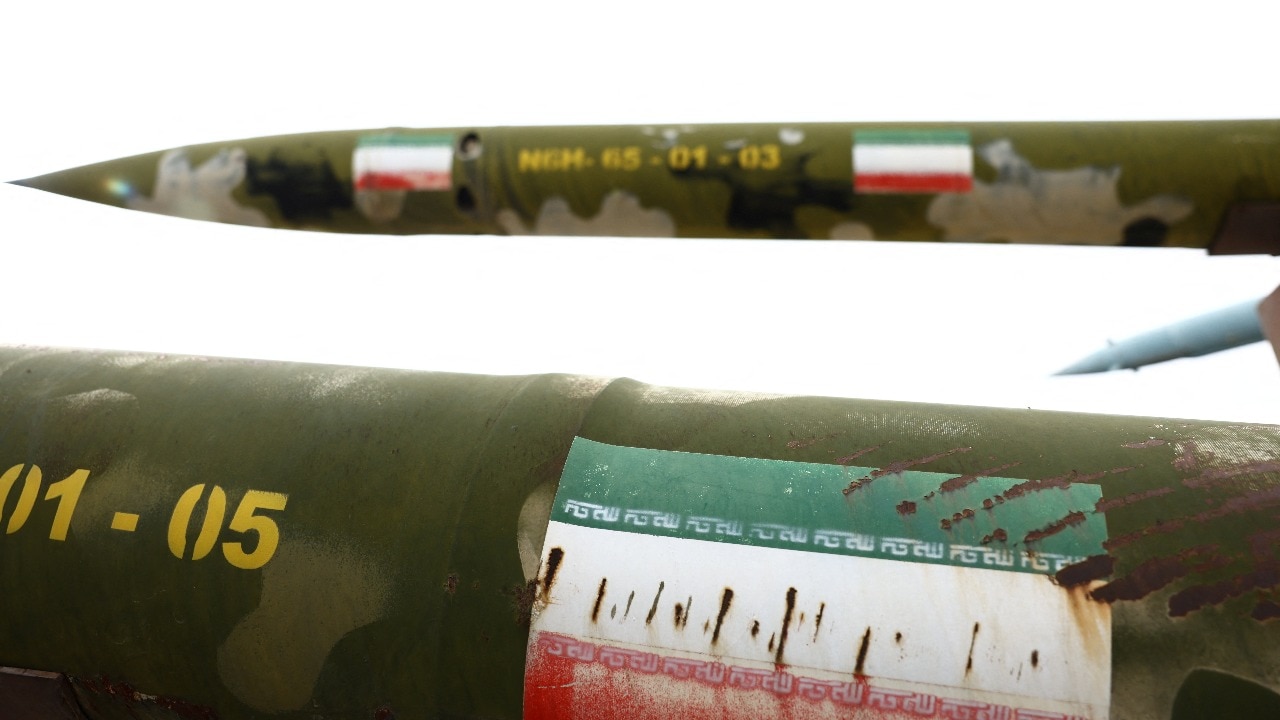
Trump has deployed a US 'armada' towards Iran, renewing warnings against killing protesters or restarting its nuclear programme. File image/Reuters
Since January, Iran has been rocked by widespread protests driven by political discontent, economic hardship, and long-standing social restrictions, marking one of the deadliest periods of internal unrest in recent years. Official figures say more than 3,000 people, including civilians and security personnel, have been killed. The crisis quickly took on an international dimension, with US President Donald Trump and several American lawmakers openly backing the protesters and issuing warnings to Tehran, even hinting at regime change. In response, Iran hardened its rhetoric, warning that any external intervention would be met with force. The situation escalated further as exiled royal figure Reza Pahlavi made high-profile appearances abroad, reinforcing Tehran’s claim that the unrest is being fuelled from outside.
During an exclusive conversation with CNN-News18, Ali Asghar Shafieian, campaign advisor to the Pezeshkian administration and director of Iran’s Ensaf News, pulled back the curtain on how months of unrest had reshaped Iran from within. He highlighted the social aftershocks of the protests, the easing of restrictions under President Masoud Pezeshkian, and an economy buckling under sanctions and internal strain. He addressed claims of US interference, Tehran’s warning that its “hand was on the trigger" when it came to influencing American interests in the region, and growing global anxiety over accelerated uranium enrichment. As tensions mounted, Shafieian also outlined what Tehran sees as the narrow and fragile path towards stability.
Excerpts from the interview:
Protests across Iran have taken a heavy human toll over the past months. What is the current situation on the ground, and how do you assess the impact of economic collapse and social restrictions that many Iranians say they are no longer willing to accept?
Unfortunately, based on official statements, over 3,000 people have lost their lives in the recent incidents, including members of law enforcement. The president has ordered the formation of a fact-finding committee to investigate what exactly happened and establish the facts. At this stage, it is still too early to make a definitive judgment.
At the same time, several social restrictions, including those related to clothing, have been eased since President Pezeshkian took office. Since then, there have been no reports of people being attacked on the streets over the hijab issue. That said, the economic situation remains difficult, and a significant part of the current hardship is the result of ongoing US sanctions.
The Iranian government has repeatedly accused the United States of instigating and fuelling these protests. What concrete evidence does Tehran have to support claims of foreign interference?
President Trump, along with several senior American officials and members of Congress, has repeatedly and openly expressed support for protests in Iran. By publicly promising backing, they have actively encouraged critics and opposition groups. This is not a hidden or disputed claim. It has played out in plain sight through media statements and explicit public warnings issued by the United States.
On the economic front, sanctions and internal pressures have severely affected daily life. What steps has the government taken, so far, to ease economic hardship and address public grievances?
Under sanctions, Iran’s economy and the lives of ordinary Iranians have steadily shrunk. These kinds of restrictions would cripple any country. The impact on the public has been severe. The Pezeshkian government has tried to ease the burden by cutting government costs and pushing economic and administrative reforms, but the scale of the crisis goes far beyond what these measures alone can fix.
Many believe Iran may be heading towards regime change. From your perspective, is such a shift genuinely possible, or is it largely Western wishful thinking?
Many in the West may hope for it, but a change in Iran’s political system remains highly unlikely. The Iranian state is built on a complex and deeply entrenched structure, and even an American intervention or military strike is unlikely to alter that reality. Unlike cases such as Venezuela, where removing Maduro could effectively paralyse the system, Iran operates very differently. A similar outcome here is far less probable.
Tensions between Washington and Tehran are escalating rapidly. With the US openly threatening military action and Iran warning of severe retaliation, how real is the possibility of a direct Iran-US confrontation? Also, how prepared is Iran to respond, and what form could retaliation realistically take?
Iran is prepared to respond, and its finger is firmly on the trigger. But Iran has never initiated an attack, and any action would come only in response to aggression, not as a first strike. There is no illusion that Iran’s military capabilities match those of the United States. Still, Iran possesses significant leverage in the region and has tools that can affect American interests, tools it will use if and when it deems necessary.
The US has cited Iran’s accelerated uranium enrichment as a major concern, claiming that some enriched material may have been relocated ahead of last year’s strikes and that its current whereabouts are unknown. How does Tehran respond to these allegations?
Iran is not seeking to build nuclear weapons and is fully prepared to reassure the United States on this issue through any reasonable agreement. Even if Washington assumes otherwise, Tehran is still willing to accept terms that would put those concerns to rest. If the United States genuinely wants to prevent Iran from developing or possessing nuclear weapons, this, in the current context, is the most workable and realistic option available.
Does Iran view its nuclear programme purely as a sovereign right under international law, or does the leadership acknowledge that transparency concerns have intensified regional and global tensions?
Iran has pursued a peaceful nuclear programme since the previous regime, dating back nearly five decades. From the outset, it has publicly stated that the programme is intended for civilian purposes, particularly electricity generation. Over the years, Iran has accepted international oversight of its nuclear activities and maintains that it opposes all weapons of mass destruction, including nuclear weapons.
How has the ongoing unrest affected public trust in state institutions, particularly among Iran’s youth?
While the unrest has widened the gap between the government and sections of society, it has also made many Iranians more alert to foreign involvement. Open support from US and Israeli officials, along with media linked to those governments, for the protests and even for attacks on state institutions has reinforced the view in Tehran that these events amount to a form of proxy confrontation rather than purely domestic unrest.
Looking ahead, what does the government believe is the path toward stability: political reform, economic restructuring, or resistance against external pressure?
Resisting foreign interference remains a core pillar of Iran’s national security, but at the same time, the government is actively seeking relief from the country’s crippling economic sanctions and has no interest in their continuation. In that sense, the United States risks squandering the opportunity presented by the more moderate Pezeshkian government. Since taking office, President Pezeshkian has pushed through social reforms with tangible results, eased political pressures, and initiated economic changes. However, the pace of those economic reforms has been slowed significantly by the weight of ongoing sanctions.
Handpicked stories, in your inbox
A newsletter with the best of our journalism
First Published:
January 31, 2026, 18:34 IST
News world Iran’s Hand On Trigger To Hit US Interests, Warns Pezeshkian Campaign Advisor | Exclusive
Disclaimer: Comments reflect users’ views, not News18’s. Please keep discussions respectful and constructive. Abusive, defamatory, or illegal comments will be removed. News18 may disable any comment at its discretion. By posting, you agree to our Terms of Use and Privacy Policy.
Read More