1 month ago
Iran's leadership is facing sharp internal divisions as President Masoud Pezeshkian and Speaker Mohammad Bagher Ghalibaf push to remove Foreign Minister Abbas Araghchi, accusing him of sidelining the government and aligning with the Revolutionary Guards during US talks.
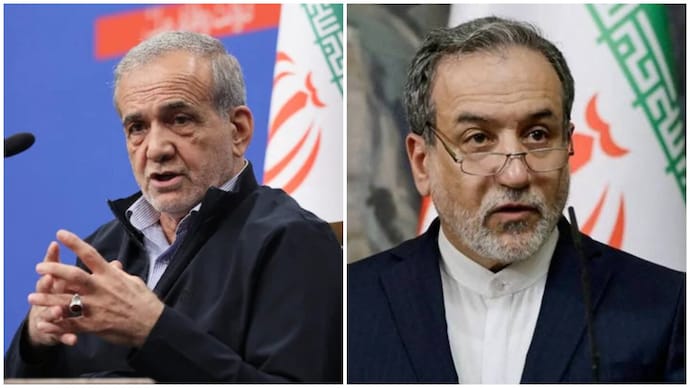
Iran President Masoud Pezeshkian, Foreign Minister Seyed Abbas Araghchi

UPDATED: May 1, 2026 15:00 IST
Iran’s top leadership is facing deep internal rifts as efforts intensify to remove Foreign Minister Abbas Araghchi over his handling of negotiations with the United States, according to Iran .
President Masoud Pezeshkian and Parliament Speaker Mohammad Bagher Ghalibaf are reportedly seeking Araghchi’s ouster, accusing him of aligning too closely with Revolutionary Guard Commander Ahmad Vahidi and sidelining the elected government during critical diplomatic talks.
Citing two sources familiar with the matter, the report claims that Pezeshkian believes Araghchi has acted less like a cabinet minister implementing state policy and more like an aide executing Vahidi’s directives. Over the past two weeks, Araghchi allegedly coordinated directly with Vahidi without informing the president, deepening frustration within the executive leadership.
The situation has triggered strong dissatisfaction in Tehran’s top ranks. According to the sources, Pezeshkian has told close associates that he will dismiss Araghchi if such conduct continues.
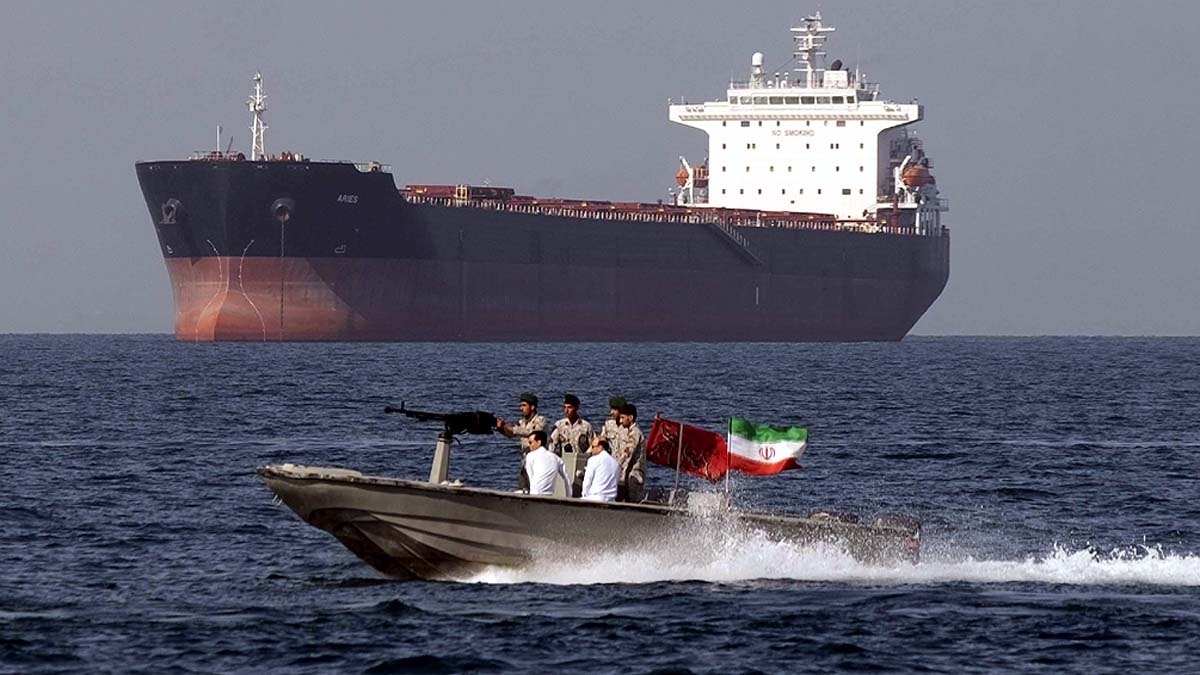
The tensions emerge amid broader disagreements among Iran’s leadership over the direction of negotiations with the United States, particularly on whether Tehran should include its nuclear program in discussions aimed at ending the war and securing a lasting ceasefire.
Divisions within the leadership are not new. On March 28, reports highlighted serious disagreements between Pezeshkian and Vahidi over the handling of the war and its economic and social consequences. Sources indicated that Pezeshkian was increasingly frustrated by what he described as a “complete political deadlock” and by losing authority over key government appointments, especially during wartime.
According to those reports, Vahidi asserted that due to the critical situation, the Revolutionary Guards would directly control key managerial positions until further notice.
Meanwhile, divisions have also surfaced in the legislative arena. On April 27, a group of lawmakers aligned with hardline politician Saeed Jalili refused to sign a parliamentary statement supporting Iran’s negotiating team led by Ghalibaf, even as 261 other MPs backed it. Prominent hardline figures, including Mahmoud Nabavian, Mohammad Taghi Naqadali, Morteza Aghatehrani, Amirhossein Sabeti, Hamid Rasaei, Ruhollah Izadkhah and Meysam Zohourian, withheld their support.
Nabavian had earlier participated in the Iranian delegation led by Ghalibaf during the first round of talks with the United States in Islamabad.
Further complicating the situation, Iran reported that Ghalibaf had resigned as head of the negotiating team after being reprimanded for attempting to include nuclear energy discussions in the talks. Following his departure, Araghchi reportedly sought to take over leadership of the negotiations.
Araghchi later travelled alone to Islamabad on April 24 to deliver Tehran’s proposal to Pakistani officials. According to media reports, the United States president subsequently rejected the proposal.
The developments underscore widening fractures within Iran’s political and military leadership as the country navigates high-stakes negotiations and internal power struggles.
- Ends
Published By:
Akshat Trivedi
Published On:
May 1, 2026 15:00 IST
Tune In