1 hour ago
Iran said its Strait of Hormuz agreement with Oman is in the final drafting stage. The proposed pact could reopen a vital oil route but still depends on US approval and wider de-escalation.

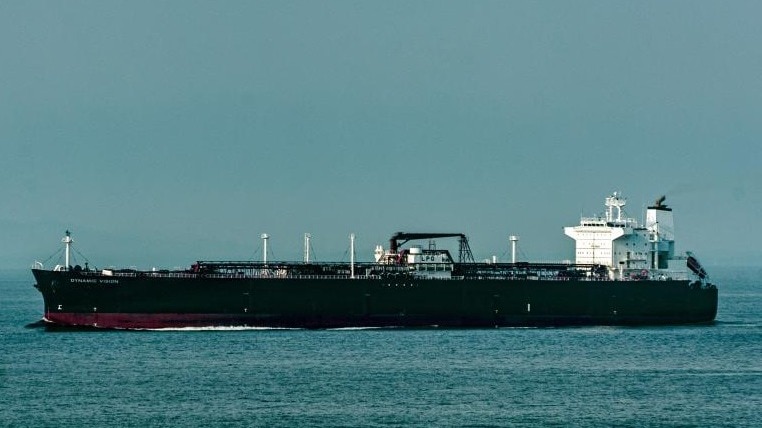
Stock photo used for illustration

Cairo,UPDATED: Aug 6, 2026 02:06 IST
Iran said on Wednesday that an agreement with Oman over the Strait of Hormuz is in the "final stage" of drafting, while US President Donald Trump said a deal to reopen the waterway could be announced this week. If it goes through, the agreement could reopen one of the world’s most important shipping routes, ease pressure on the global economy and help move the war towards an end.
Any deal is likely to depend on the US lifting its blockade on Iran’s ports. Washington has previously ruled out any arrangement that would cement Iran’s control over the strait, while Iran has said it will not accept the waterway returning to its pre-war status as an open international route.
The US, along with Israel, launched the war on February 28, saying its aims included toppling Tehran’s government and ending its nuclear programme. Those goals have not been achieved, and the conflict has since turned into a struggle over the strait, with Iran asserting control and attacks on shipping reducing traffic to a near standstill. The closure of the strait, through which a fifth of the world’s traded oil and natural gas once passed, has pushed up fuel and basic goods prices and unsettled the global economy. Trump is also facing growing pressure to end an unpopular war ahead of US congressional elections.
Iranian Foreign Ministry spokesman Esmail Baghaei said the agreement with Oman was in the "final stage" of drafting and that a joint statement would be issued "if certain parties do not obstruct this process", in an apparent reference to the US.
Two regional officials told The Associated Press that Iranian and Omani negotiators had finalised a draft deal and were waiting for final approval from Iran’s Supreme Leader Ayatollah Mojtaba Khamenei. Khamenei is believed to have been wounded in the opening strikes of the war and has not appeared in public since. The officials said the proposed deal was a temporary solution linked to a June understanding between the US and Iran aimed at ending the fighting and reopening the waterway, which later collapsed. They said the agreement could also open the way for the US and Iran to resume talks on Tehran’s nuclear programme.
The officials had earlier said the arrangement would allow ships to enter the Persian Gulf through an Iranian-controlled route and leave through a route controlled by Oman, with service fees charged for security and protection of the maritime environment. The US has said it strongly opposes any arrangement under which Iran would charge such fees.
Asked on Tuesday evening about an Axios report that an announcement could come on Wednesday, Trump said: "It could happen. Tomorrow or the next day." He added: "A lot of progress has been made." Oil prices initially eased before edging up later, with Brent crude at around USD 80 a barrel on Wednesday, still below the levels seen at the height of the conflict. In recent days, Trump has alternated between threatening massive strikes and backing diplomatic efforts.
Elsewhere in the region, the Iranian-backed Houthi rebels in Yemen said on Wednesday that they had fired ballistic missiles at a Saudi oil tanker in the Red Sea off Yanbu, though they offered no evidence and there was no immediate Saudi comment. A vessel in the Gulf of Aden also reported a loud explosion nearby, the United Kingdom Maritime Trade Operations centre said, adding that the crew was safe. The Houthis also claimed to have fired a ballistic missile at another Saudi oil tanker. The latest tensions have raised concerns of a renewed escalation in Yemen’s civil war. In July, the Houthis said they were closing the Bab el-Mandeb Strait to Saudi-linked shipping, adding further pressure on international trade routes as the Red Sea had become an important alternative path for Saudi oil exports during the war.
The ceasefire between Israel and the Iran-backed Hezbollah in Lebanon also came under strain on Wednesday. The Israeli military issued an evacuation warning to residents of the southern village of Mansouri, the first such warning in weeks, and later said it had begun "precise strikes" in southern Lebanon in response to what it called "a blatant violation of the ceasefire" that had largely held since June 20. The violence came as Lebanese and Israeli negotiators met in Rome for a second day of talks on implementing a deal under which Israeli forces are to withdraw from occupied areas in southern Lebanon in exchange for Hezbollah’s disarmament. A US State Department official said the talks ended early "due to events on the ground" but could continue on Thursday, adding that the discussions "were extremely productive".
Iran’s announcement on the Strait of Hormuz, Trump’s remarks on possible progress and the continuing attacks and ceasefire strain elsewhere in the region together underlined that negotiations are advancing even as tensions remain high across the wider conflict.
With PTI Inputs
- Ends
Published By:
India Today Web Desk
Published On:
Aug 6, 2026 02:06 IST