1 hour ago
Nepal has contacted tunnelling expert Professor Arnold Dix and received an 11-member Indian rescue team after catastrophic flash floods.
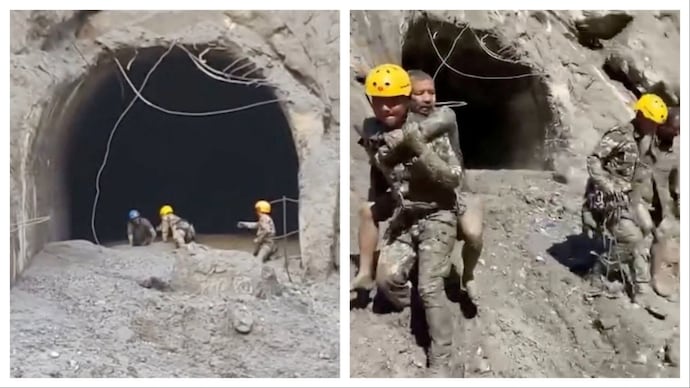
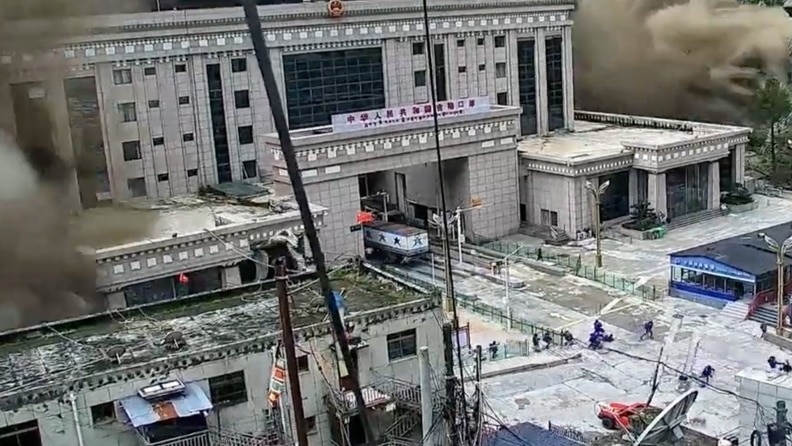
Rescuers evacuate people from a tunnel of a hydropower project, in the aftermath of flash floods and a mudslide, in Rasuwa, Nepal on August 28, 2026. (Photo: Reuters)

New Delhi,UPDATED: Aug 29, 2026 16:34 IST
An 11-member Indian rescue team, including tunnel rescue experts and medical personnel involved in the Silkyara tunnel operation, has reached Nepal to assist in the uphill task of rescuing workers stranded inside hydropower tunnels after devastating flash floods killed at least 626 people and left more than 2,400 missing.
tunnelling expert Professor Arnold Dix, who was associated with the Silkyara rescue, is also coordinating virtually with Nepalese authorities and awaiting medical clearance to travel to the country.
The Silkyara tunnel rescue was a major 2023 operation in Uttarakhand to save 41 workers trapped inside a collapsed section of the Silkyara-Barkot tunnel. After a 17-day rescue effort involving multiple agencies and complex drilling operations, all 41 workers were safely evacuated on November 28, 2023.
TUNNEL RESCUE OPS CHALLENGES
Dix said teams were working continuously with Nepalese and Indian engineers to develop strategies for reaching workers trapped underground, stressing that there was no established playbook for a disaster of this scale.
"Certainly, over the last 24 hours, there's been excellent collaboration between us and the team in Nepal, who are doing an excellent, excellent job. And we've been developing over that period of time between ourselves various strategies to try and perform the rescues there for workers who are trapped in the hydro tunnels underneath the flows," Dix said during an exclusive conversation with India Today.
The tunnels and powerhouses have remained comparatively strong despite the destruction above ground, offering a possible lifeline to those who may still be trapped inside. However, the rescuers are having to work with whatever equipment is available while remaining alert to further flooding.
Dix said the teams were exchanging technical designs and ideas because the circumstances were unprecedented. "There's no textbook for this. There's no precedent for this," he said, adding that rescuers were trying to devise a strategy as conditions changed.
The immediate danger has not passed. Nepalese authorities have warned of the possibility of another flood after water levels rose in the Bhotekoshi River and barrier lakes formed upstream.
Search operations were temporarily suspended after one such lake began overflowing, highlighting the risks faced by rescue personnel working in the affected valleys.
The Nepal tunnel rescue operation is being mounted alongside a massive search-and-rescue effort across flood-hit areas of central Nepal.
The Nepal Army, police and other security personnel have been deployed in large numbers, with more than 11,000 personnel involved in the operation.
Authorities have so far evacuated 2,465 people, including 163 foreigners, while 191 workers have been rescued from tunnels connected to hydropower projects in Trishuli and Rasuwa.
THE NEPAL FLASH FLOODS AFTERMATH
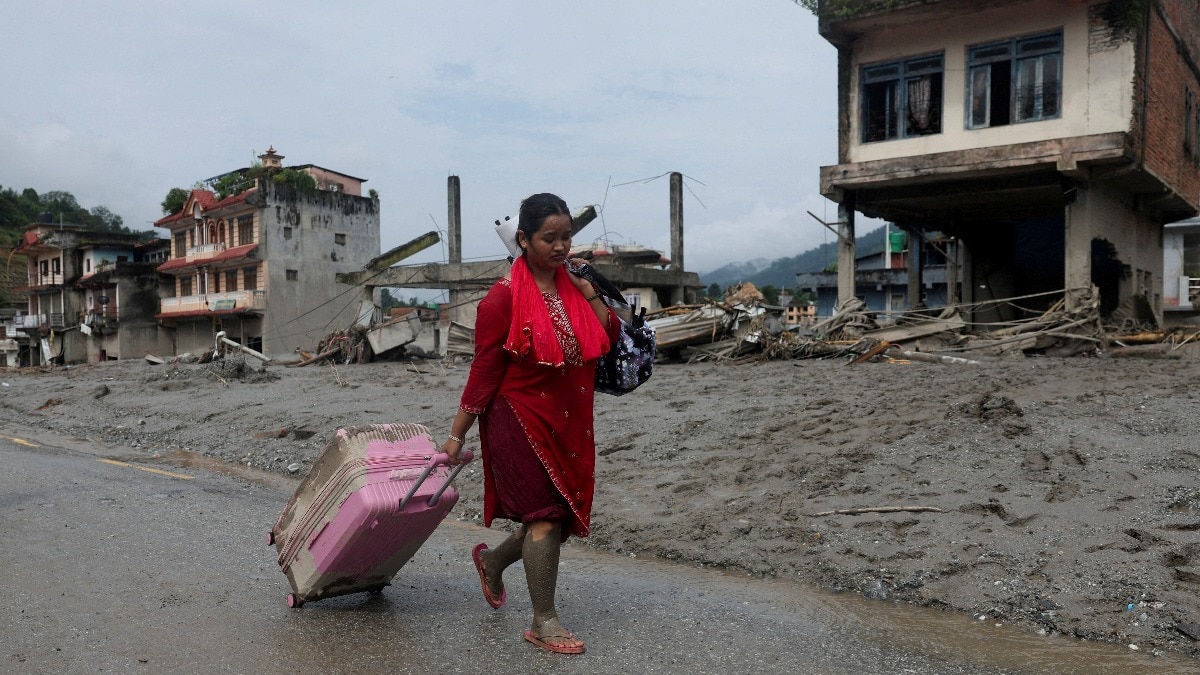
The scale of the disaster has made access one of the biggest challenges. The flash floods swept away roads and bridges and buried large areas under mud, rocks and debris, leaving several settlements and infrastructure projects cut off.
Rescuers have had to navigate damaged roads, rugged mountain terrain and unstable river systems to reach affected locations.
The disaster followed an ice-and-rock avalanche triggered by a glacial collapse near the Nepal-Tibet border.
A huge surge of water, mud and debris then raced downstream through central Nepal, destroying homes, vehicles, roads, bridges and hydropower infrastructure. Seven people have also been reported dead on the Chinese side.
The Nepal Army said 2,265 people among those evacuated were rescued by helicopter, while another 200 were brought out through land routes.
Emergency health centres in Dhunche and Trishuli have treated more than 1,700 evacuated people.
The humanitarian crisis is compounded by the large number of people still unaccounted for.
As Nepal continues its wider rescue and relief operation, the tunnel teams are working against time and the threat of further flooding to determine the condition of those still underground.
Dix summed up the effort simply, "I'm doing my best. The teams are doing their best. The teams from India are doing their best. We're all doing our best to get people out if they're alive inside those tunnels".
- Ends
With PTI inputs
Published On:
Aug 29, 2026 16:34 IST