 1 hour ago
Sudha Murty told the UN that India supports a binding global pact against a space arms race. The appeal seeks to preserve peaceful access while managing dual-use technologies and security risks.

Image used for representational purposes only
Unitednations,Oct 21, 2026 12:08 IST

India has called for outer space to remain a domain of cooperation rather than conflict and urged countries to negotiate a legally binding international agreement to prevent an arms race in space, news agency Press Trust of India reported.
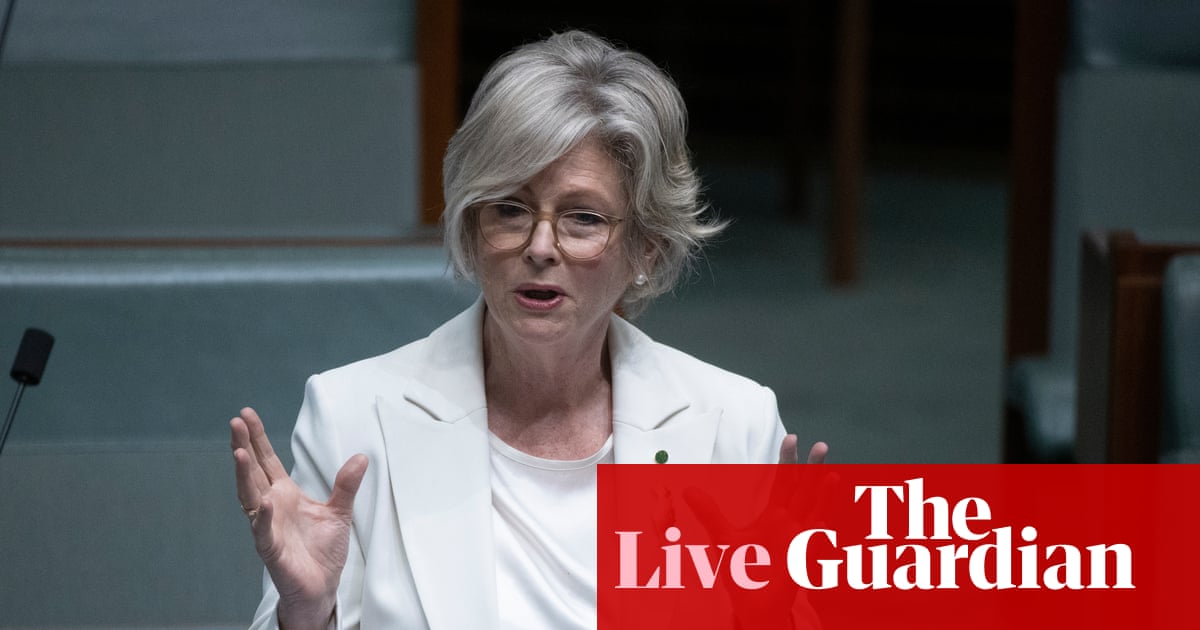
Presenting India's statement on outer space at the United Nations General Assembly First Committee on Tuesday, Member of Parliament Sudha Murty said India was a major space-faring nation whose space programme had both developmental and security dimensions.
“India believes that outer space belongs to all of us. We are one Earth, one family with one future. It is our view that outer space should remain a realm for cooperation, not conflict,” Murty said.
Referring to the emergence of new participants in the space sector, Murty said technologies and assets that could have both civilian and military applications had become a reality. “A difference of opinion continues on approaches to preventing an arms race in outer space and on which approach should take priority,” she said.
According to PTI, India reiterated its preference for a universally acceptable and verifiable legal agreement on the Prevention of an Arms Race in Outer Space. It said the agreement should be negotiated by multiple countries at the Conference on Disarmament.
Murty said India was also open to universal and non-discriminatory voluntary norms, along with measures to promote transparency and confidence. However, she stressed that such steps could complement, but not replace, a legally binding agreement.
India also said threats to the safety, security and long-term sustainability of outer space should be considered together with the risks of misunderstanding and miscalculation, as well as questions over what would amount to the use of force in space.
“A selective focus on some threats or others would be counterproductive. Verifying space behaviour, including access to relevant information and data, also poses real challenges. Mandates of various fora focusing on space security, safety, and sustainability must be respected,” Murty said.
She added that overlaps and the creation of multiple standards covering the same issues should be avoided. As a developing country, India believed that any outcome of the process should not discourage the exchange of scientific and technological research for peaceful and legitimate purposes, she said.
Murty also highlighted India's space achievements and future plans. She noted that the country had landed a spacecraft on the Moon in 2023 and was preparing for its human spaceflight programme, Gaganyaan. India also plans to build a national space station called the Bharatiya Antariksha Station.
New Delhi has consistently called for stronger international laws governing outer space to preserve access for all countries and prevent an arms race, while addressing risks arising from the growing use of space technologies.
In September, Prime Minister Narendra Modi called for a safe, secure, peaceful and sustainable space domain based on international law, dialogue and cooperation among countries. Addressing the Space Summit in Paris virtually, Modi said scientific data must serve a common goal with openness and integrity, and that India's space journey reflected this approach.
Murty is part of the second group of visiting Indian parliamentarians who arrived at the United Nations for a familiarisation visit. The lawmakers are scheduled to meet officials at the UN headquarters, senior UN representatives, envoys and members of the Indian diaspora.
India's statement underlined its support for cooperation in outer space, a binding international agreement to prevent an arms race, and continued access to peaceful scientific and technological research for all countries.
With PTI Inputs
- Ends