 6 hours ago
Last Updated:March 06, 2026, 22:46 IST
India’s digital and economic engines remain heavily reliant on the Strait of Hormuz, which is at the Centre of the US-Israel war with Iran


A model of an internet cable that is laid along the seabed to transmit the Internet via fibreglass. (Representational image: Getty)
The Strait of Hormuz is often characterised as the world’s most significant energy chokepoint, but in March 2026, it has emerged as an equally vital “digital chokepoint". For India, this narrow strip of water represents a double-edged vulnerability: it is the primary gateway for the fuel that powers its physical economy and the subsea cables that sustain its digital existence. As the West Asia war escalates, the risks to India’s normality have shifted from theoretical to immediate.
The Digital Arteries: Undersea Cables at Risk
While 99% of international data is transmitted via subsea fibre-optic cables, approximately one-third of India’s westward internet traffic traverses the Gulf region. Key cable systems such as SEA-ME-WE 4 (SMW4), I-ME-WE, and Flag Telecom’s FALCON are critical for connecting Mumbai and Chennai to Europe and West Asia.
The deteriorating security situation has disrupted essential maintenance. Cable repair ships, which have been active since cuts occurred near Jeddah in late 2025, were forced to halt operations this week due to the risk of missile strikes and drone attacks. This “repair paralysis" means that if a cable is severed today—whether by a dragging anchor or deliberate sabotage—the resulting latency could cripple India’s real-time financial trading and its burgeoning $270 billion data centre industry.
The Energy Chokepoint: Crude and LNG Dependencies
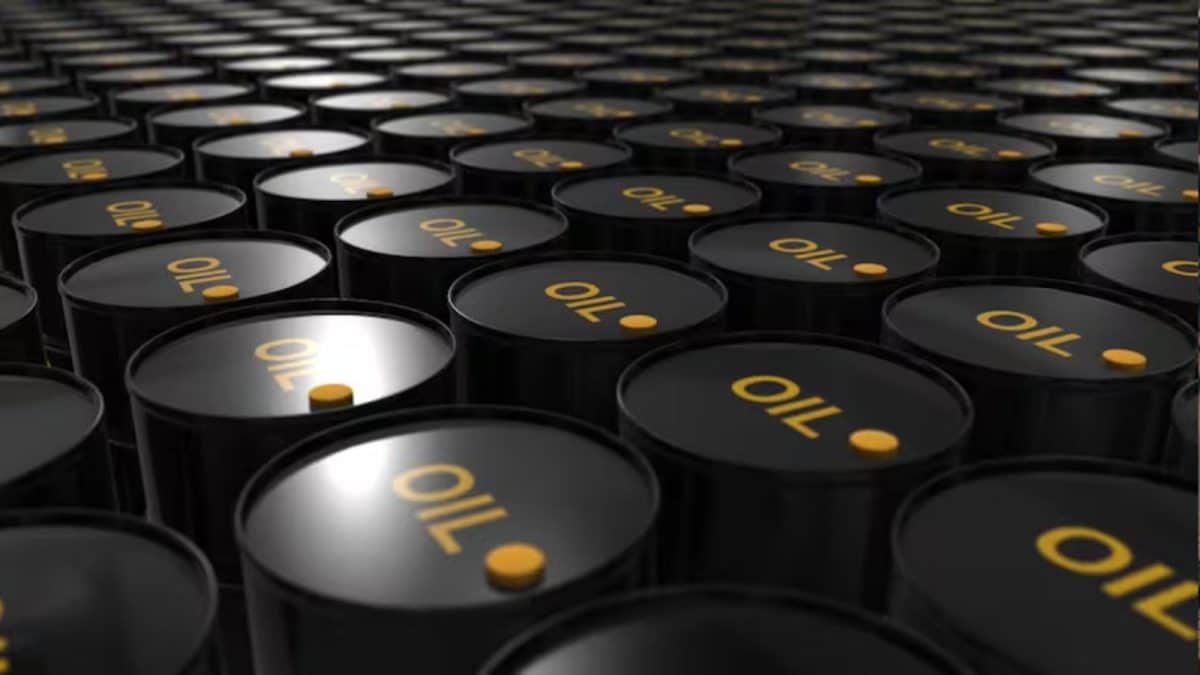
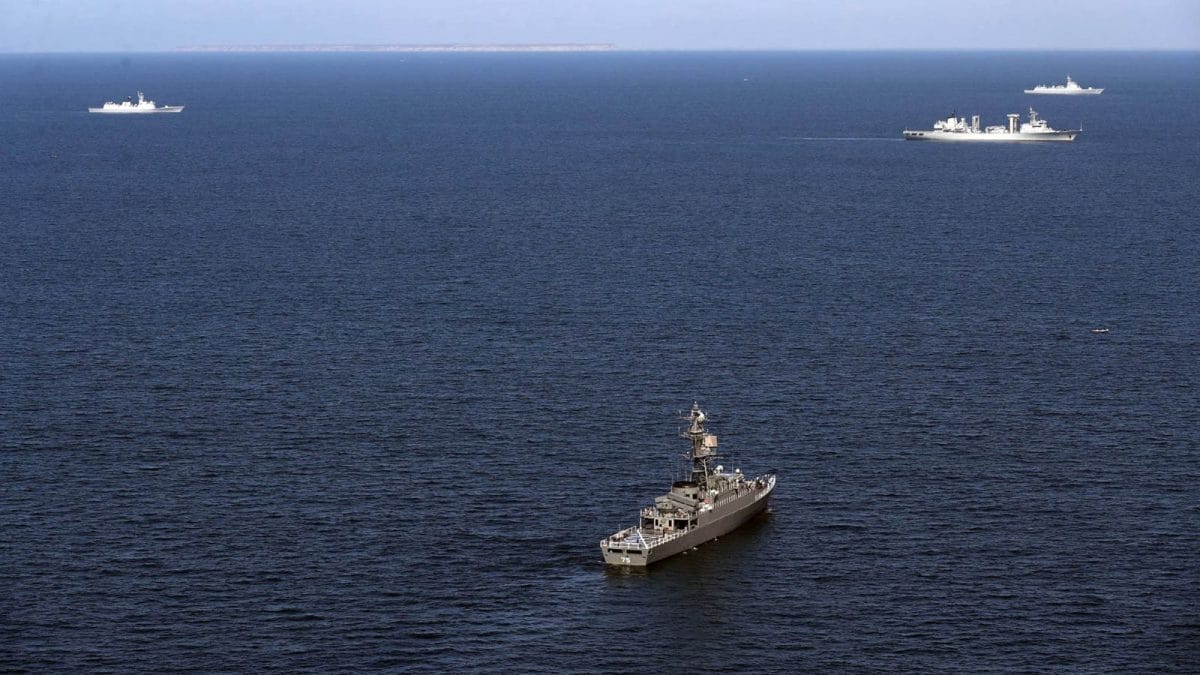
India’s economic engine remains heavily reliant on the Strait for its physical survival. As of March 2026, roughly 50–55% of India’s crude oil imports and over half of its Liquefied Natural Gas (LNG) shipments must pass through this 33-kilometre-wide passage. With the war entering a critical phase, tanker traffic has plummeted by nearly 70%, with many vessels dropping anchor outside the Strait to avoid being targeted.
The disruption to LNG is especially acute. With Qatar being India’s largest supplier, any prolonged blockade effectively “freezes" the supply chain for India’s fertiliser and power sectors. While the Indian government has assured the public that it holds roughly 25 days of crude oil and another 25 days of fuel reserves, these are temporary buffers against a conflict that shows no signs of abating. The recent strike on the oil tanker Skylight, which killed two Indian crew members, has already forced a sharp spike in maritime insurance premiums, adding a “war premium" to every barrel that manages to get through.
Economic Cascades and the ‘War Premium’
The economic fallout is not limited to the pump. The volatility in the Strait has triggered a surge in Brent crude towards $90 per barrel. Analysts warn that a sustained crisis could push the Indian Rupee below 95 against the US dollar, further widening the current account deficit (CAD).
For India’s white-collar workforce, the risk is twofold. First, the potential disruption of data flows threatens the “remote-first" delivery models of IT giants. Second, the stability of the 9 million-strong Indian diaspora in the Gulf is at stake. A structural dislocation in the regional economy would not only threaten their safety but also jeopardise the massive flow of remittances—a cornerstone of India’s foreign exchange reserves.
Strategic Realignment and Future-Proofing
The 2026 crisis has forced New Delhi into a delicate balancing act. The US has granted India a 30-day waiver to ramp up Russian oil imports to mitigate price spikes, even as India attempts to diversify its energy basket with American and Venezuelan crude. Strategic projects like the India-Middle East-Europe Economic Corridor (IMEC), once seen as a “peace-time" trade route, are now being re-evaluated as essential security alternatives to bypass traditional maritime flashpoints.
Ultimately, the Strait of Hormuz serves as a stark reminder that in a globalised world, India’s “strategic autonomy" is inextricably linked to the safety of deep-sea cables and the freedom of navigation in distant, turbulent waters.
First Published:
March 06, 2026, 22:46 IST
News tech India’s New Digital Chokepoint: The West Asia War Is Threatening Your Internet, Not Just Your Petrol
Disclaimer: Comments reflect users’ views, not News18’s. Please keep discussions respectful and constructive. Abusive, defamatory, or illegal comments will be removed. News18 may disable any comment at its discretion. By posting, you agree to our Terms of Use and Privacy Policy.
Read More