1 month ago
India and New Zealand upgraded ties to a strategic partnership after talks between Narendra Modi and Christopher Luxon. The move sets an ambitious trade goal and deepens Indo-Pacific maritime and security coordination.
Image used for representational purposes only

Auckland,UPDATED: Jul 11, 2026 17:18 IST
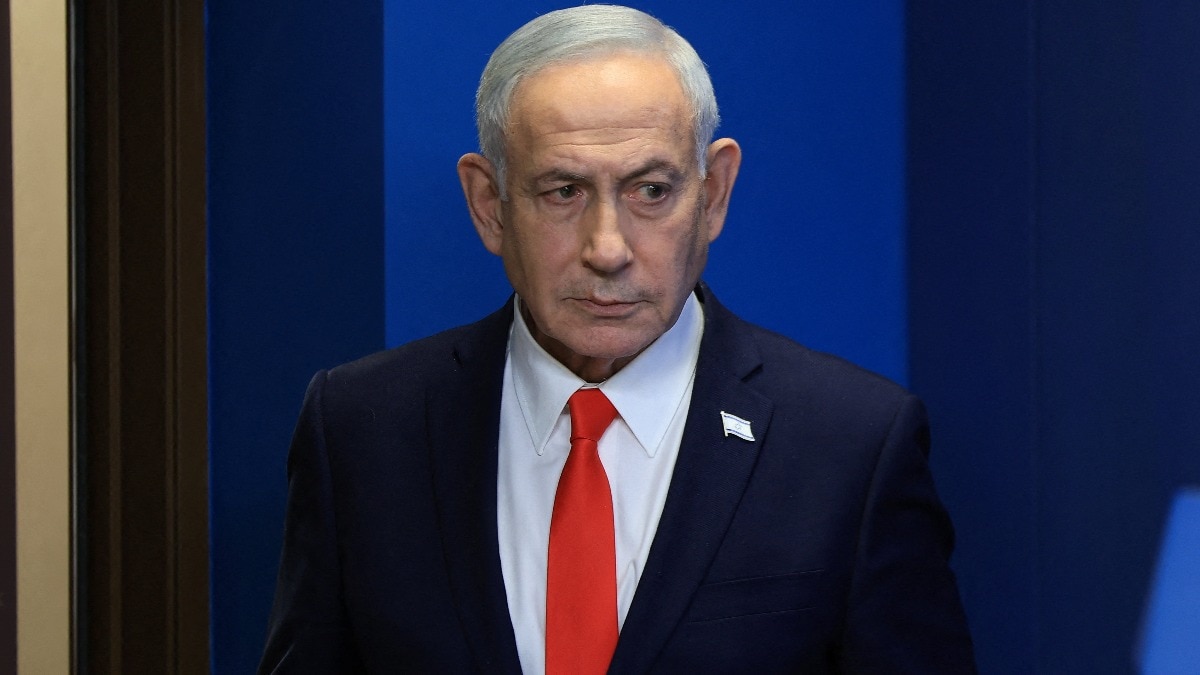
India and New Zealand on Saturday elevated their relationship to a strategic partnership, set a target of doubling annual bilateral trade to 7 billion New Zealand dollars, or about Rs 35,000 crore, by 2030, and agreed to step up maritime security cooperation. After talks between Prime Minister Narendra Modi and New Zealand Prime Minister Christopher Luxon, the two sides also said they would work for a free, open and prosperous Indo-Pacific.
The talks produced 18 concrete outcomes, including 10 agreements, with a four-year roadmap to widen ties across sectors. The two countries also focused on early implementation of the recently signed India-New Zealand Free Trade Agreement, Wellington's commitment to invest USD 20 billion in India over the next 15 years, cooperation on counter-terrorism and sport, and coordination on issues ranging from West Asia to Ukraine and reform of the United Nations.
Among the key agreements were pacts on sharing hydrographic data, mutual naval logistics and stronger maritime engagement in the Indo-Pacific. India and New Zealand also agreed to set up a maritime security dialogue and a joint working group on counter-terrorism. A joint action plan on sport was also finalised, covering high-performance sport, sports science, sports medicine and athlete development. Modi arrived in Auckland on Friday night in the final leg of his three-nation tour after visiting Indonesia and Australia. The visit came after the recent signing of the India-New Zealand Free Trade Agreement.
"We have decided to elevate our ties to a strategic partnership. We will move forward across every sector with clear goals and concrete outcomes," Modi said after the talks. The joint statement said both leaders reaffirmed their commitment to a free, open and prosperous Indo-Pacific, and stressed the need to safeguard sovereignty, territorial integrity and the rules-based international order. It said they called for freedom of navigation and overflight, and other lawful uses of the seas, in line with international law, especially the 1982 United Nations Convention on the Law of the Sea.
The two prime ministers agreed to work towards doubling two-way trade in goods and services by 2030. Bilateral annual trade is currently about Rs 18,000 crore. Modi said, "A firm belief in democratic values makes us natural partners. Moreover, as two maritime nations, our close cooperation lends new strength to the Indo-Pacific, and our relationship can infuse new energy into achieving our goals of peace." He also said, "I am confident that my visit will further strengthen our bilateral relations and enhance our contribution to global peace, stability, and security. We can act as a catalyst, advocate for peace, and - through peace - advance towards global well-being." The push for closer Indo-Pacific cooperation comes amid global concern over China's growing military activity in the region, including its test of a submarine-launched, long-range ballistic missile earlier this week.
On West Asia, Modi and Luxon expressed concern over the renewed escalation of tensions and called on all sides to exercise restraint, de-escalate and protect civilians. They also called for the full restoration of freedom of navigation and the global flow of commerce through the Strait of Hormuz, while opposing any constraints on shipping. The two leaders said dialogue, diplomacy and adherence to international law were essential for a peaceful and lasting solution. They also discussed the need for stable, transparent and resilient supply chains, and noted that disruptions across the Indo-Pacific were affecting global routes, with Pacific Island countries particularly exposed because higher oil prices were pushing up electricity, shipping, transport, agriculture and fisheries costs. On Ukraine, the joint statement said both leaders expressed concern over the ongoing war, which continues to "cause immense human suffering and global consequences".
The two leaders also reiterated their condemnation of terrorism in all its forms, including cross-border terrorism. They strongly condemned the terrorist attack in Pahalgam and the terror incident near Delhi's Red Fort last year, and said those responsible must be held accountable. Calling for a "zero-tolerance" approach to terrorism, they underlined the need to disrupt terror financing networks and safe havens. Modi and Luxon also backed "bold and effective" reform of the United Nations and supported expansion of the Security Council, with New Zealand reaffirming its support for India's permanent membership of a reformed and expanded UN Security Council.
The Auckland talks, the last stop of Modi's three-nation tour, ended with India and New Zealand laying out a wider agenda on trade, maritime security, counter-terrorism, sport and global issues, while setting a 2030 target to raise two-way trade to Rs 35,000 crore under their new strategic partnership.
With PTI Inputs
- Ends
Published By:
India Today Web Desk
Published On:
Jul 11, 2026 17:18 IST