8 hours ago
Last Updated:March 09, 2026, 16:33 IST
Poland and Hungary urge the EU to reassess sanctions on Russian energy imports amid rising oil and gas prices due to Middle East tensions, warning of economic risks.


Poland and Hungary urge the EU to reassess sanctions on Russian energy imports amid rising oil and gas prices due to Middle East tensions, warning of economic risks.
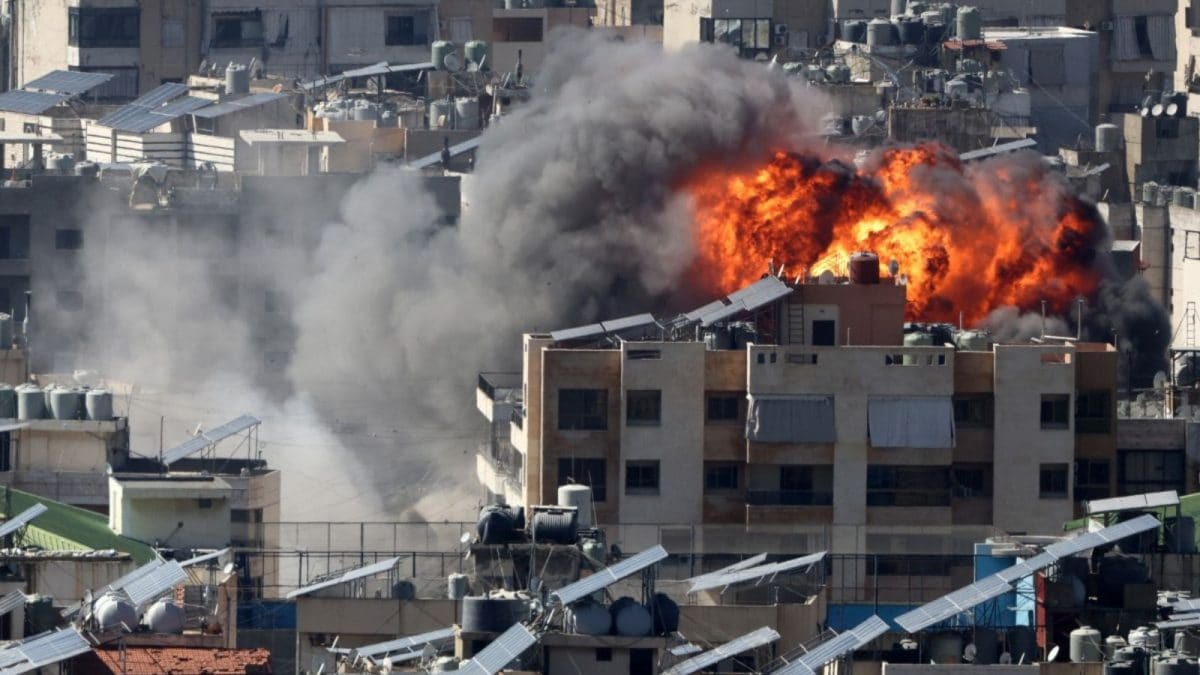
Poland and Hungary are calling for a reassessment of sanctions on Russian energy imports as rising tensions in the Middle East send global oil and gas prices sharply higher.
Polish Prime Minister Donald Tusk questioned the geopolitical consequences of the escalating conflict, warning that surging energy prices could indirectly benefit Russia.
“The war in the Middle East continues, and chaos is spreading. Oil prices are going up. Washington may lift sanctions on Russian oil. Who is the real winner here?" Tusk wrote in a post on X.
The war in the Middle East continues and chaos is spreading. Oil prices are going up. Washington may lift sanctions on Russian oil. Who is the real winner here?— Donald Tusk (@donaldtusk) March 7, 2026
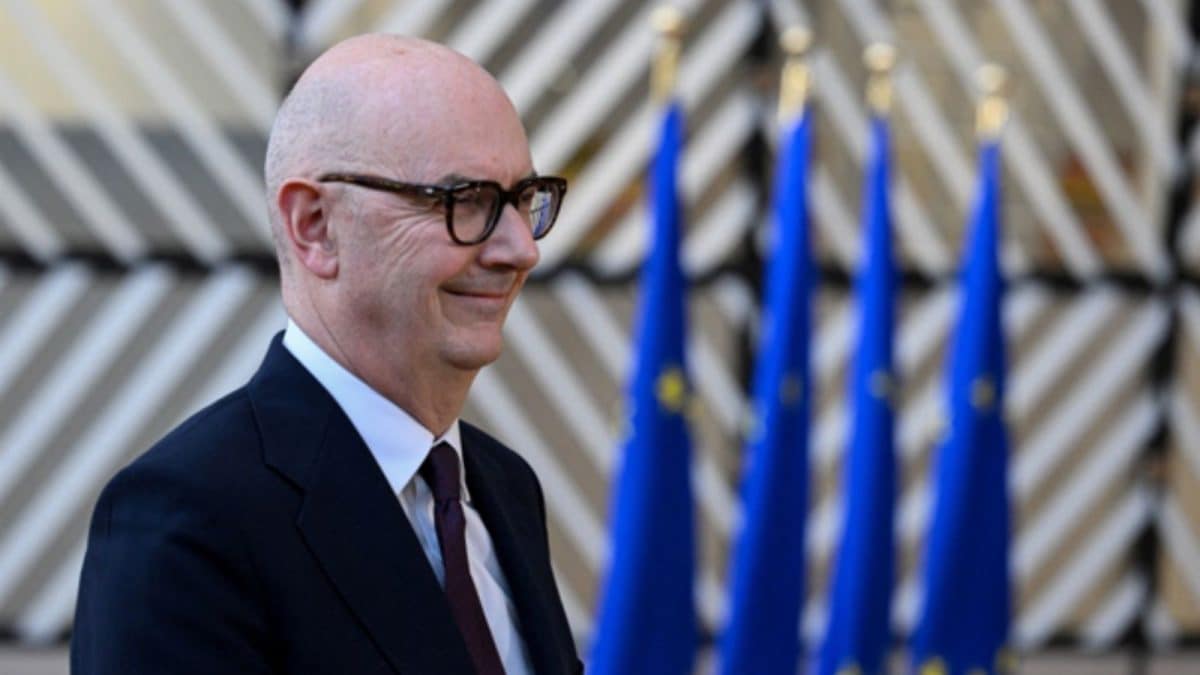
Hungary’s Foreign Minister Péter Szijjártó also urged the European Union to reconsider its restrictions on Russian oil and gas imports, arguing that Europe’s energy security is at risk.
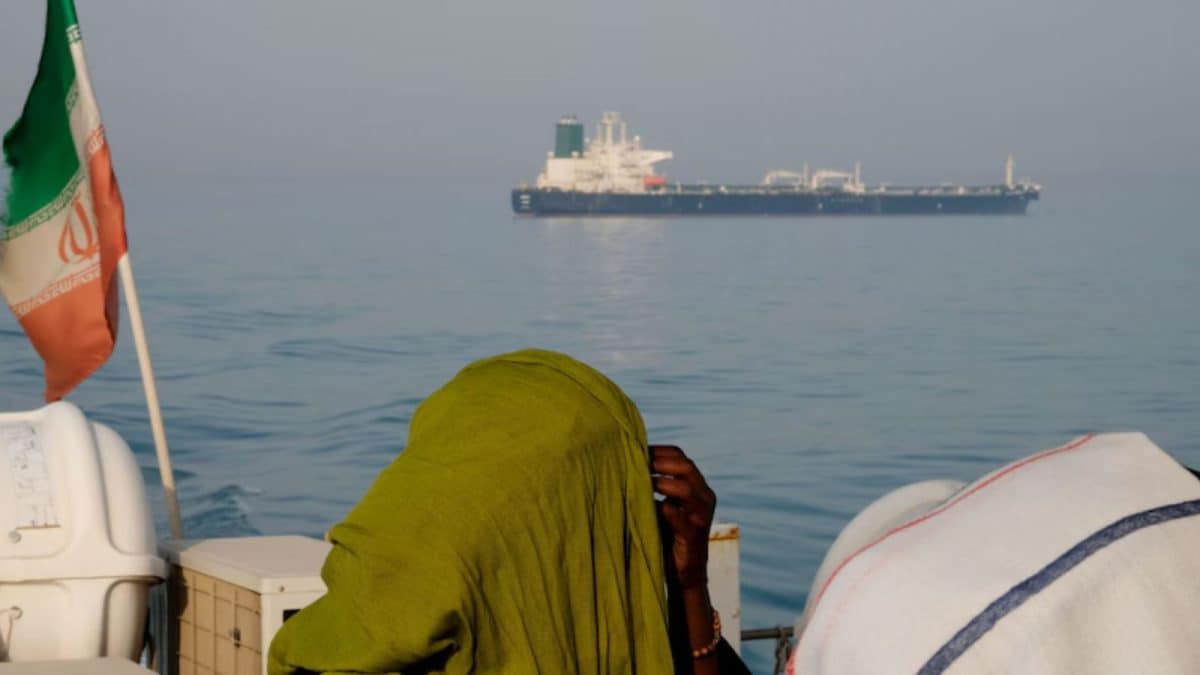
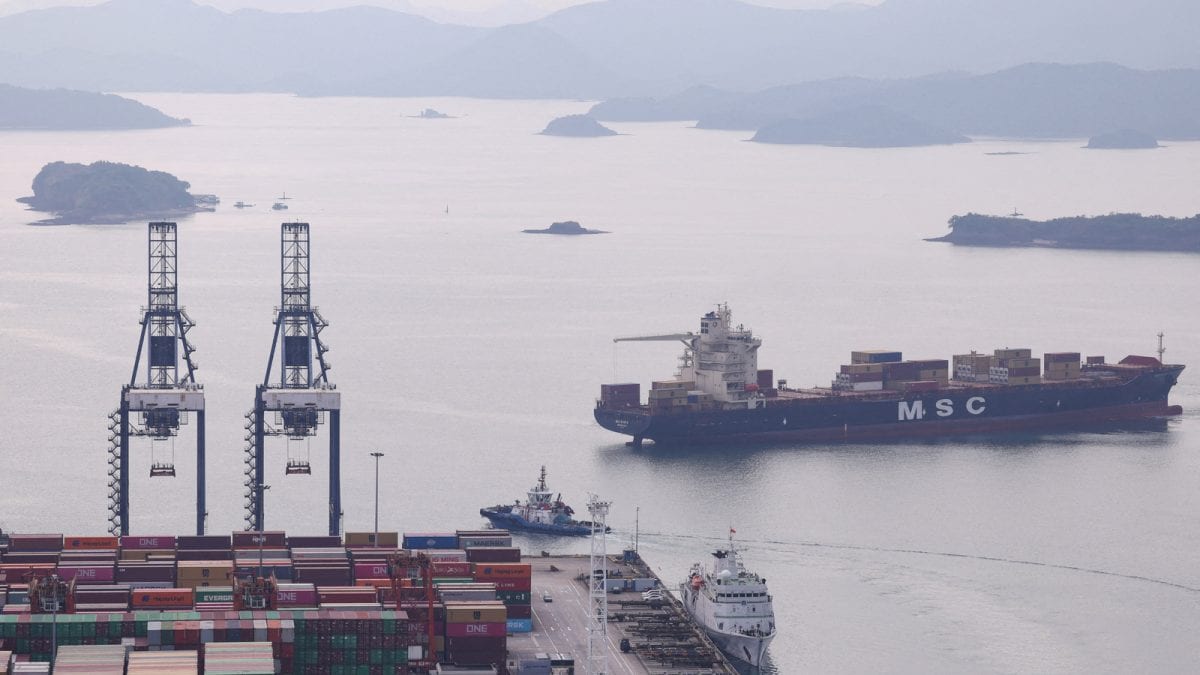
Szijjártó said the escalation of conflict in the Middle East and disruptions to shipping routes such as the Strait of Hormuz are threatening global energy supplies.
“With the war in the Middle East escalating and the Strait of Hormuz closed, a major share of global energy supply is now at risk," he wrote.
The EU should immediately lift its ban on Russian oil and gas imports. With the war in the Middle East escalating and the Strait of Hormuz closed, a major share of global energy supply is now at risk.Europe is especially exposed because the EU had already banned Russian energy…
— Péter Szijjártó (@FM_Szijjarto) March 9, 2026
Why Calls to Lift Sanctions Are Growing
The European Union imposed sweeping sanctions on Russian oil and gas after Moscow’s invasion of Ukraine in 2022, forcing many European countries to shift to alternative suppliers.
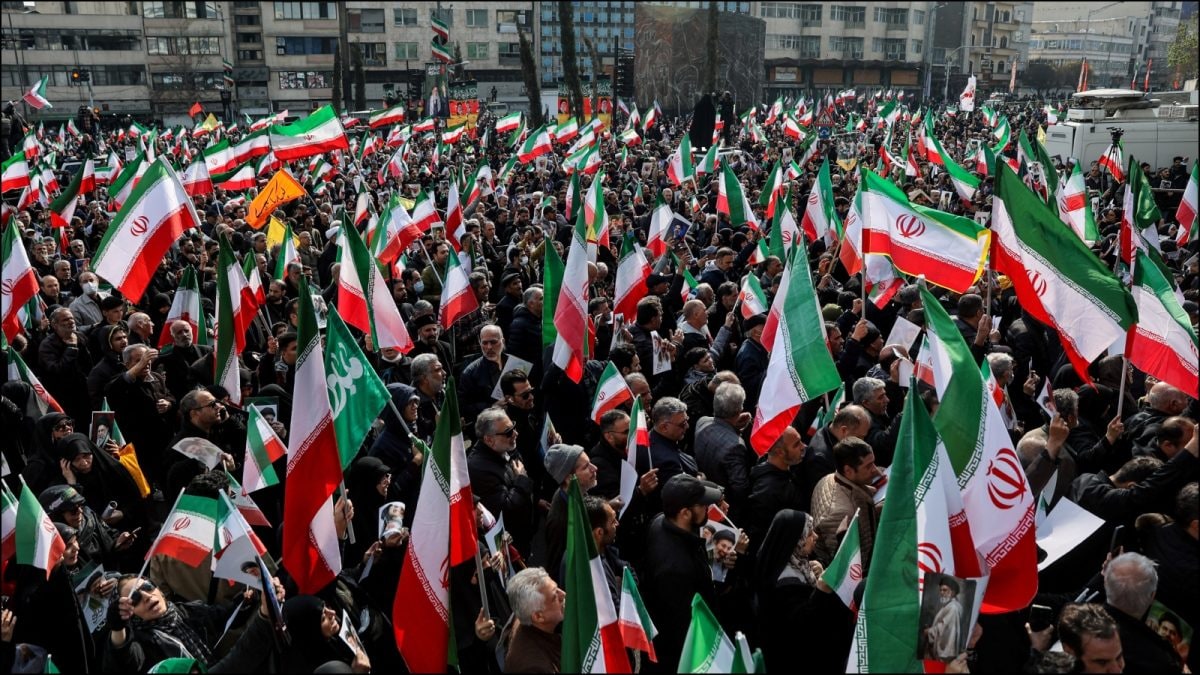
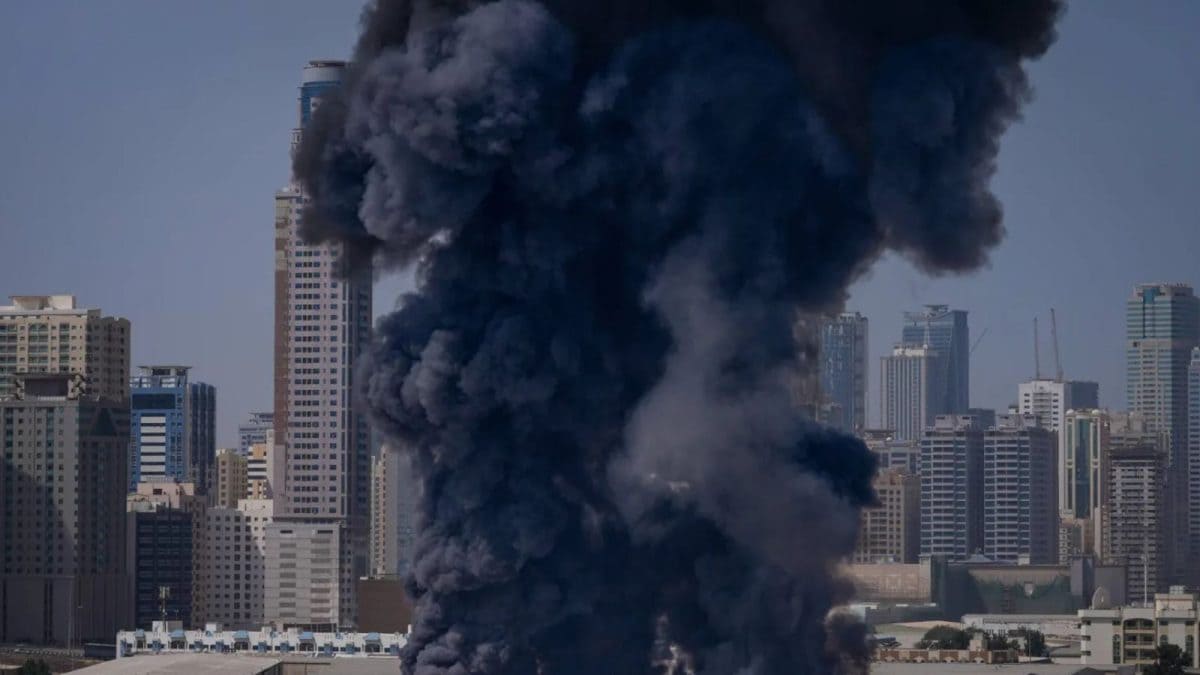
However, officials now warn that the West Asia conflict is simultaneously disrupting global energy flows, reducing supply and pushing prices higher as Iran strikes energy facilities in the region and chokes the Strait of Hormuz, through which 20 per cent of all global oil flows.
According to energy analysts, crude oil prices have surged toward $100 per barrel amid fears of supply disruptions, with some forecasts suggesting prices could climb even higher if the conflict drags on.
Natural gas prices in Europe have also risen sharply as traders anticipate possible disruptions to LNG shipments and shipping routes.
Hungary and some other EU members argue that maintaining strict bans on Russian energy while global supply is tightening could lead to dramatic price increases for European consumers and industries.
Szijjártó warned that continuing the sanctions in the current environment could harm European economies.
“If Brussels keeps the sanctions in place, it will cause serious harm to European people and the European economy," he said, adding that policymakers should prioritise protecting European households from soaring energy costs.
The debate highlights growing divisions within the EU over energy policy as geopolitical tensions reshape global energy markets.
Location :
Brussels, Belgium
First Published:
March 09, 2026, 16:33 IST
News world ‘Immediately Lift Ban On Russian Oil’: After Poland, Hungary Questions Sanctions On Moscow's Energy Exports
Disclaimer: Comments reflect users’ views, not News18’s. Please keep discussions respectful and constructive. Abusive, defamatory, or illegal comments will be removed. News18 may disable any comment at its discretion. By posting, you agree to our Terms of Use and Privacy Policy.
Read More