14 hours ago
Yemen's Houthi rebels have announced a maritime embargo against Saudi Arabia after the reported strike on Sanaa airport. The move threatens the Bab al-Mandeb chokepoint, raising fears of renewed conflict and costlier global shipping.

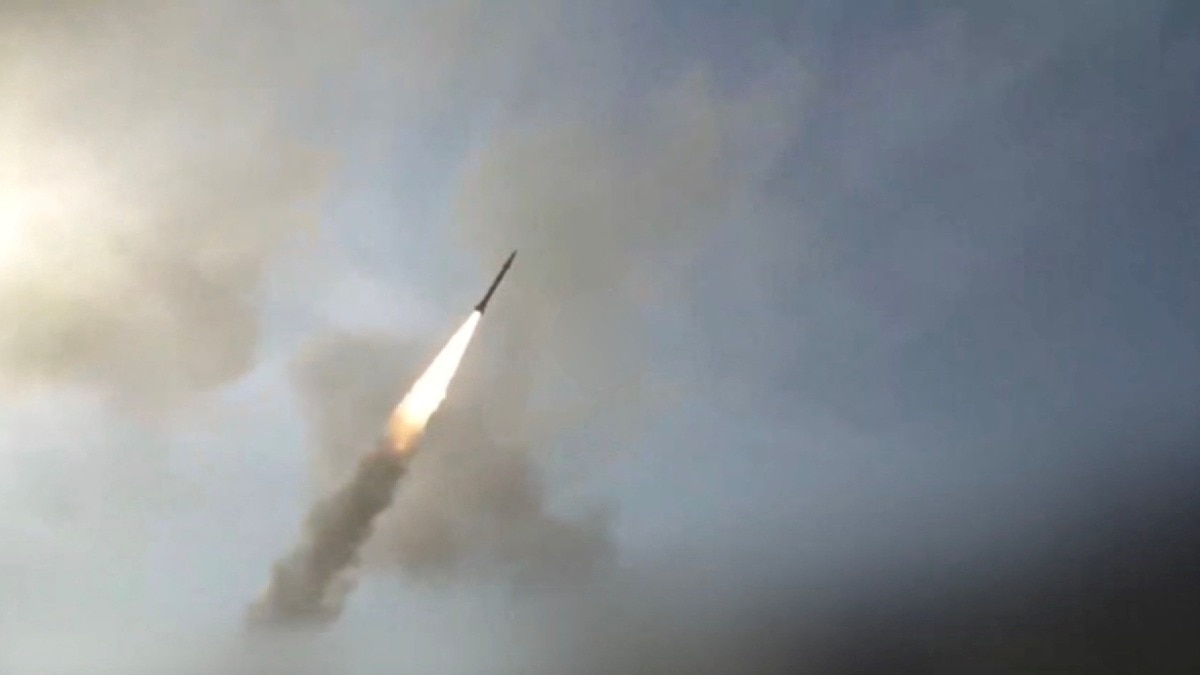
Image used for representational purposes only

Cairo,UPDATED: Jul 20, 2026 19:46 IST
Yemen's Iran-backed Houthi rebels on Monday announced a maritime embargo against Saudi Arabia, saying the move was in retaliation for the blockade on Yemen and a recent attack on Sanaa Airport. The announcement raises the risk of renewed conflict and threatens disruption in the Bab al-Mandeb strait, one of the world's most important shipping routes.
In a video statement, Houthi military spokesperson Yahya Saree said the ban would take effect immediately, describing it as an "equation of an eye for an eye". There was no immediate response from Saudi Arabia, and it remained unclear whether the Houthis would resume attacks on shipping on the scale seen during the Israel-Hamas war in Gaza.
There were few details in the Houthi announcement, but Nasruddin Amer, deputy head of the Houthi media office, said on X that the Bab al-Mandeb strait would be closed in response to what he called Saudi Arabia's "unjust blockade on Yemenis for over 10 years".
Bab al-Mandeb, at the southern tip of the Arabian Peninsula, is the gateway to the Red Sea and usually carries around 12 per cent of global trade. A quarter of global container trade passes through the 32-kilometre-wide strait on the route to and from the Suez Canal. Any disruption there would force shipping firms to send vessels around the Cape of Good Hope, sharply increasing costs.
The Houthis had earlier shown they could disrupt traffic in the waterway when they targeted ships for months during the Gaza war, attacking more than 100 vessels. The United States and Israel responded with a heavy air campaign across Houthi-held areas in Yemen until a deal led the rebels to stop their assaults.
Saudi Arabia already faces pressure as it uses its East-West Pipeline to the Red Sea as an alternative to the Strait of Hormuz, which the report said remains in the grip Iran imposed shortly after the US and Israel attacked it on February 28. The Saudis have been sending millions of barrels of crude oil a day through the pipeline.
Saudi Arabia has led a coalition against the Houthis since 2015 and imposed an air and sea blockade on Yemen. Yemen's civil war began in 2014 after the rebels seized the capital, Sanaa, and much of northern Yemen, forcing the government into exile. A truce was reached in 2022, but that understanding has come under strain in recent days.
The Houthis said the Saudis struck Sanaa airport in an attempt to affect a flight carrying Houthi leaders back from Iran, where they had attended the funeral of Supreme Leader Ayatollah Ali Khamenei. The plane landed safely at another airport. The Houthis then launched missiles and drones at Saudi Arabia's Abha Airport in what was described as the most significant confrontation in years.
Experts told AP that by allowing a direct international flight to land without the approval of the Saudi-led coalition, the Houthis were trying to create a new reality in which they could make independent decisions over Yemen's airspace. On Monday, Saree said, "We affirm the right of our great people to respond to the blockade with a blockade," and added that the Houthis were ready to confront "any foolish act committed by the reckless Saudi enemy ... with a comprehensive and decisive escalation."
The Houthis are a key part of Iran's so-called Axis of Resistance, which also includes militant groups in Lebanon, Iraq and the Palestinian territories. The rebels have built up a large drone stockpile, though several Houthi members had earlier told AP that supplies were running low after the attacks linked to the Gaza war, and that the Iran war had further slowed the flow of weapons.
In effect, the Houthi announcement links the blockade on Yemen, the reported strike on Sanaa airport and the latest escalation with Saudi Arabia to a threat against the Bab al-Mandeb, a route vital to world trade. With a 2022 truce under pressure and no Saudi response yet, the move adds to fears of a wider confrontation and fresh disruption to global shipping.
With PTI Inputs
- Ends
Published By:
India Today Web Desk
Published On:
Jul 20, 2026 19:46 IST