1 month ago
An Indian-origin Texas homeowner removed a bronze Ganesha idol and other Hindu symbols before potential buyers visited his home. The revelation, made to Bloomberg in an interview, reflects broader unease over anti-India rhetoric amid the H-1B crackdown and a depressed housing market.
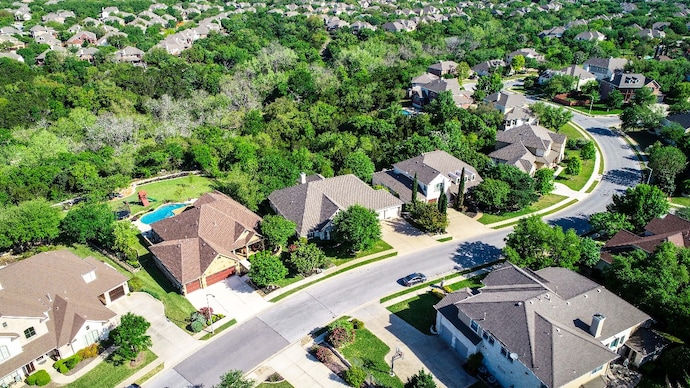
Indian immigrants have played a vital role in transforming Texas suburbs into thriving economic and cultural hubs over the past decade. (Image: Getty)
An Indian-origin homeowner in Texas removed a Ganesha idol and other Hindu religious symbols from his house before prospective buyers arrived as he feared they might discourage them from buying the property in an increasingly uncertain housing market shaped by anti-immigrant sentiment and visa anxieties. This was revealed by Ravi Vavilala during an interview with Bloomberg, which was examining the changing fortunes of North Texas's housing boom.
Ravi Vavilala, a resident of Celina, told Bloomberg that he removed Hindu imagery from his home while trying to sell the property in a market that has slowed sharply following layoffs in the technology sector and growing uncertainty surrounding the H-1B visa programme.
Vavilala's home contained a large bronze idol of Lord Ganesha, paintings of Hindu deities, and other religious symbols that reflected his family's cultural identity. But as buyers became scarce, he decided to move out the items from showcases.
"Because the market is very slow, I want to attract all types of buyers," Vavilala told Bloomberg.
"We realised that we have to make our home very generic. We packed everything, including Hindu imagery and the Ganesha idol, and hid this stuff in a storage room," he added.
Vavilala's decision has become emblematic of a broader unease spreading through Indian-American communities in North Texas, where Indian immigrants have played a major role in transforming suburbs such as Frisco, Prosper, and Celina into thriving economic and cultural hubs over the past decade.
Just last week, Indian-American Congressman Raja Krishnamoorthi referred to an incident in Frisco, Texas, and urged people to stand against bigotry, prejudice and discrimination.
"I want to sound the alarm on the rise of anti-Indian hate in the United States. Just a couple of weeks ago, in Frisco, Texas, a group of white supremacists appeared in front of City Hall and said the following: they said, 'Go back to India, stop the Hindu takeover of Texas, and you will not replace us'," Krishnamoorthi said.
A packed city council meeting in Frisco in February turned into a showdown between a right-wing crowd and Indian-origin people. Dozens of individuals wearing right-wing symbols alleged widespread H-1B visa fraud and an "Indian Takeover" clashed with Indian-origin citizens, who argued that their presence was in fact beneficial for the US city.
THE RISE OF ANTI-INDIA SENTIMENT OVER THE PAST YEAR
The Bloomberg report suggests that the Dallas-Fort Worth region has become one of the largest destinations for Indian technology workers in the United States as companies have relocated operations to Texas. Thousands of highly skilled professionals arrived through the H-1B visa programme, fuelling population growth and a housing construction boom.
The Indian population in parts of North Texas surged so rapidly that residents jokingly referred to the region as "Dallaspuram", a racist reference to the large South Asian presence. Hindu temples, Indian restaurants, saree stores, and cricket facilities emerged alongside large-scale housing developments.
However, there has been a change in this atmosphere over the past year.
The Bloomberg report reveals that there is a rise in anti-India rhetoric at local political meetings and protests. At city council meetings in Frisco, some activists have warned of what they describe as an "Indian invasion", while making allegations about visa fraud without evidence.
In Irving, protestors held signs reading, "Don't India My Texas: Deport H-1B Visa Scammers".
The report also noted that videos attacking Indian immigration and Hindu practices have attracted millions of views online, contributing to anxiety among prospective homebuyers and residents across the US.
Real-estate professionals told Bloomberg that such controversies against Hindus practices and Indians have become an economic issue as well, with some buyers reconsidering relocation plans amid concerns about the political climate.
TRUMP'S H-1B RESTRICTIONS HAVE ADDED TO THE UNCERTAINTY OF INDIANS IN US
The growing apprehension in the US against Indians and their culture coincides with renewed restrictions on skilled immigration under US President Donald Trump.
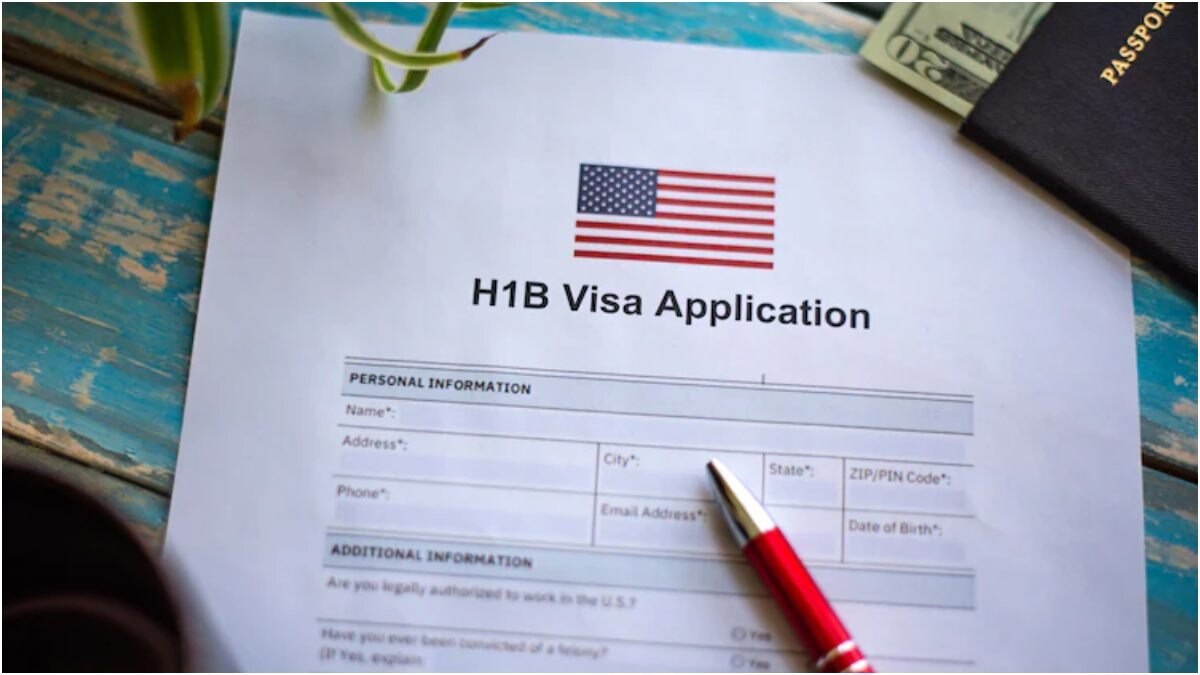
The Trump administration has moved to tighten rules governing the H-1B visa programme by introducing new fees, raising salary thresholds, and prioritising applications from higher-paid workers. Federal authorities have also increased scrutiny of employers using the programme, the Bloomberg report reveals.
At the state level, Texas has adopted an increasingly aggressive approach. Bloomberg reported that Governor Greg Abbott ordered state agencies and public universities to freeze new H-1B petitions, while Attorney General Ken Paxton launched investigations into businesses suspected of abusing the programme.
The uncertainty has had direct consequences for Indian-origin professionals working in the technology sector. Many who purchased homes during the pandemic-era boom are now facing layoffs, visa concerns, and declining property values.
Under existing rules, H-1B holders who lose their jobs generally have only a limited period to secure new sponsorship or leave the country, making long-term financial commitments such as homeownership particularly risky.
INDIAN-ORIGIN CUSTOMERS RETREAT, HOUSING MARKET FEELS THE IMPACT IN US
Bloomberg's reporting suggests that the retreat of Indian buyers is already reshaping local housing markets. Builders who once relied heavily on Indian-origin customers have reported a sharp decline in sales from that demographic.
Some luxury home developers told Bloomberg that Indian buyers previously accounted for a majority of purchases but now represent a much smaller share.
As demand weakens, home prices in several northern Dallas suburbs have fallen faster than the broader metropolitan market. The slowdown threatens local tax revenues and raises concerns about infrastructure and school expansion plans that were built around expectations of continued population growth.
For many Indian-origin families, the issue extends beyond economics.
The removal of Hindu religious symbols from a home to improve its marketability reflects a deeper concern among some Indian Americans that their cultural identity has become politically contentious in parts of the US.
Bloomberg's account of Ravi Vavilala's experience captures that tension. Faced with a sluggish market, rising anti-India rhetoric, and uncertainty surrounding immigration policy, Ravi Vavilala chose to hide visible markers of his faith in the hope of finding a buyer.
- Ends
Published By:
Avinash Kateel
Published On:
Jun 22, 2026 13:19 IST