1 hour ago
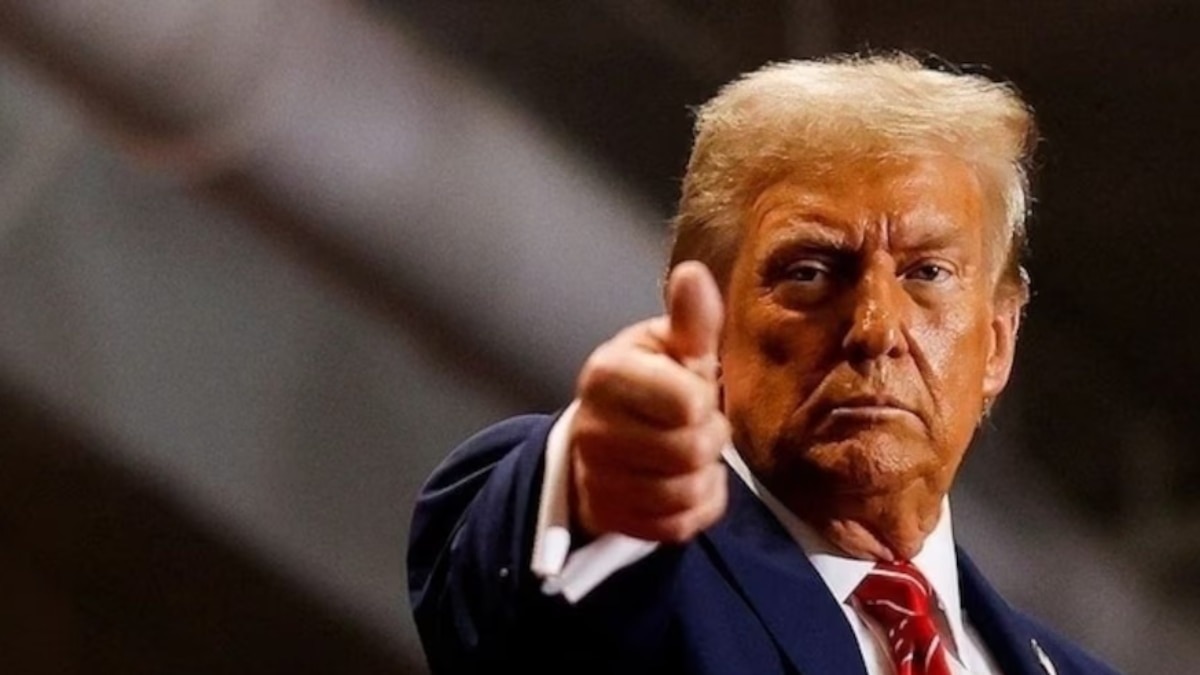
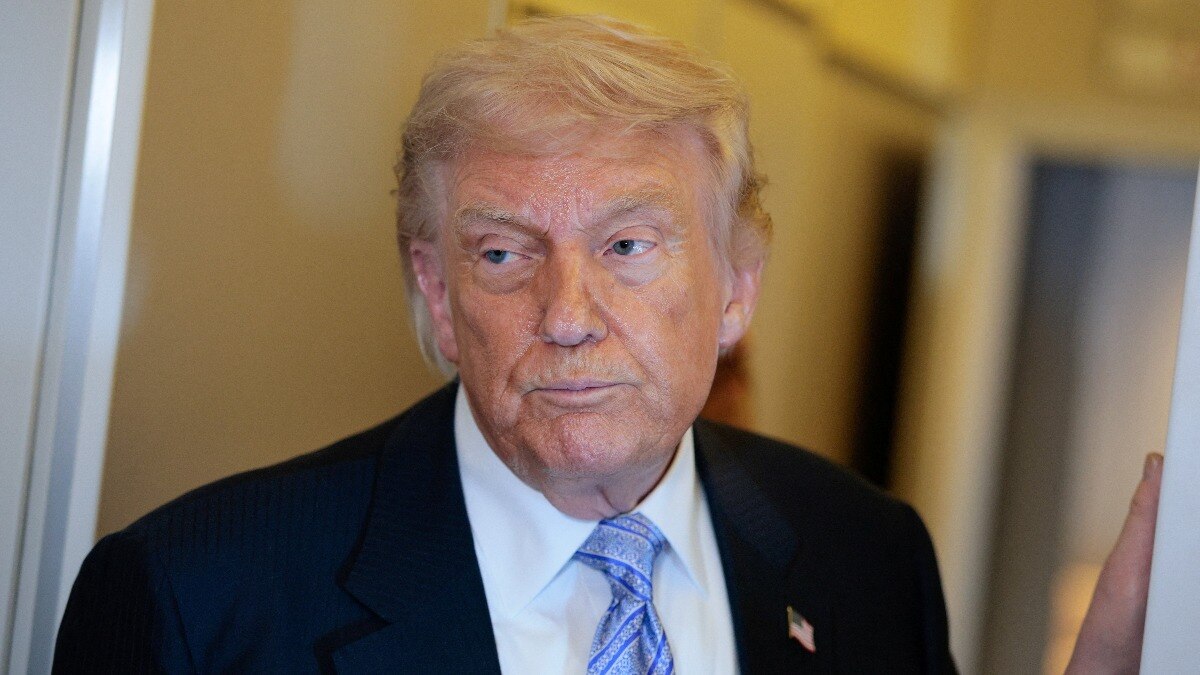
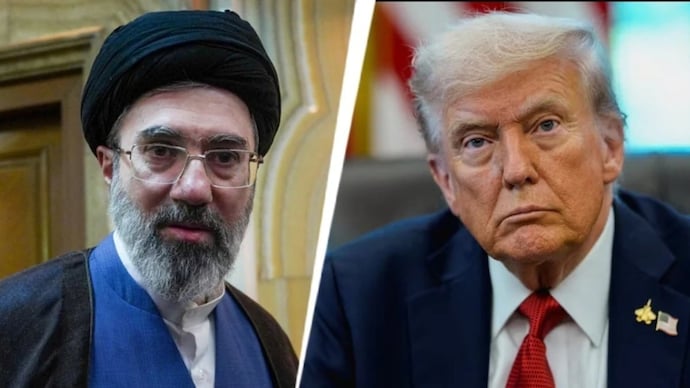
Donald Trump said Gulf leaders asked him to hold off a planned military attack on Iran. Officials from some of those countries later said they knew nothing about the operation.
Trump rejects Iran reply via Pakistan, threatens to finish off targets within two weeks

UPDATED: May 19, 2026 21:58 IST
A day after Donald Trump claimed leaders of Qatar, Saudi Arabia and the United Arab Emirates personally urged him to stop new military attacks on Iran, officials from some of those same countries reportedly said they knew nothing about the operation he described.
Trump had announced on Monday that he decided to "hold off" on a military operation against Iran because Gulf leaders wanted to give diplomacy another chance. According to him, the leaders told him that "serious negotiations are now taking place" and asked Washington not to move forward with an attack that he said had been scheduled for Tuesday.
However, officials from some of those Gulf countries told The Wall Street Journal they had no knowledge of such an imminent military plan.
By Tuesday, Donald Trump appeared closer to war than diplomacy. According to The WSJ, the US President had leaned toward authorising military action against Iran in recent days after advisers and allies argued that a limited strike could pressure Tehran into finally accepting a deal.
TRUMP AGAIN WARNS IRAN OF FRESH ATTACKS
Despite stepping back for now, Trump made it clear that the possibility of military action against Iran is still very much alive. Speaking at the White House, the US President revealed how close Washington had come to another strike. He said he had been "an hour away" from approving fresh attacks before deciding to pause.
He did not rule out military action either. Instead, Trump warned that the US could attack Iran again within days if negotiations failed to produce a deal over Tehran's nuclear programme.
"Well, I mean, I'm saying two or three days, maybe Friday, Saturday, Sunday, something, maybe early next week," Trump said.
He repeated that the US could not allow Iran to obtain a nuclear weapon. Meanwhile, Trump claimed Iranian leaders were now "begging" for a deal.
The mixed messaging has been a part of the ongoing crisis. One day, Trump signals diplomacy. The next, he threatens another strike. Only days earlier, he had warned that "there won't be anything left of them" if talks collapsed.
IRAN OFFERS NEW TERMS
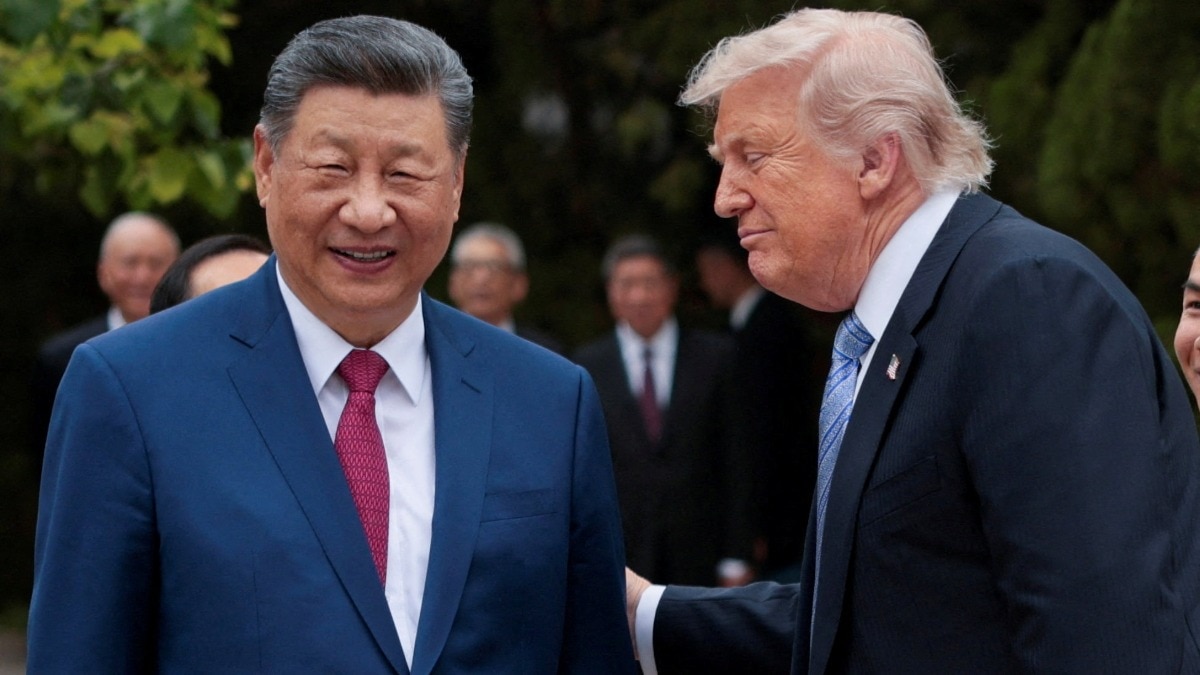
As Washington keeps military pressure on the table, Tehran is once again trying to reopen diplomatic channels through indirect negotiations.
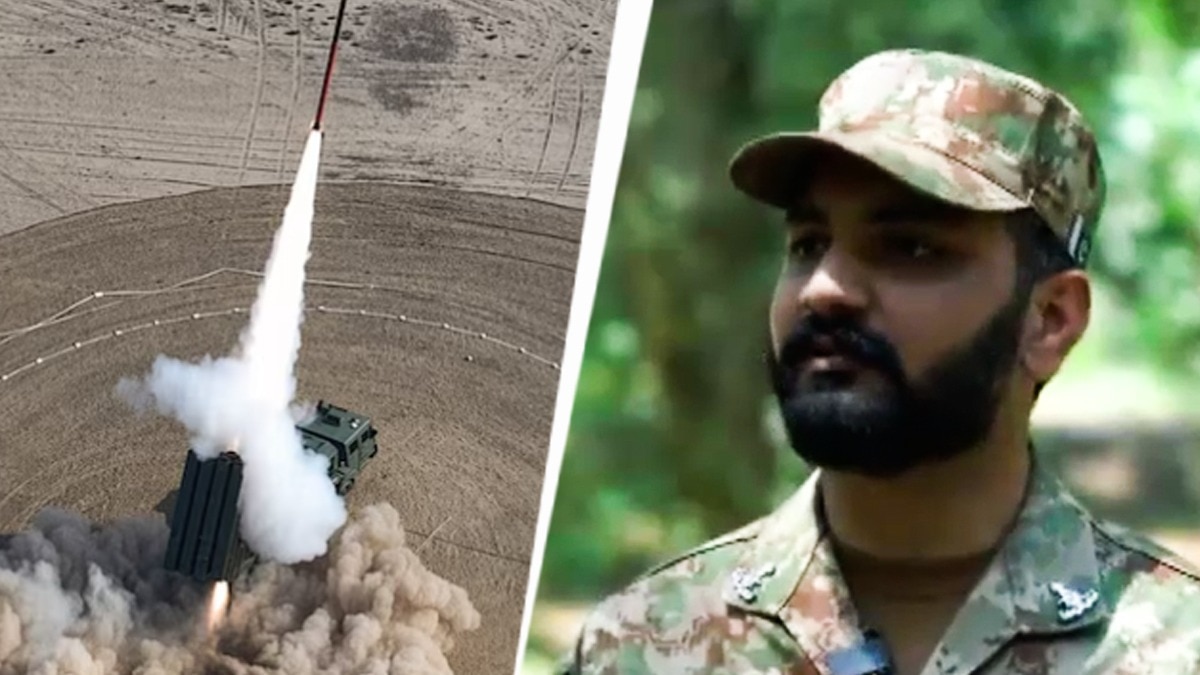
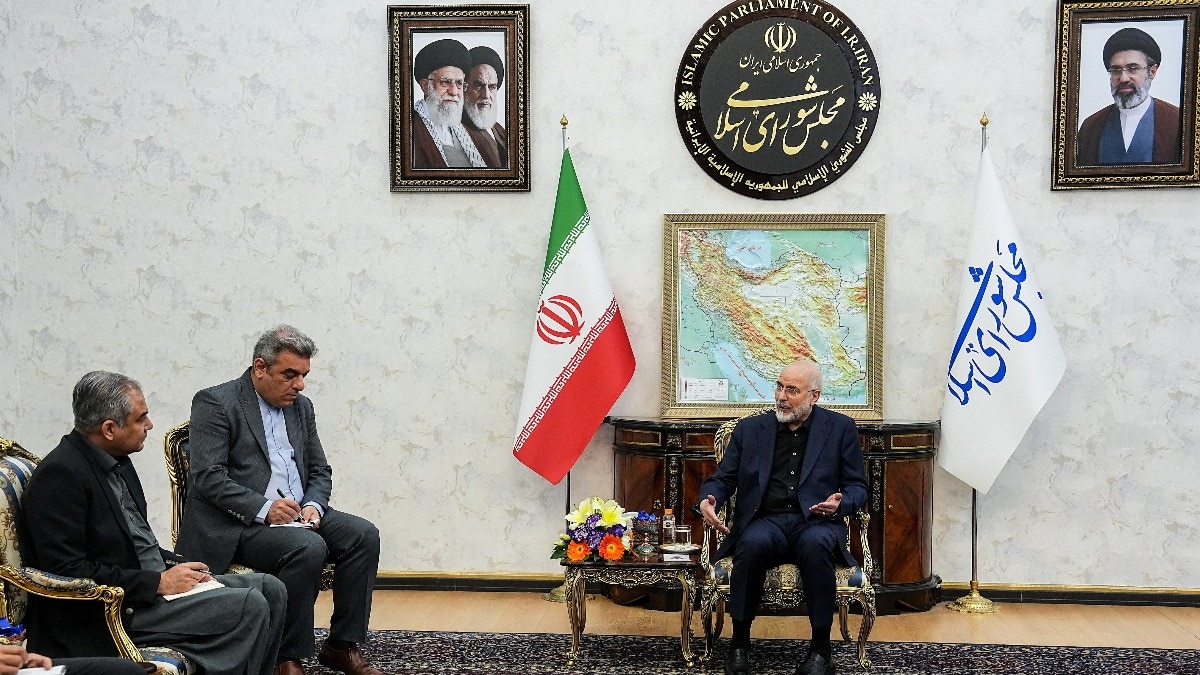
Iranian state media on Tuesday said Tehran's latest 14-point proposal, sent through peace mediator Pakistan, seeks a pause to conflicts across the region, including Lebanon, along with the lifting of US sanctions, the release of frozen Iranian assets and the exit of American forces from areas near Iran. Deputy Foreign Minister Kazem Gharibabadi also said Iran wanted the US naval blockade removed and compensation for damage caused during the war.
But there is little sign yet that the proposal has changed Washington's position. The White House believes it isn't a meaningful improvement and is insufficient, a senior US official told Axios.
The latest Iranian offer appears similar to earlier proposals that Trump had already dismissed as "garbage".
GULF POWERS STRUGGLE TO AVOID CONFLICT
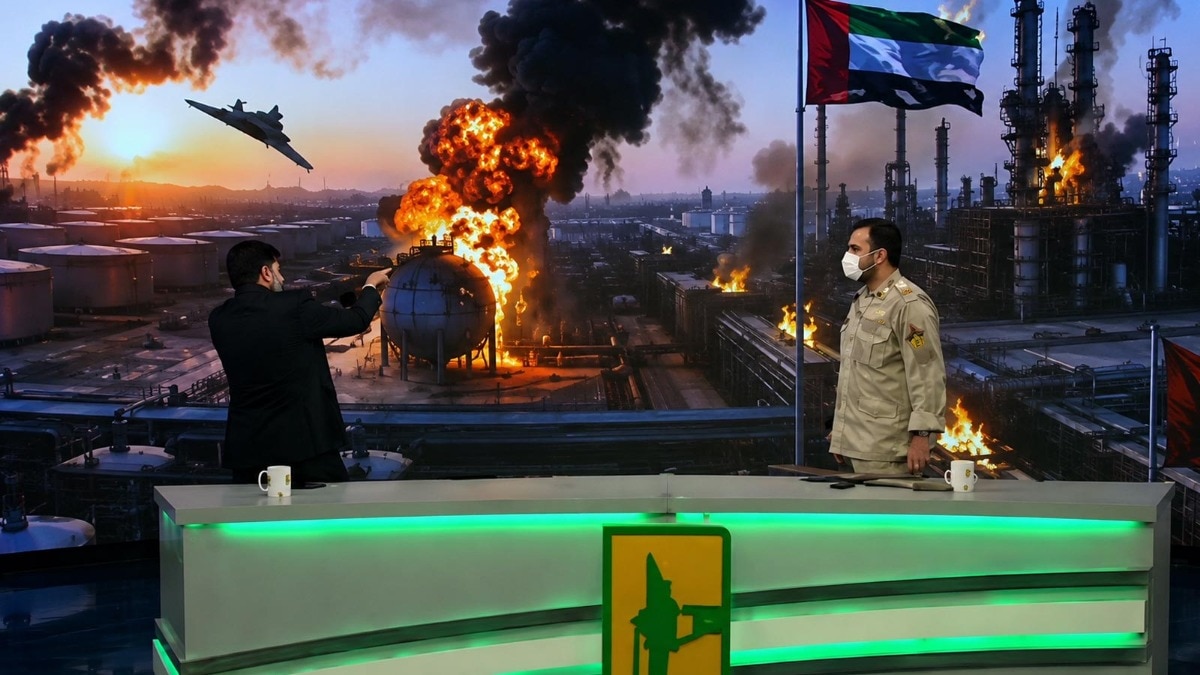
As the standoff deepens, Gulf countries are finding themselves trapped between two rival powers. Nearly three months into the conflict, the crisis has already spilled beyond Iran's borders. Tehran has tried to increase pressure on America's Gulf allies through drone attacks inside the country and seizing control of Strait of Hormuz. Saudi Arabia and the UAE, after facing attacks on their own infrastructure, have reportedly carried out covert strikes on Iranian-linked targets in response.
Much of the world’s attention hangs on the Strait of Hormuz. Even a small escalation or sharp statement from either side quickly pushes oil prices higher.
- Ends
Published By:
Satyam Singh
Published On:
May 19, 2026 21:58 IST