1 month ago
Last Updated:February 11, 2026, 01:33 IST
Senior officials from the Ministries of External Affairs and Commerce conveyed this to the Shashi Tharoor-led Parliamentary Standing Committee on External Affairs, sources said


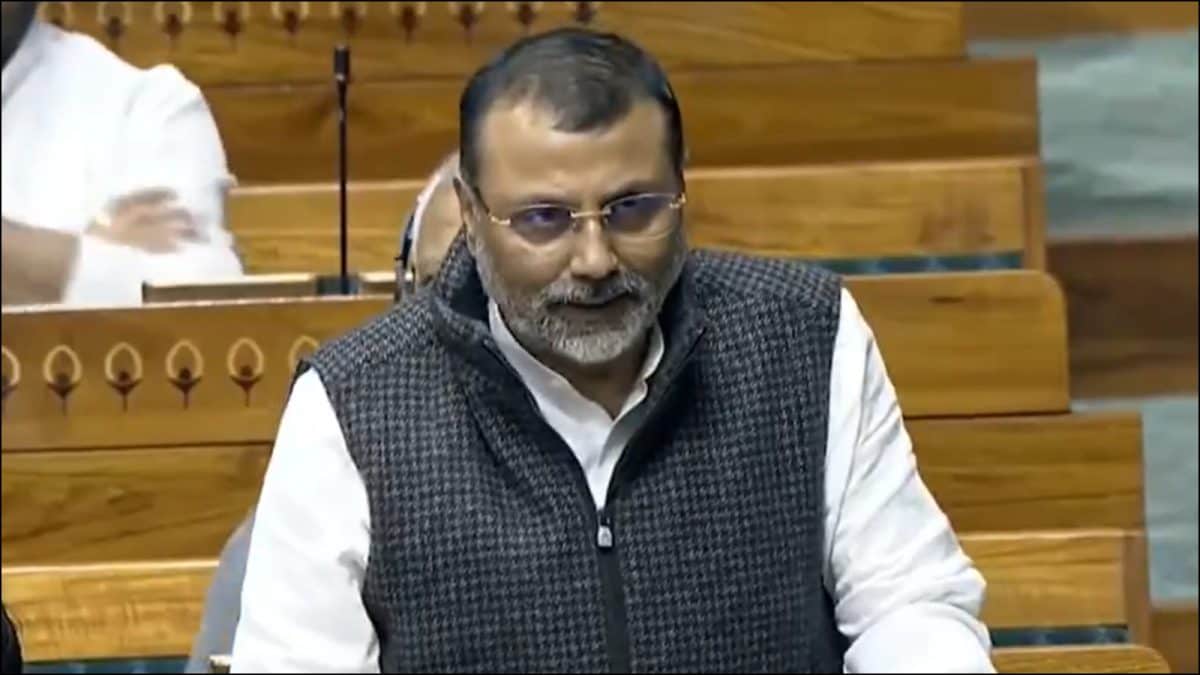
Tharoor said most of the meeting focused on the two major trade agreements, with discussions also covering Russian oil and agricultural imports. File pic/PTI
The government on Tuesday informed a parliamentary committee that India will continue importing crude oil from countries offering the best quality at competitive prices, with oil companies factoring in geopolitical conditions and sourcing only from non-sanctioned suppliers.
Senior officials from the Ministries of External Affairs and Commerce conveyed this to the Parliamentary Standing Committee on External Affairs, chaired by Congress MP Shashi Tharoor, sources said.
The over three-hour-long meeting was attended by 28 of the committee’s 30 members. Describing it as “extremely effective", Tharoor said officials responded to every query in detail and with confidence.
“They answered each question comprehensively. It was an extremely effective meeting and showed what parliamentary committees can achieve," the Congress leader told reporters.
Foreign Secretary Vikram Misri was among the senior officials who briefed the panel, which received detailed presentations on the India-US interim trade agreement and the India-EU Free Trade Agreement.
India-US Trade Deal
Officials told the committee that the India-US interim trade agreement offers significant economic benefits. India has secured preferential access to the $30 trillion US market, with tariffs on key exports reduced from 50 per cent to 18 per cent.
Major employment-generating sectors such as textiles and apparel will now enter the $113 billion US market at substantially lower duties, while silk exports will enjoy zero-duty access. Machinery exports will benefit from tariff cuts in a $477 billion market.
In agriculture, exports worth $1.36 billion—including spices, tea, coffee, fruits, and processed foods—will face no additional duties, while sensitive sectors such as dairy, meat, poultry, and cereals will remain protected.
Officials described the agreement as a balanced and calibrated deal that will boost exports, strengthen MSMEs and manufacturing, and safeguard farmers’ livelihoods. It is expected to help India expand its presence in a $42 billion accessible export segment while strengthening long-term strategic ties with the US.
India-EU FTA
During the presentation, officials also highlighted the benefits of the India-EU Free Trade Agreement, signed in January 2026 and often referred to as the “Mother of All Deals".
Under the pact, exports worth Rs 6.4 lakh crore will gain access to 27 EU countries under a unified framework. Nearly 99.5 per cent of Indian exports by value will receive duty-free or sharply reduced tariff access across the European Union.
Labour-intensive sectors such as textiles, leather, footwear, marine products, gems and jewellery, engineering goods, chemicals, and processed foods will receive immediate zero-duty access. This is expected to boost exports, particularly from states including Gujarat, Maharashtra, Tamil Nadu, Karnataka, Uttar Pradesh, Rajasthan, Kerala, and Andhra Pradesh.
The agreement is projected to generate lakhs of jobs, especially in MSME-driven and export-oriented clusters, benefiting weavers, artisans, coastal communities, and young professionals.
Indian consumers are also expected to benefit from lower tariffs on European cars, wine, spirits, chocolates, machinery, and medical equipment, making high-quality products more affordable and reducing input costs for domestic industries.
Officials said the deal will also facilitate easier mobility for Indian professionals in IT, engineering, and services, while encouraging greater EU investment, technology transfer, and supply chain integration.
Tharoor said most of the meeting focused on the two major trade agreements, with discussions also covering Russian oil and agricultural imports.
Officials informed the committee that efforts are underway to finalise the interim agreement with the US by mid-next month, after which detailed provisions will be made public and discussed in Parliament.
On the proposed 18 per cent reciprocal tariff by the US, officials said international trade has increasingly been “weaponised". They noted that India has secured one of the lowest tariff rates globally.
“Even EU products will face 15 per cent tariffs, while UK products will face 10 per cent in exchange for zero-duty access," they said.
On plans to import goods worth USD 500 billion from the US over five years, officials explained that India currently imports around USD 42 billion annually and that doubling this figure would not be difficult. They added that the target is not binding and carries no penalties.
On India-Bangladesh relations, officials said the government remains in touch with all stakeholders and that the committee will hold a separate discussion after the country’s election results.
Sources said Indian oil companies can now also purchase crude from the US and Venezuela following the lifting of energy sanctions on the latter after a regime change.
The committee has decided to hold further discussions on the India-US trade agreement once the interim deal is finalised next month.
Handpicked stories, in your inbox
A newsletter with the best of our journalism
First Published:
February 11, 2026, 01:33 IST
News politics Govt Assures Parliamentary Panel On Crude Imports, Highlights Gains From US, EU Trade Pacts
Disclaimer: Comments reflect users’ views, not News18’s. Please keep discussions respectful and constructive. Abusive, defamatory, or illegal comments will be removed. News18 may disable any comment at its discretion. By posting, you agree to our Terms of Use and Privacy Policy.
Read More