1 hour ago
The G7 has agreed to release 100 million barrels of oil and fuel products, starting with diesel. The move is aimed at easing record fuel prices as war disruptions squeeze supplies.

Stock photo used for illustration
Washington,Oct 3, 2026 00:20 IST

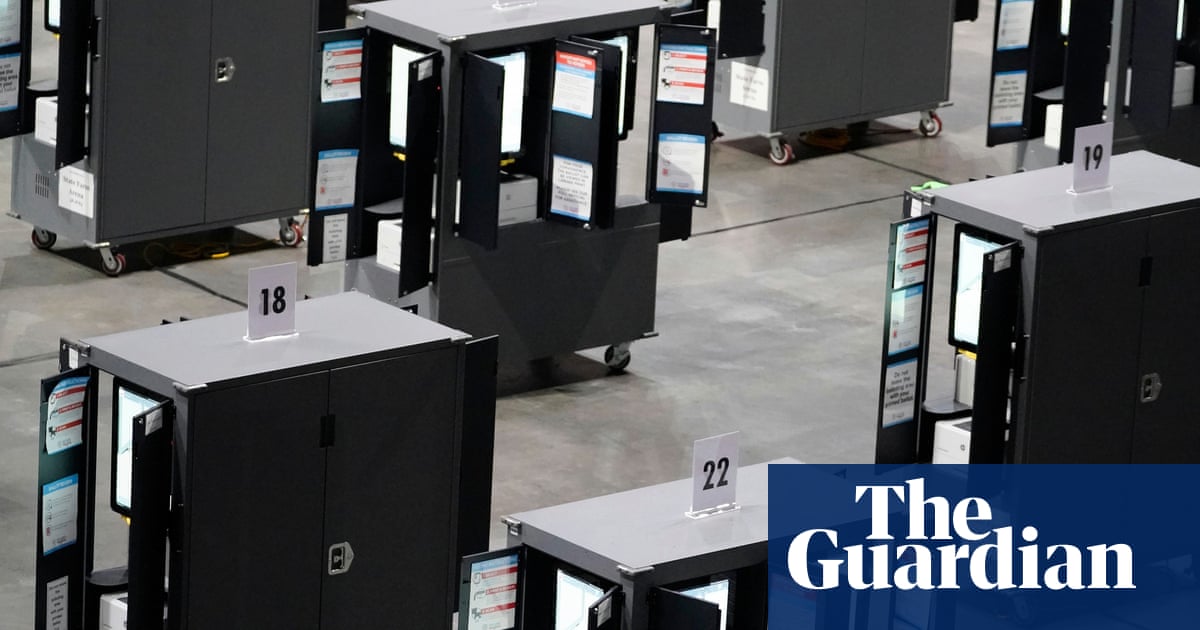
The Group of Seven wealthy democracies said on Friday that they plan to release 100 million barrels of oil and fuel products in the coming weeks, starting with what they described as a substantial release of diesel. The move comes after diesel prices recently hit record highs in the United States and also rose sharply in Europe.
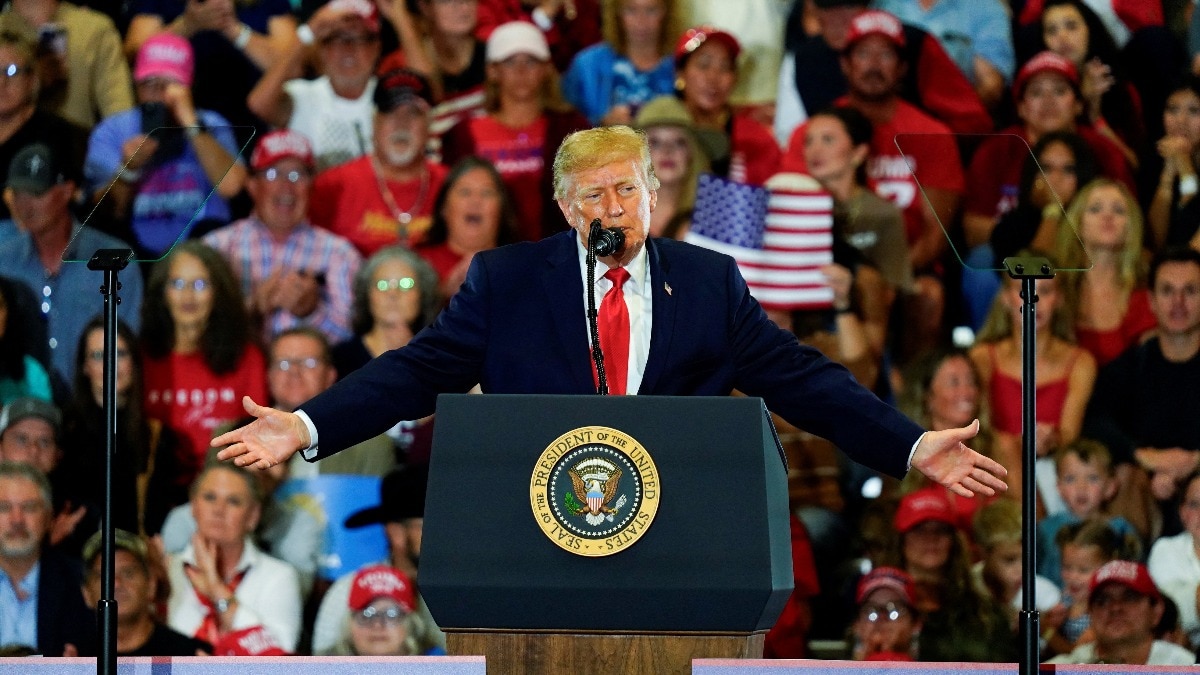
President Donald Trump said the diesel release would happen "immediately", echoing the G7's promise to begin at once with a "frontloaded substantial release" of diesel within the next 20 days, with the rest to follow over four months. The announcement comes as Trump and his Republican Party face pressure over rising prices ahead of the November 3 midterm elections, while his approval ratings on the economy have fallen to a new low, according to an AP-NORC poll.
Gas prices in the US and abroad have risen during the eight-month-long war, a cost Trump has repeatedly said is worth it to ensure that Iran does not obtain nuclear weapons. The national average price of diesel in the US stood at USD 6.37 a gallon on Friday, according to AAA, after reaching a record USD 6.52 on September 22. Diesel prices have also hit records in Europe.
France, which holds the rotating presidency of the G7, announced the decision after a video conference chaired by President Emmanuel Macron. The G7 countries are Canada, France, Germany, Italy, Japan, the UK and the US, along with representation from the European Union. The latest release follows a March announcement under which member countries of the Energy Agency agreed to release 426 million barrels of oil and fuel products to stabilise the market. European Union countries had committed about 92 million barrels, with much of that pledge focused on refined products such as diesel.
"This common decision and this unity should bring down prices," Macron said. "The volumes we're releasing should also add liquidity to the market and bring down prices."
Along with the rise in crude oil prices, the report said other factors behind higher diesel prices include Russia's decision to ban exports after Ukrainian drone strikes on its refineries. Europe does not import Russian diesel, but other buyers of Russian diesel, including Turkey and countries in Latin America, must now compete with Europe for available barrels. Refined product shipments from producers in the Persian Gulf have also fallen because of war damage and blocked export routes.
The statement pushed US oil prices down 2 per cent, but Pavel Molchanov, investment strategy analyst at Raymond James, said the impact was reduced by a lack of clarity over a key issue. He asked whether the 100 million barrels were in addition to the amount already agreed in March, or whether this was "the final portion of the existing pledge".
Some Republicans in the US had called on Trump to ban US diesel exports to bring domestic prices down. But the G7 said the group had agreed not to limit energy exports to one another. Oil market analysts have warned that a US export ban could lower prices in the short term, but later backfire by reducing gasoline supplies because diesel output cannot be cut without also reducing overall refinery production.
According to the French Embassy in the US, Trump spoke overnight with Macron about the need to address rising fuel prices and the availability of petroleum products. Macron then chaired the G7 videoconference on Friday. A White House official, speaking on condition of anonymity because he was not authorised to speak publicly, said Trump also called in to the meeting to negotiate the release of European diesel stockpiles.
Trump on Thursday began what he called a 32-day marathon of rallies to try to help his party retain control of the US House and Senate in the November elections. The president, who has expressed frustration over what he sees as a gap between his record and public opinion, this week gave himself an A-plus for his work on the economy, but said "we're doing an extremely poor job of promotion". Overall, the G7 move is aimed at easing pressure in fuel markets by quickly releasing diesel and other oil products as governments try to respond to rising prices.
With PTI Inputs
- Ends