2 hours ago
Florida's public universities could be barred from hiring employees through the H-1B visa programme for roughly a year under a policy proposal set to be considered later this month. According to a report by US news outlet, Politico, the State University System of Florida's Board of Governors is expected to vote on January 29 on whether to advance the draft policy for public comment.
If approved, the measure would prohibit the trustee boards of all state-run universities in Florida from using the H-1B programme for new hires until January 5,2027.
Universities in Florida, like several other American states, rely heavily on the H-1B programme to staff research labs and academic departments. The University of Florida, for example, employed 253 H-1B workers in fiscal year 2025, according to US government data.
WHY IS FLORIDA TRYING TO FREEZE HIRINGS VIA THE H-1B PROGRAMME?
This proposal follows an October directive from Florida Governor, Ron DeSantis.
DeSantis, a member of the US Republican Party, has been a long time critic of the H-1B visa programme, arguing that universities were deliberately exempting qualified American citizens in favour of foreign immigrants whose salaries were paid with US taxpayers' money.
"Universities across the country are importing foreign workers on H-1B visas instead of hiring Americans who are qualified and available to do the job," DeSantis had declared last year. "We will not tolerate H-1B abuse in Florida institutions." At a press conference, DeSantis urged the system’s leaders to "pull the plug" on H-1B hiring at state universities.
FLORIDA'S RELIANCE ON H-1B VISA HOLDERS
The H-1B visa programme allows US employers to recruit highly skilled foreign professionals for specialised roles, including research and advanced technical positions. Universities across the country, including those in Florida, rely heavily on the programme to staff research labs and academic departments.
Data from the United States Citizenship and Immigration Services (USCIS) shows that the University of Florida, the state’s flagship institution, employed 253 H-1B workers in fiscal year 2025. Florida State University followed with 110 H-1B employees, while the University of South Florida employed 107.
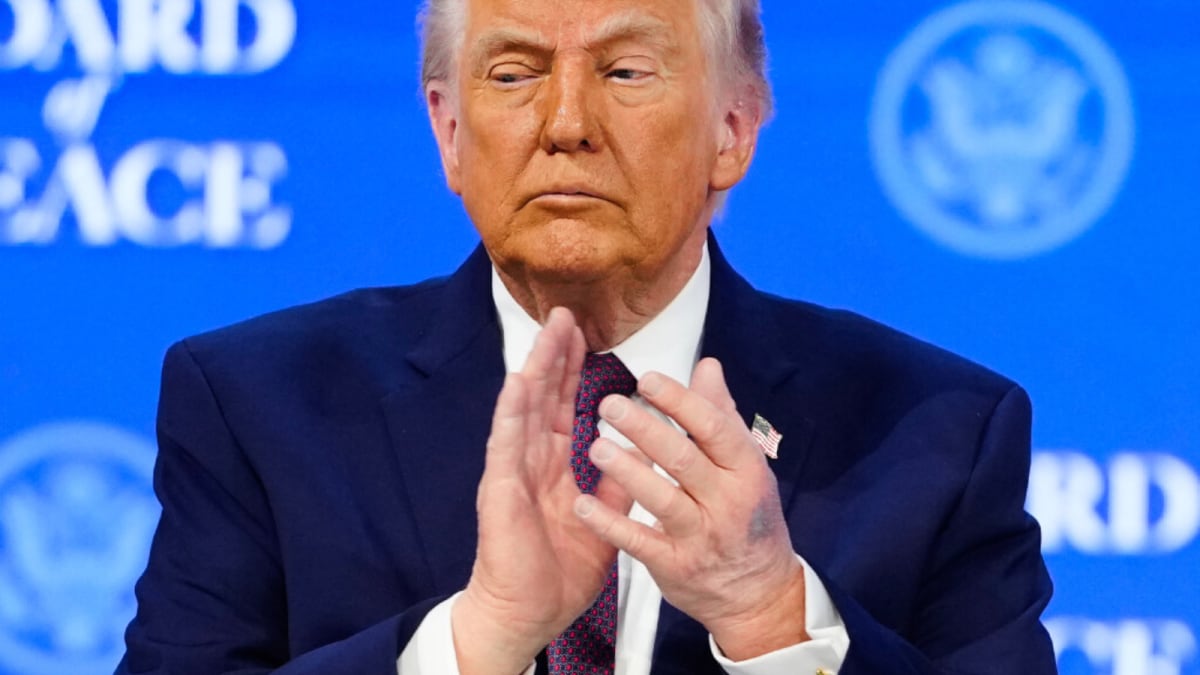
The move aligns Florida’s stance with the broader approach taken by the Trump administration. In September, President Donald Trump issued a proclamation imposing a $100,000 fee on new H-1B visa applications, triggering concern across higher education and other sectors like healthcare and IT that depend on foreign talent.
Nearly three dozen higher education groups have since urged Homeland Security Secretary Kristi Noem to exempt colleges and universities from the fee. According to a Politico report, in an October letter, American Council on Education President Ted Mitchell argued that such an exemption would mirror higher education’s longstanding exclusion from the annual H-1B cap of 85,000 visas.
The fee has also faced legal challenges. While an Obama-era federal judge last month upheld the administration’s authority to impose the charge, the Association of American Universities and the US Chamber of Commerce have appealed the ruling.
- Ends
Published By:
Shounak Sanyal
Published On:
Jan 23, 2026