2 hours ago
Israel has formally recognised Somaliland as a sovereign state, the first country to do so, triggering regional backlash while boosting Somaliland's diplomatic standing and expanding Israel's strategic footprint in the Horn of Africa.
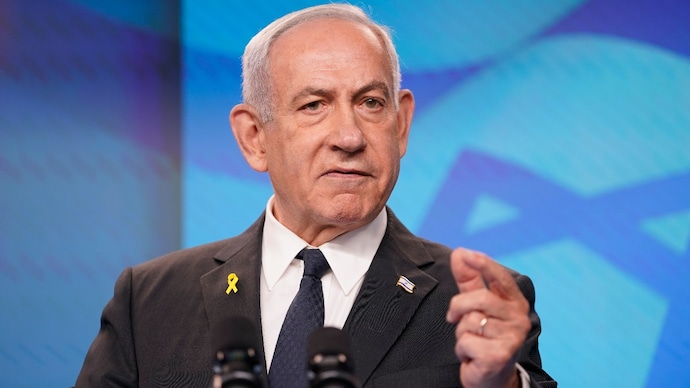
Israeli Prime Minister Benjamin Netanyahu.

New Delhi,UPDATED: Dec 27, 2025 03:29 IST
Israel on Friday announced it had become the first country to formally recognise the self-declared Republic of Somaliland as an independent and sovereign state, a move that could alter diplomatic calculations in the Horn of Africa and sharpen tensions with Somalia.
Prime Minister Benjamin Netanyahu said Israel would move quickly to deepen cooperation with Somaliland in areas including agriculture, health, technology and the economy. In a statement, he congratulated Somaliland President Abdirahman Mohamed Abdullahi, praised his leadership and invited him to visit Israel.
LINKED TO ABRAHAM ACCORDS PUSH
Netanyahu said the recognition was made in the spirit of the Abraham Accords, the US-brokered agreements initiated during US president Donald Trump’s first term that normalised Israel’s relations with several Arab states beginning in 2020, including the United Arab Emirates and Bahrain.
According to an Israeli statement, Netanyahu, Foreign Minister Gideon Saar and Abdullahi signed a joint declaration of mutual recognition. Abdullahi said Somaliland would join the Abraham Accords, calling the move a step toward regional and global peace. He said Somaliland was committed to expanding partnerships, boosting prosperity and contributing to stability across Africa and the Middle East.
REGIONAL BACKLASH
However, the announcement drew swift criticism from the region. Egypt said Foreign Minister Badr Abdelatty held calls with his counterparts from Somalia, Turkey and Djibouti to discuss what they described as dangerous developments in the Horn of Africa.
The ministers condemned Israel’s recognition of Somaliland, reaffirmed their support for Somalia’s unity and territorial integrity, and warned that recognising breakaway regions poses a threat to international peace and security, Egypt’s foreign ministry said.
WHY SOMALILAND MATTERS
Somaliland has operated as a de facto state since 1991, when Somalia descended into civil war. It has its own government, currency and security forces and has remained relatively stable compared with much of Somalia, but until now had failed to secure formal recognition from any United Nations member state.
For Somaliland, recognition by a UN member country could strengthen its diplomatic standing, improve access to international markets and encourage other nations to follow.
For Israel, the decision expands its diplomatic footprint in Africa, aligns with its Abraham Accords strategy and offers a presence in a geopolitically sensitive region near key Red Sea shipping routes.
Israeli analysts say Somaliland’s proximity to Yemen adds strategic weight to the move, as Israel has carried out airstrikes against Houthi targets there in recent years. Somaliland already hosts a United Arab Emirates military base in the port city of Berbera. Analysts have described the base as central to the UAE’s operations against the Houthis.
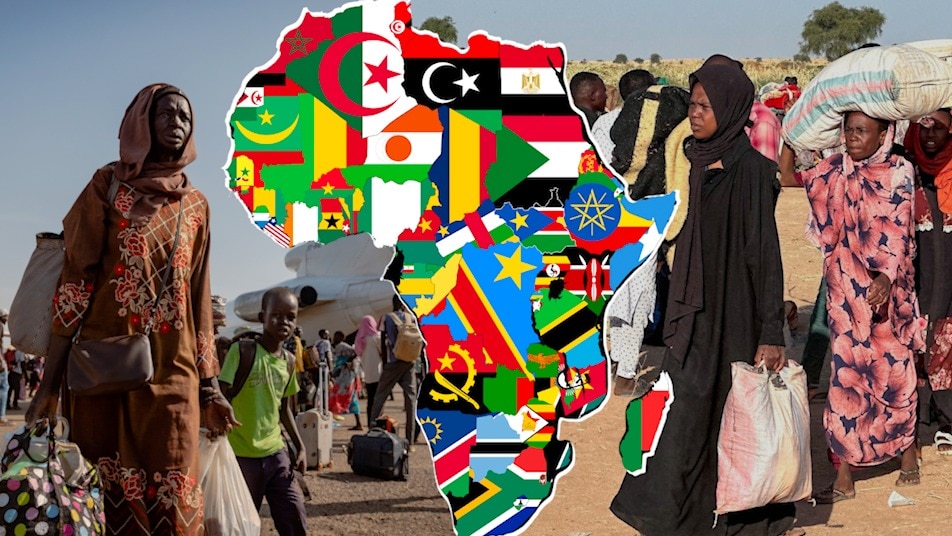
Somaliland’s strategic position along the Gulf of Aden, one of the world’s busiest shipping lanes, has increasingly drawn regional attention. Home to nearly six million people, the territory has found itself at the centre of growing tensions involving Somalia, Ethiopia and Egypt.
- Ends
With inputs from Reuters
Published By:
Aashish Vashistha
Published On:
Dec 27, 2025