 1 month ago
What happens when cinema begins to dream beyond the limits of reality itself? In truth, films were never meant to remain confined to realism alone. Across generations, audiences have always been drawn to grand cinematic spectacles, fantasy and wonder. What has changed today is the scale and precision with which filmmakers can bring those dreams alive.
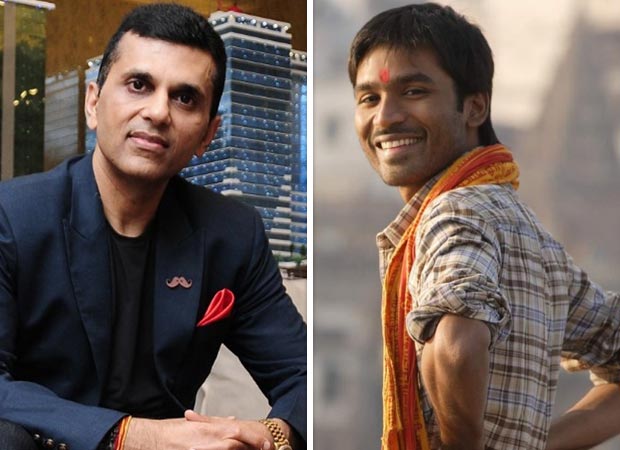 EXCLUSIVE: Anand Pandit on how technology is reshaping cinema, but emotion still remains its soul; cites example of Raanjhanaa’s AI-modified re-release
From silent films to talkies, black and white to colour, 35mm to 70mm, CinemaScope, Dolby Sound and IMAX, cinema has continuously moved alongside technology to create richer viewing experiences. But today, technology is doing far more than improving presentation. Artificial Intelligence, virtual production and advanced visual effects are shaping the way stories are imagined, mounted and experienced, and Indian cinema is stepping into this phase with confidence and curiosity.
Even before digital technology became central to filmmaking, Indian cinema was creating grand visual worlds through imagination, craftsmanship and sheer human effort. When Mughal-e-Azam became a landmark success, it showed how studio spaces could be transformed into majestic royal settings that still hold their charm today. Similarly, Sholay turned the rugged terrain of Ramanagaram into a world inseparable from the film’s impact. What made these films memorable was not technology alone, but the way every visual detail strengthened the storytelling.
Now in 2026, filmmakers have strong references from global cinema that show how far technology can take visual storytelling. The Avatar films changed the visual language of modern cinema through motion capture and digital worlds that felt astonishingly alive. Movies like Dune: Part Two and The Lion King showed how virtual cinematography and photoreal imagery can blur the line between reality and imagination. These tools are no longer confined to Hollywood. Indian filmmakers too are adapting similar techniques while telling stories that remain emotionally familiar to Indian audiences.
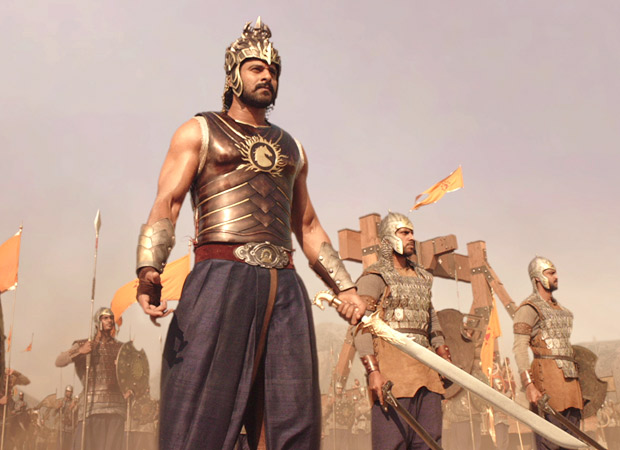
This growing confidence became more visible with the Baahubali franchise, which proved that our cinema could also create cinematic worlds on a scale comparable to global productions. Yet, what truly stayed with audiences was the emotional intensity beneath the spectacle. The kingdom of Mahishmati became memorable not merely because of its scale, but because audiences emotionally invested in the relationships, conflicts and power struggles that shaped its world.
When RRR arrived in 2022 from the same director, it embraced stylised action and digital effects, but its core remained rooted in friendship and resistance. Similarly, Brahmastra: Part One Shiva attempted to blend fantasy storytelling inspired by Indian mythology with advanced CGI techniques. These films show that technology becomes most effective when audiences care deeply about the people at the centre of the spectacle.
Indian filmmakers are also now experimenting with futuristic storytelling and franchise filmmaking on a larger scale. Kalki 2898 AD stands as one of India’s boldest science fiction attempts yet, combining dystopian imagery with digital world building. At the same time, films like Lokah - Chapter One: Chandra from Malayalam cinema show how regional industries too are exploring superhero narratives while retaining a local emotional flavour.
Meanwhile, films like Tumbbad show how technology can be used with restraint. Its visual effects strengthened the mood and psychological tension of the story without overwhelming it. Sometimes the best use of cinematic technology is the kind audiences barely notice.
Of course, technological ambition also comes with challenges. Audiences today are highly aware of cinematic craft, and they quickly notice when visual scale is not supported by emotional depth or convincing graphics work. Since viewers are constantly exposed to world class content through streaming platforms, even small flaws can become subjects of ridicule rather than admiration.
Beyond visual effects, Artificial Intelligence is also beginning to influence filmmaking in a major way. AI is shaping editing, dubbing, restoration and preproduction planning. Indian studios are already exploring AI assisted multilingual dubbing and postproduction systems for Pan Indian releases across different languages.
However, the rise of AI has also sparked creative and ethical debates. The discussions surrounding the AI modified re-release of Raanjhanaa and the lead actor expressing discomfort over changes to the film’s ending highlighted an important truth – technology can support storytelling, but it cannot create emotional honesty on its own.
In summation, Indian cinema today stands at a fascinating point where technology is opening new creative possibilities while emotion continues to remain the foundation of cinematic connection. The tools may change with every passing year, but the essence of cinema still lies in its ability to move people. Because audiences may admire the spectacle, but they remember the feeling it leaves behind.
More Pages: Raanjhanaa Box Office Collection , Raanjhanaa Movie Review
Tags : AI, Anand Pandit, Baahubali, Bollywood Features, CinemaScope, Dolby Sound, Exclusive, Features, Franchise, IMAX, Raanjhanaa
BOLLYWOOD NEWS - LIVE UPDATES
Catch us for latest Bollywood News, New Bollywood Movies update, Box office collection, New Movies Release , Bollywood News Hindi, Entertainment News, Bollywood Live News Today & Upcoming Movies 2026 and stay updated with latest hindi movies only on Bollywood Hungama.