 2 hours ago
Last Updated:February 28, 2026, 12:55 IST
'Don't want to strike, but sometimes you have to': Trump claims Iran is rebuilding its nuclear, missile programs. What have US agencies said? Is the threat real? News18 explains


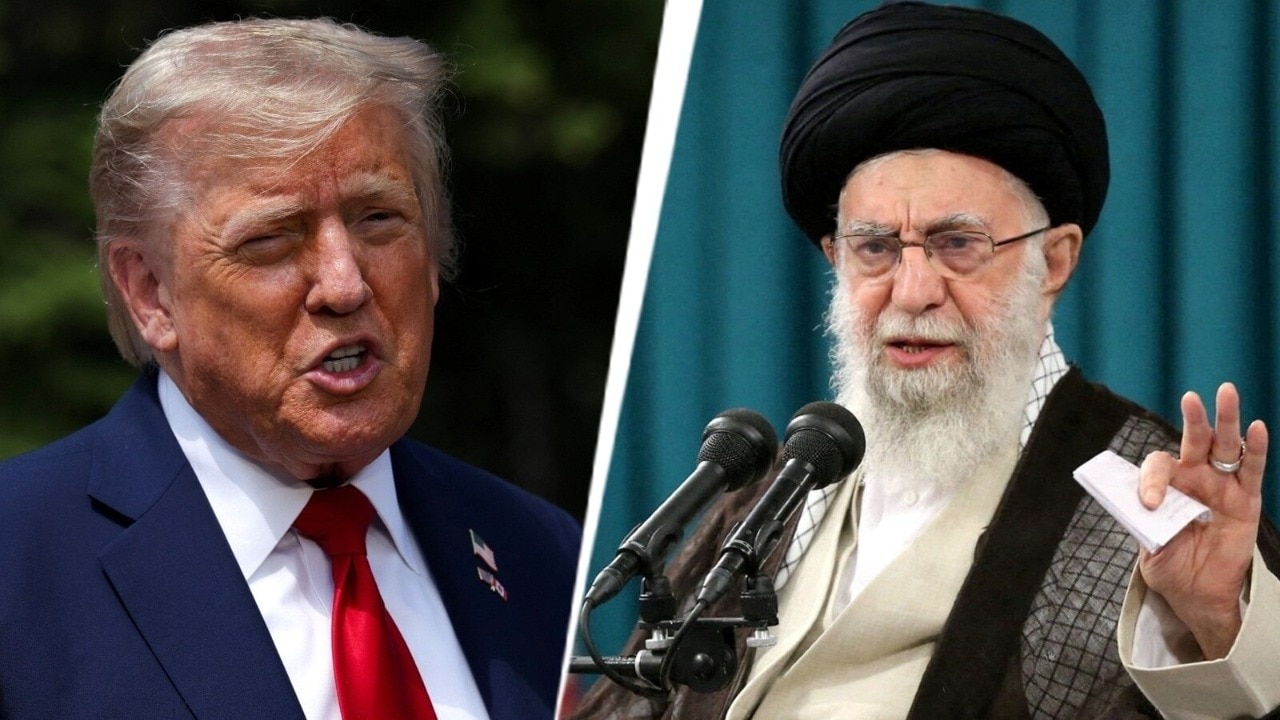
Donald Trump said he would never allow Iran to have a nuclear weapon and accused Iran of trying to restart its nuclear weapons program despite US strikes last year. (News18 Creative)
US President Donald Trump, in his State of the Union speech to Congress, laid out a case for a possible attack on Iran, saying he would not allow what he called the world’s biggest sponsor of terrorism to obtain a nuclear weapon.
Trump said he would never allow Iran to have a nuclear weapon and accused Iran of trying to restart its nuclear weapons program despite U.S. strikes last year. Trump, on February 27, framed the nuclear issue alongside Iran’s ballistic missiles and terrorism support, and said Iran had not yet uttered the words “we will never have a nuclear weapon."
How close is Iran to making a nuclear bomb or missile to strike US? Iran’s weapons program, explained
‘Missiles that can reach US’: What did Donald Trump say?
According to Trump, Iran had developed missiles that can threaten Europe and U.S. bases overseas and is “working to build missiles that will soon reach the United States of America".
He said the US air strikes he ordered last June known as Operation Midnight Hammer had “obliterated" Iran’s nuclear weapons program but Tehran was “starting it all over" and was “at this moment again pursuing their sinister ambitions".
Trump called Tehran’s support for militant groups, the killings of anti-government protesters in January and the country’s missile and nuclear programs threats to the region and the United States.
Trump said he was “not happy" with the progress of ongoing nuclear negotiations with Iran, and stressed that Iran must clearly renounce nuclear weapons, and indicated negotiators would be given more time to try to secure an agreement. Trump publicly warned, amid stalled negotiations, that “sometimes you have to use force," signaling that military options remain under consideration if diplomacy fails and Tehran won’t meet U.S. nuclear demands.
What other US leaders, officials have said
On February 24–25, Secretary of State Marco Rubio provided classified briefings to U.S. lawmakers before the State of the Union, emphasizing rising threats from Iran’s nuclear program and missile developments, noting the U.S. military buildup nearby.
On February 26, U.S. envoys and Iranian officials held a fresh round of nuclear talks in Geneva mediated by Oman. While not formal public policy remarks, U.S. officials characterized discussions as important to avoid war and stressed U.S. demands on Iran’s nuclear capabilities and related issues.
Rubio issued a directive on February 23 telling U.S. officials to refrain from public comments that could disrupt delicate negotiations with Iran.
In the context of overall pressure on Tehran, the U.S. designated Iran as a “state sponsor of wrongful detention", tying human rights concerns to broader strategic tensions (including nuclear talks).
Do US agencies feel the same?
Iran has an estimated 275 kg to 441 kg of uranium enriched to 60% purity, which is close to weapons-grade (90%) and could potentially be used for multiple devices if processed further.
The US Defense Intelligence Agency has said that Iran has space-launch vehicles from which it could develop a militarily-viable intercontinental ballistic missile by 2035, should it choose to pursue the capability. Iranian state media has claimed that Tehran is developing a missile capable of reaching the United States, Reuters reported.
Missile expert Jeffrey Lewis, of the Middlebury Institute of Studies, in California, said the DIA estimate seemed “very conservative" given that Iran had since 2013 been co-developing an engine with North Korea that Pyongyang has used for multiple iterations of its ICBMs, that are capable of reaching the U.S.
Did US strikes impact Iran’s nuclear program?
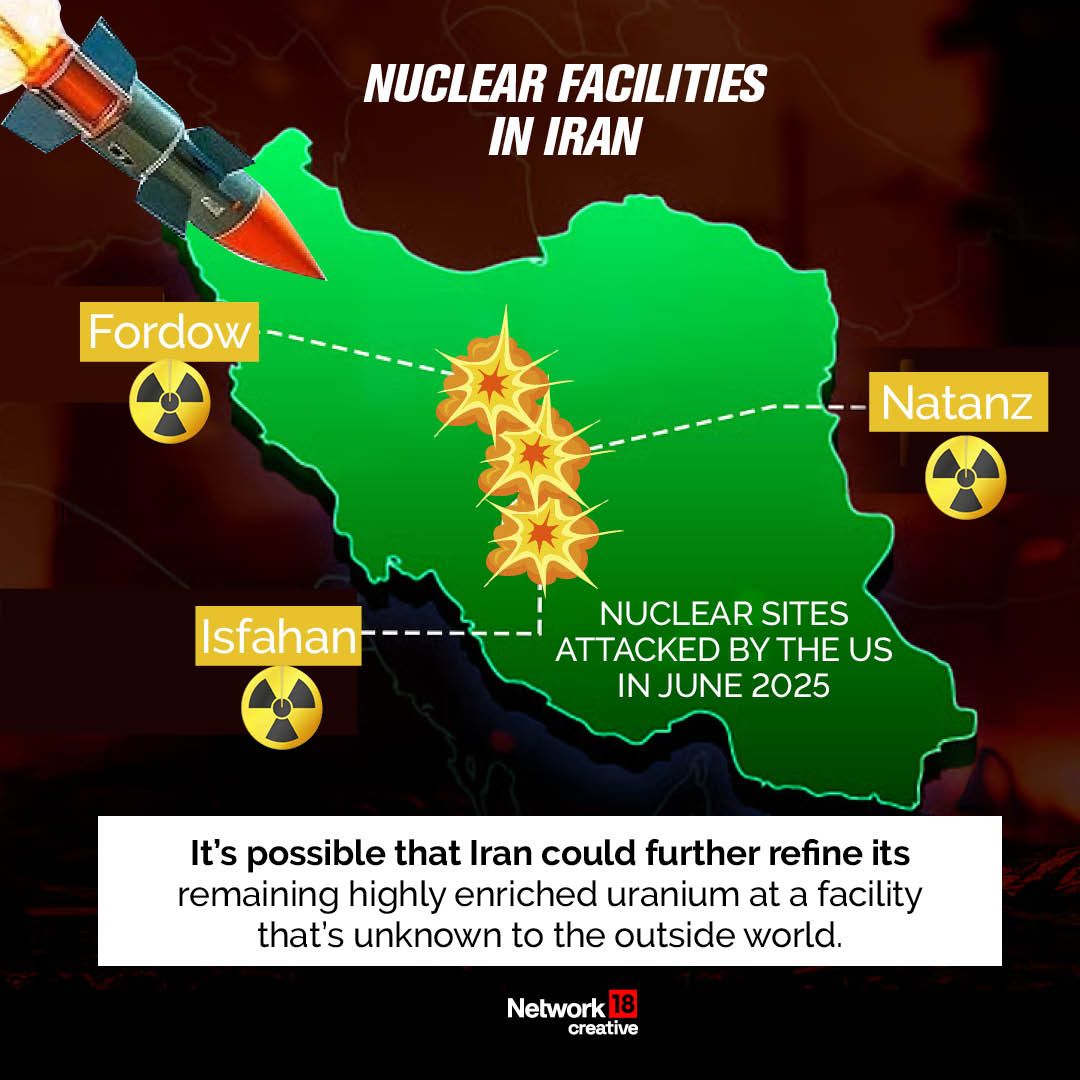
All three of the plants in which Iran is known to have produced enriched uranium, which can be used as fuel for power plants and nuclear bombs depending on its purity, were hit in US strikes on Iran last June.
While Trump repeatedly said after the strikes that Iran’s nuclear facilities were obliterated, the director-general of the U.N.’s Atomic Energy Agency (IAEA), Rafael Grossi, said last June that Iran could start enriching uranium again on a more limited scale within months.
The IAEA says it has inspected all 13 declared nuclear facilities in Iran that were not bombed, but has been unable to inspect any of the three key sites that were hit in June: Natanz, Fordow or Isfahan.
How close is Iran to a nuclear bomb?
One reason the United States and Israel gave for the June bombings was that Iran was getting too close to being able to produce a nuclear weapon. The IAEA and the U.S. intelligence community have separately assessed that Iran shuttered a nuclear weapons development program in 2003.
While Special Envoy Steve Witkoff suggested Iran is “probably a week away" from bomb-making material, other officials and inspectors note that 2025 military strikes on sites like Natanz and Fordow significantly hindered their immediate capabilities.
Tehran denies ever seeking nuclear weapons but as a party to the Non-Proliferation Treaty, says it has the right to enrich uranium for civilian purposes.
Western powers say there is no credible civil justification for Iran’s enrichment of uranium to the levels it has produced, and the IAEA has said it is of serious concern. No other country has done so without eventually producing nuclear weapons.
In its 2025 annual worldwide threat assessment, the US intelligence community said it continued to assess that “Iran is not building a nuclear weapon and that (Supreme Leader Ali) Khamenei has not reauthorized the nuclear weapons program he suspended in 2003, though pressure has probably built on him to do so".
Trump later repudiated Director of Intelligence Tulsi Gabbard’s assessment, saying that she and the US intelligence community were wrong and that Iran was “very close" to having a nuclear weapon. But he provided no evidence supporting his assertion.
Trump mentions killing of protesters
In his Tuesday address, Trump repeated a charge that Iran has killed at least 32,000 protesters in the past couple of months, figures that could not immediately be verified.
The US-based group HRANA, which monitors the human rights situation in Iran, said in a report this week that it has recorded 7,007 verified deaths and has 11,744 under review.
Hours after Trump first mentioned a 32,000 death toll last week, Iranian Foreign Minister Abbas Araqchi said Tehran has already published a “comprehensive list" of all 3,117 killed in the unrest.
An Iranian official told Reuters last month authorities had verified at least 5,000 deaths, including about 500 security personnel.
With Reuters, Agencies inputs
First Published:
February 28, 2026, 12:16 IST
News explainers Does Iran Have A Nuclear Bomb Or A Missile That Can Reach US Like Trump Claimed? Explained
Disclaimer: Comments reflect users’ views, not News18’s. Please keep discussions respectful and constructive. Abusive, defamatory, or illegal comments will be removed. News18 may disable any comment at its discretion. By posting, you agree to our Terms of Use and Privacy Policy.
Read More