1 hour ago
Last Updated:February 23, 2026, 16:43 IST
The key issue is whether confrontation will strengthen the US President's image as a decisive commander-in-chief or saddle his party with the risks of another costly conflict


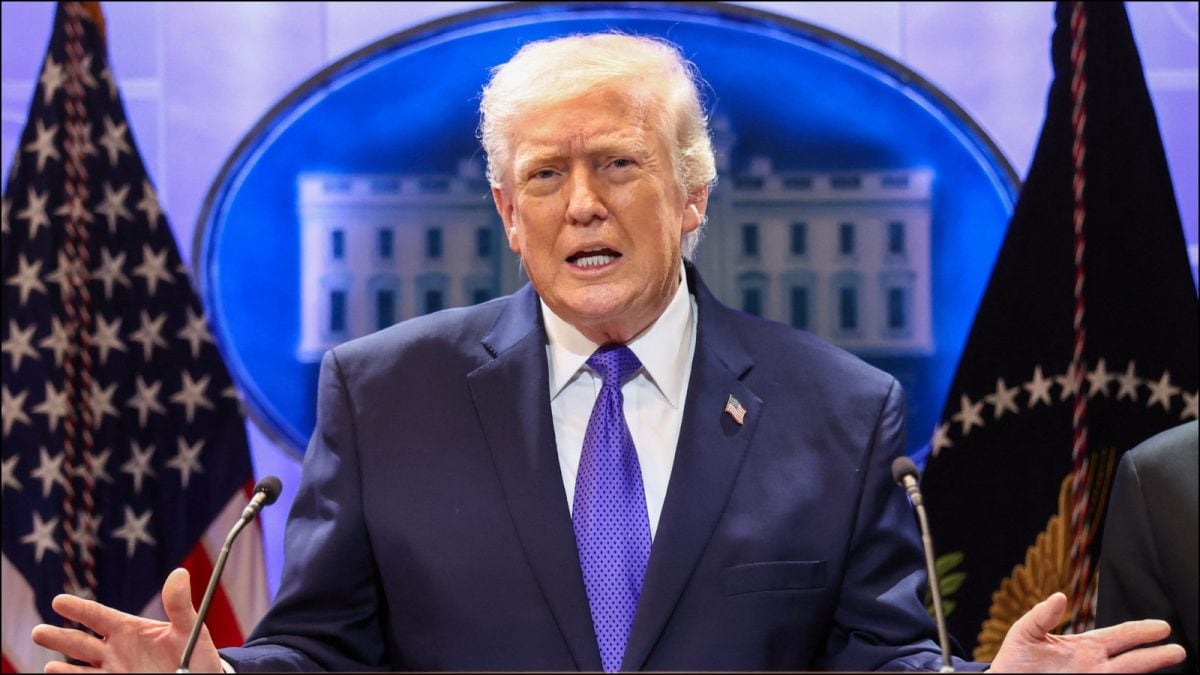
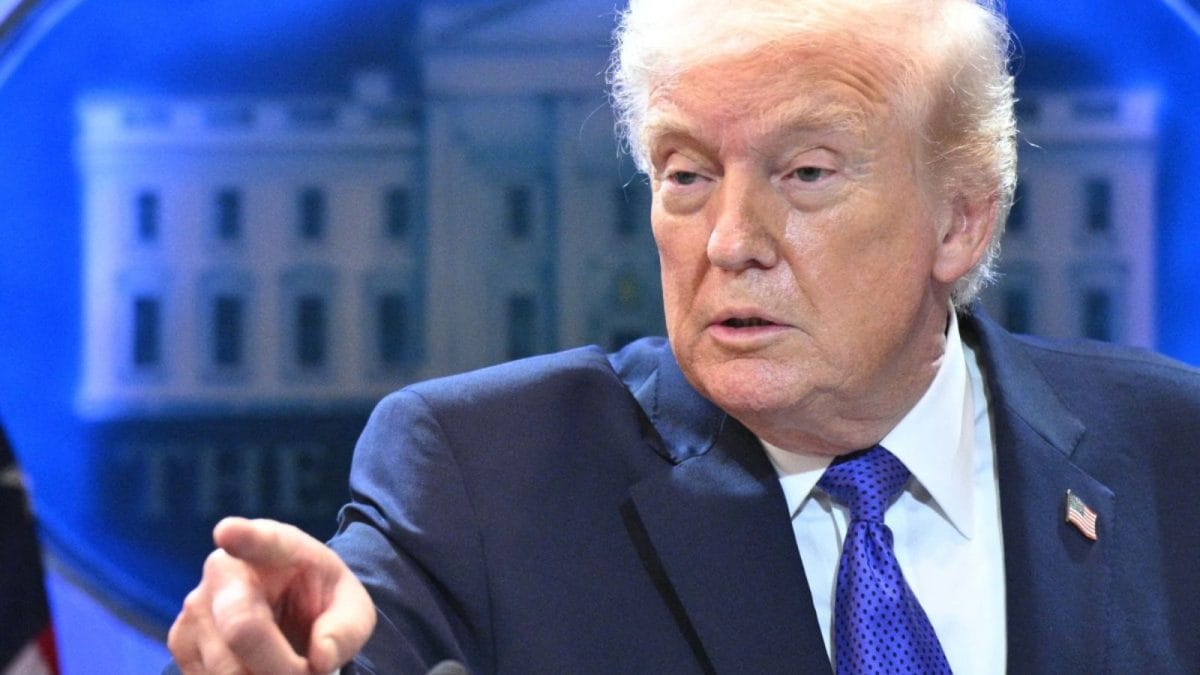
Senior White House officials and campaign aides have urged Trump to emphasise economic messaging rather than a foreign conflict, noting that costs of living and inflation remain top voter concerns. (AFP)
What does Donald Trump really want in Iran?
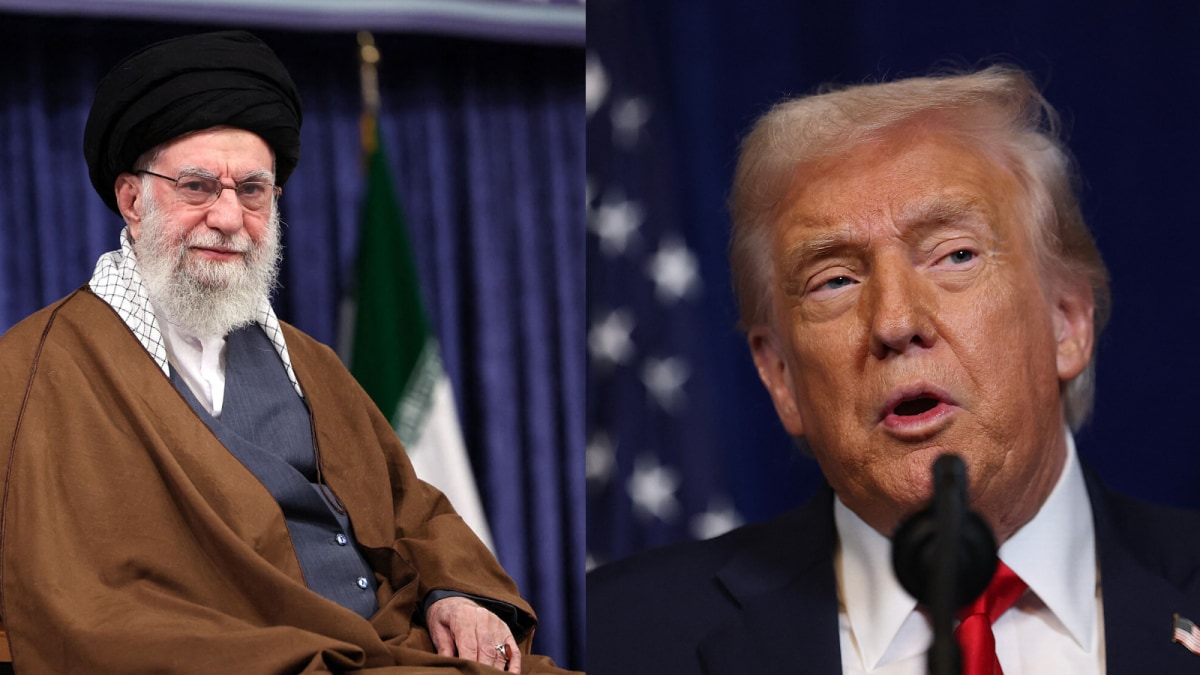
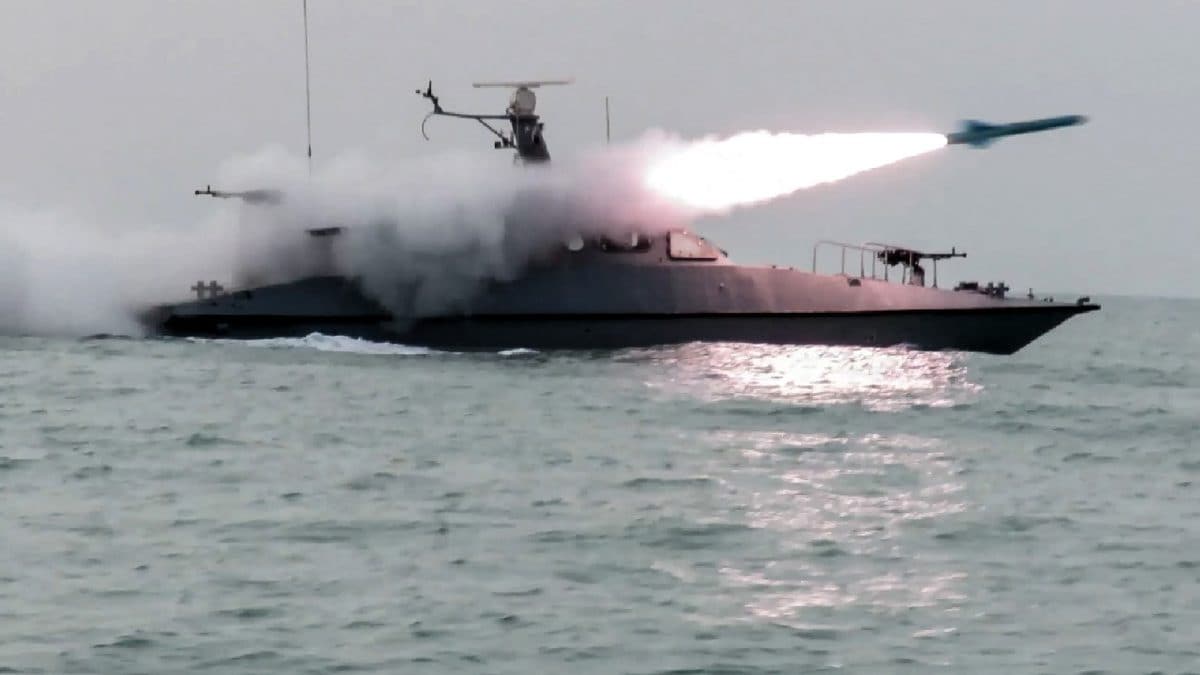
The US President’s threats to attack Iran provide little detail on what America’s long-term goal would be in case of a sustained or even brief conflict. Will Trump, who has sent warships and dozens of fighter planes to the Middle East, order surgical strikes targeting Iran’s Islamic Revolutionary Guard Corps, try to take out its missile programme—as Israel wants him to do—or even try to force regime change in Tehran?
The strategic ambiguity is not just a military question but a political one. Any decision to strike Iran will reverberate far beyond the Middle East, shaping how American voters judge Trump’s leadership ahead of the mid-term elections. The key issue is whether confrontation will strengthen his image as a decisive commander-in-chief or saddle his party with the risks of another costly conflict.
The political conundrum, ahead of the November 2026 mid-term elections, has been aggravated due to the large US military build-up in the Middle East, which has raised the spectre of conflict after months of heightened tensions over Tehran’s nuclear programme and regional activities.
Not everyone is happy with Trump’s elevated focus on Iran. According to several media reports, some advisers and Republican strategists argue that military escalation could distract from the domestic issues voters care about most, particularly the economy, which is historically central to mid-term outcomes. As per KUTV, senior White House officials and campaign aides have urged Trump to emphasise economic messaging rather than a foreign conflict, noting that costs of living and inflation remain top voter concerns.
Trends show that a significant portion of Americans are sceptical about entering a new conflict in the Middle East, reflecting common post-Vietnam and post-Iraq war attitudes that foreign policy carries limited weight in midterm elections compared with everyday economic pressures. Analysts who study electoral dynamics say foreign policy typically does not drive midterm results unless tied directly to national security threats at home.
The view is not limited to Trump’s detractors. Within his own political base too, there is support for decisive, limited military action against Iran, especially if framed as defending US interests or countering Tehran’s nuclear ambitions. However, broad public opposition to protracted foreign engagement raises concerns that a larger or sustained conflict could alienate independent voters, which make up a key bloc in competitive House and Senate races.
Critics argue that the administration’s messaging around Iran has lacked clarity, shifting from humanitarian concerns over Iran’s internal protests to broader goals of ending its nuclear programme. This inconsistency, coupled with Trump’s historical campaign promise to end “forever wars", could undermine efforts to tie any military action to clear strategic gains at home.
Experts argue that while foreign policy and national security can shape perceptions of presidential leadership, historical patterns and current polling suggest that a war with Iran is unlikely to deliver a clear electoral boost for Trump.
Most mid-term voters prioritise economic issues, and significant opposition to a new foreign conflict, even among parts of Trump’s own coalition, means military escalation could be a political risk rather than a reward. Unless Washington can convincingly tie actions in Iran to tangible benefits for US voters’ lives at home, any conflict may complicate, rather than simplify, Republican prospects in November 2026.
Handpicked stories, in your inbox
A newsletter with the best of our journalism
Location :
United States of America (USA)
First Published:
February 23, 2026, 13:13 IST
News explainers Could Iran War Risk Hurt Trump In 2026 Midterm Polls?
Disclaimer: Comments reflect users’ views, not News18’s. Please keep discussions respectful and constructive. Abusive, defamatory, or illegal comments will be removed. News18 may disable any comment at its discretion. By posting, you agree to our Terms of Use and Privacy Policy.
Read More