1 hour ago
Canada suspended trade talks with the United States after Washington imposed steep new tariffs. The breakdown signals a lasting rupture in the relationship as both sides prepare retaliation.

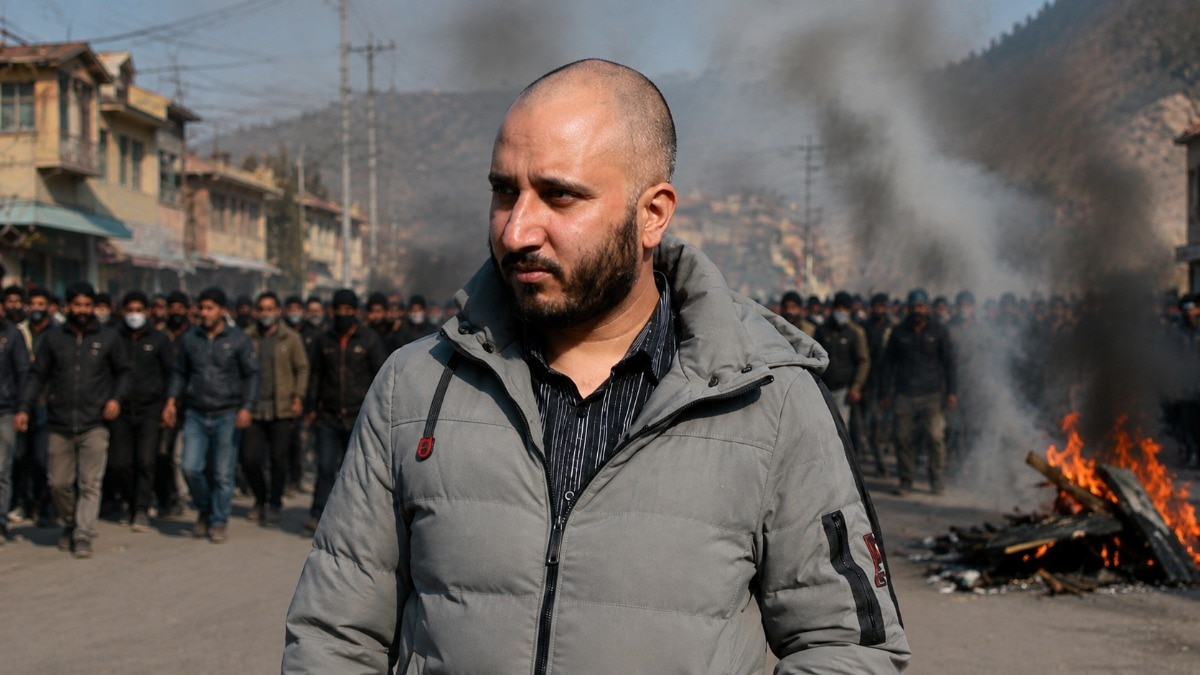
Image used for representational purposes only

Toronto,UPDATED: Aug 22, 2026 21:22 IST
Canada and the United States are facing the risk of a full-scale trade war after talks to resolve their tariff dispute collapsed, marking a sharp break in one of the world’s closest alliances. Prime Minister Mark Carney said Canada had recognised that “America has changed” and that the two countries would “not return to our old relationship”.
The United States imposed 50 per cent tariffs on about USD 20 billion worth of Canadian goods early Saturday, and Canada said it would match the import taxes dollar for dollar. Carney suspended negotiations and ordered Canada’s trade team home after accusing Washington of last-minute changes that were “unfair, uneconomic, and called into question the reliability of any deal”.
Carney had signalled this shift earlier in January at the World Economic Forum in Davos, where he said the world was experiencing “a rupture, not a transition” and urged countries such as Canada to reduce their vulnerability to economic coercion by strengthening their economies at home and diversifying abroad.
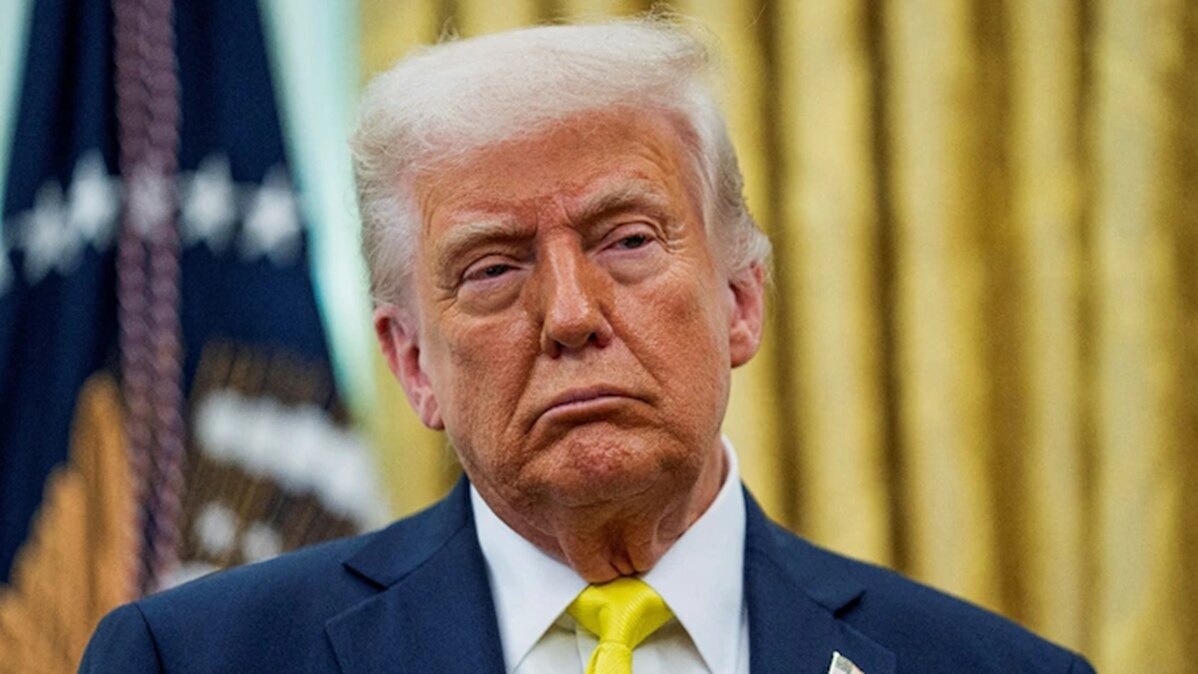
Daniel Bland, a political science professor at McGill University in Montreal, said, “The collapse of the tariff talks points to the fact that the old Canada-US relationship is over and, for many Canadians, it also confirms the perception that Canada can’t trust the Trump administration.” Pressure from US President Donald Trump has gone beyond tariffs. He has questioned Canada’s economic viability, repeatedly spoken about making it the 51st US state, and used trade measures to press for more production in the United States.
The dispute has also affected travel. Statistics Canada said Canadian-resident return trips from the US in July were down nearly 29 per cent by car and 27 per cent by air from July 2024.
The failed negotiations showed how much the relationship had changed. Canada had been prepared to accept some US tariffs in exchange for broader market access and greater certainty, a significant departure from decades of trade policy built around removing barriers and deepening integration. While Washington described its proposed terms as favourable to Canada, even reduced tariffs would have been a major retreat from the preferential access Canada had under the 1989 Canada-US Free Trade Agreement, the North American Free Trade Agreement and its successor.
The collapse also puts Carney’s approach to Trump under scrutiny. His “elbows up” posture, a hockey phrase for playing aggressively and refusing to be pushed around, has helped him remain popular at home. Saskatchewan Premier Scott Moe said, “the old status quo is not possible.” Ontario Premier Doug Ford said Carney had his “full support” for retaliation “tariff for tariff, dollar for dollar.” Former Alberta Premier Jason Kenney said Canada was “not cravenly surrendering in the face of constant economic and political aggression” from Trump, and added, “Damn right we are,” while noting that Canada, along with China, was among the few countries to retaliate against US tariffs.
The economic risks for Canada are significant. Nearly three-quarters of its goods exports go to the United States, whose economy is roughly 10 times larger than Canada’s. That limits Ottawa’s ability to retaliate dollar for dollar without causing greater damage at home. Economists at the Royal Bank of Canada said the tariffs directly affect about 0.4 per cent of Canada’s gross domestic product and jobs because the penalties cover only about 5 per cent of Canadian exports to the US. They warned that the damage could rise if retaliation expands, more sectors are drawn in, or the standoff lasts long enough to hit investment and disrupt integrated supply chains.
Bland said the countries were seeing “the beginning of a full-scale trade war”, although he cautioned that the situation could still change quickly. At the same time, Canada’s dependence is not one-sided. It supplies roughly two-thirds of US crude oil imports, making Canadian energy important to large parts of the US economy. Trump has instead focused much of his pressure on autos, steel and aluminium, sectors where he wants more production moved to the US, fuelling resentment in Canada.
Goldy Hyder, president and chief executive of the Business Council of Canada, said companies still see the US as Canada’s most important trading partner, but increasingly believe the shift will outlast Trump. “There is a new trade and investment model, one that could well be kept in place by future US administrations whether Democrat or Republican,” Hyder said.
The breakdown has added urgency to Carney’s effort to diversify beyond the United States. He has travelled abroad seeking investment and new trade ties, with the aim of attracting 1 trillion Canadian dollars, or USD 730 billion, by 2030 and doubling non-US investment over the next decade. In July, Ottawa and Alberta moved ahead with plans for a new Pacific Coast oil pipeline to give Canadian crude better access to Asian markets and reduce reliance on US buyers.
In recent days, Manitoba Premier Wab Kinew had urged Canada to keep fighting rather than accept a weaker deal. “I think we should fight. I think we’ve got the upper hand,” Kinew said. He argued that Trump was vulnerable because the cost of living was the top election-year issue for US voters and that America had grown weaker internationally, pointing in part to the confrontation with Iran. Kinew also questioned whether Canada should make lasting concessions to tariffs that may not survive Trump’s presidency, saying, “I just wonder if accepting the idea of the Trump tariffs are here forever is the move.”
The immediate question is how long the latest tariff confrontation will last, but officials and analysts say the deeper shift may endure. Bland said, “The idea that things will return to normal once Donald Trump leaves the White House is probably just wishful thinking. It doesn’t mean the relationship might not improve in the future but that things will never be the same.” In sum, the collapse of the talks has pushed Canada and the United States into a more confrontational phase, with both sides preparing for retaliation and Canada looking beyond its largest trading partner.
With PTI Inputs
- Ends
Published By:
India Today Web Desk
Published On:
Aug 22, 2026 21:22 IST