 8 hours ago
Last Updated:March 09, 2026, 16:18 IST
Strait of Hormuz shut amid US-Israel-Iran war: The cables in this area carry approximately 37% of global internet traffic. Can it affect India's data services? Explained


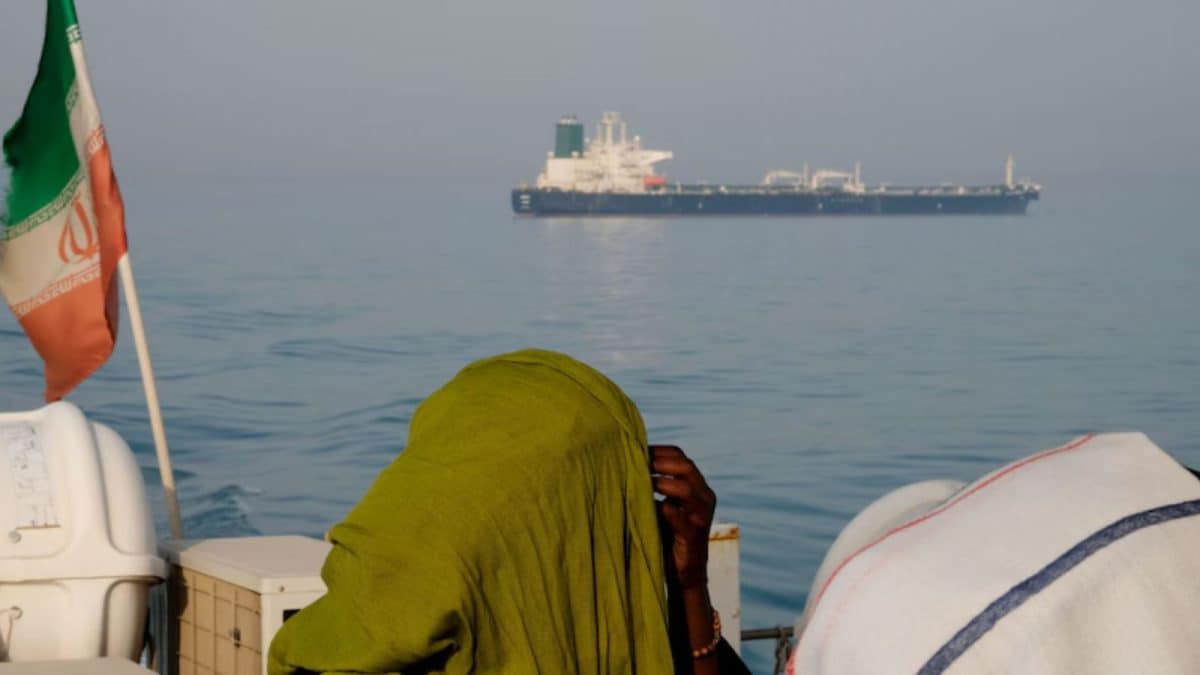
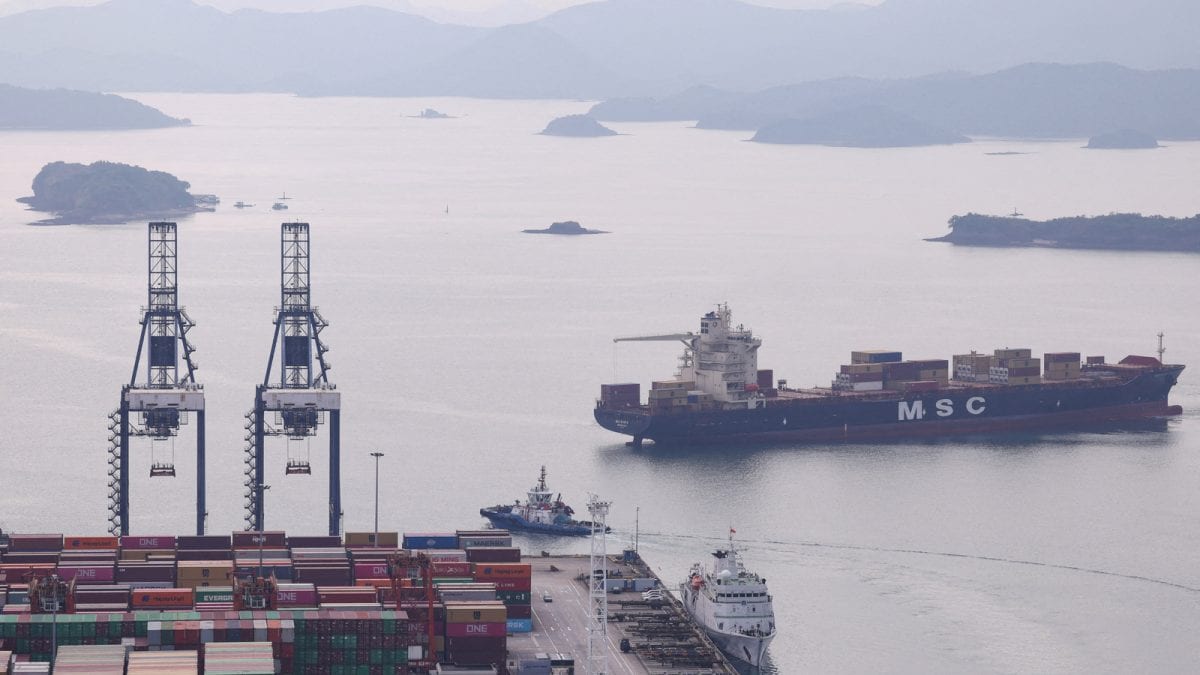
The Strait of Hormuz measures just 33 kilometres wide. (Photo Credit: X)
The Strait of Hormuz is a strategically vital maritime chokepoint and the only sea passage connecting the Persian Gulf to the Gulf of Oman and the Arabian Sea. It is widely considered the world’s most important oil transit route.
It lies between Iran to the north and the Musandam Peninsula (an exclave of Oman) and the United Arab Emirates to the south. At its narrowest point, the strait is approximately 33 kilometres (21 miles) wide. Navigable channels for massive tankers are highly restricted, consisting of two-mile-wide inbound and outbound lanes separated by a two-mile buffer zone.
WHAT IS ITS STRATEGIC SIGNIFICANCE?
Energy Lifeline: Roughly 20% to 30% of the world’s total oil trade and approximately 20% of global liquefied natural gas (LNG) pass through this narrow waterway daily.
Major Exporters: It is the primary route for petroleum exports from major producers including Saudi Arabia, Iraq, Kuwait, Qatar, the UAE, and Iran.
Asian Markets: Approximately 80% of the oil transiting the strait is destined for Asian markets, with China, India, Japan, and South Korea being the top consumers.
THE US-ISRAEL-IRAN CONFLICT AND THE STRAIT OF HORMUZ
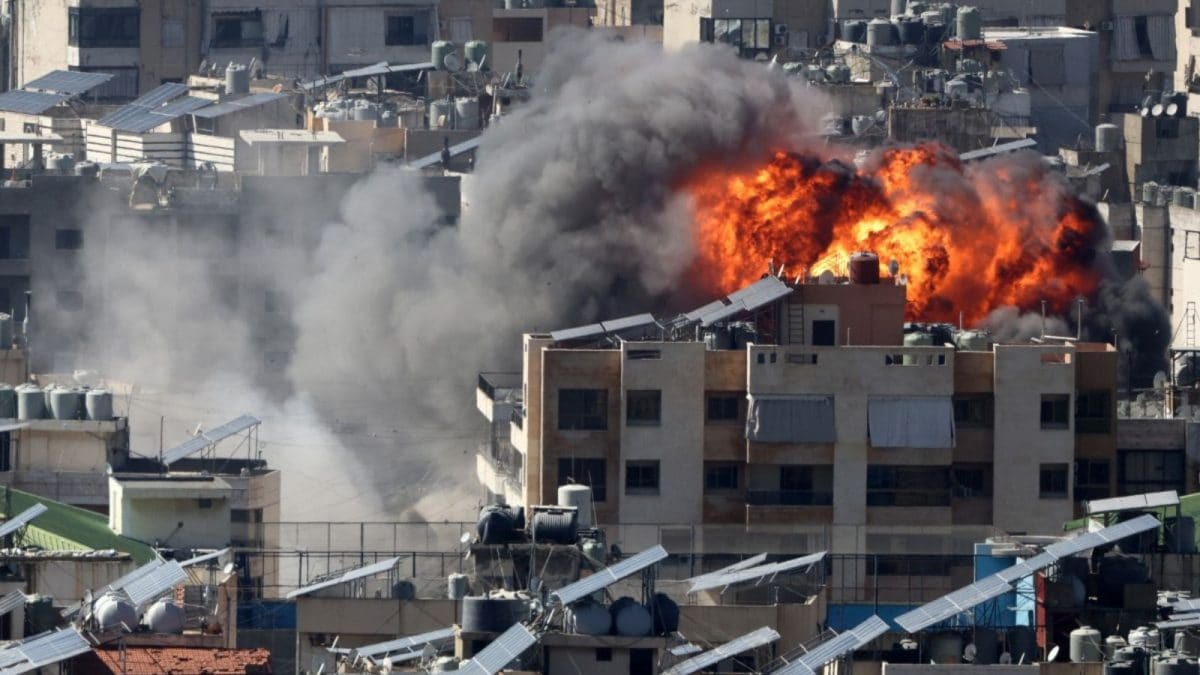
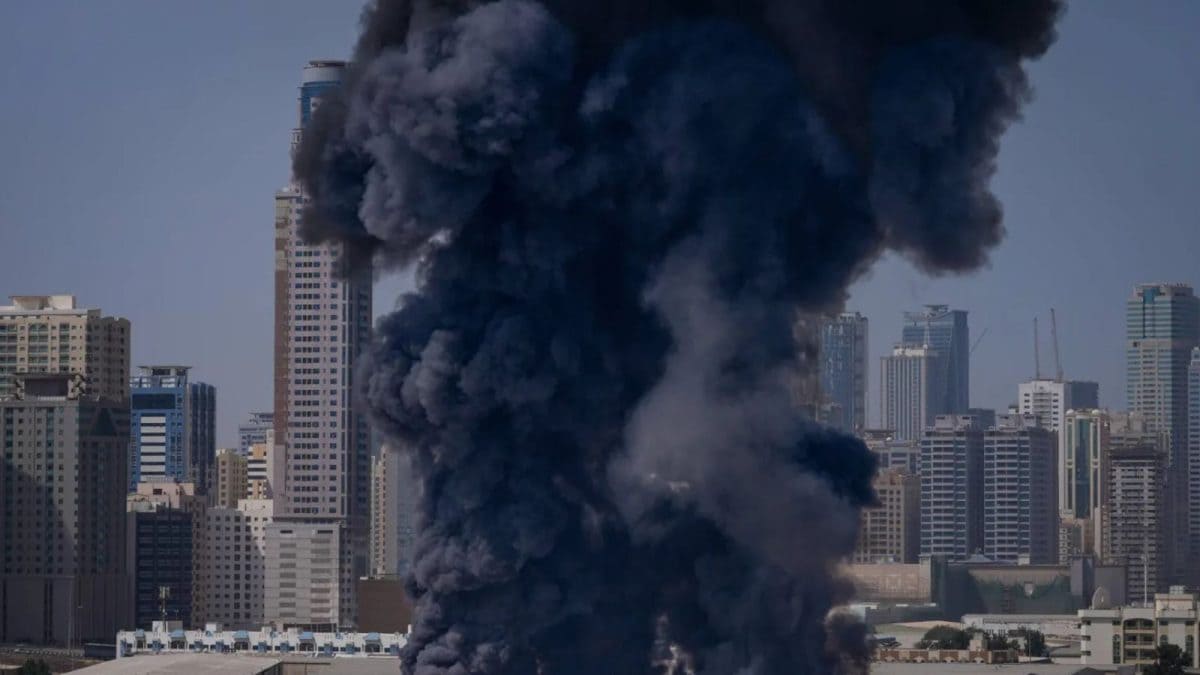
The strait has become a major flashpoint following U.S. and Israeli military strikes on Iran.
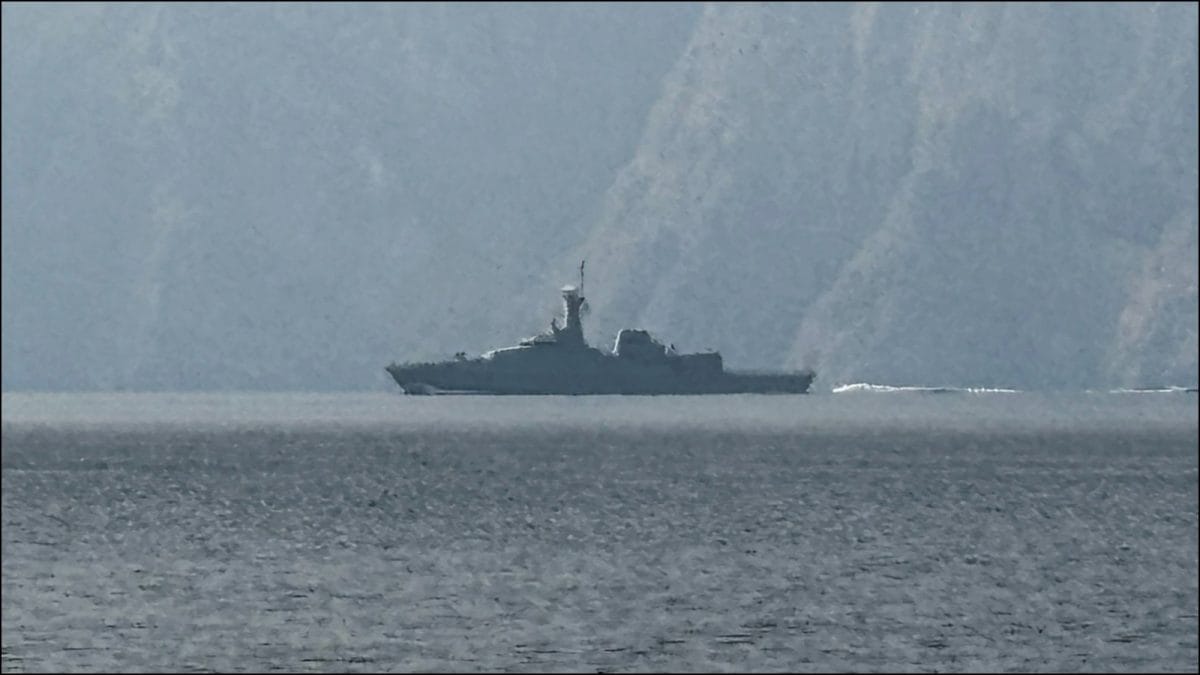
On March 2, Iran’s Islamic Revolutionary Guard Corps (IRGC) officially declared the strait closed, threatening to attack any vessel that enters. This disruption has led to a sharp drop in maritime traffic (estimated at 70%), spiked shipping insurance premiums, and caused global oil prices to surge toward $80–$100 per barrel.
THE DIGITAL CHOKEPOINT
Reports and expert analysis indicate that the waterway is a major “digital chokepoint" with several critical systems passing through it.
The following major undersea cable systems are known to traverse the region, connecting the Persian Gulf to global networks:
FALCON (Flag Atlantic-Link Channel Ocean Network): Owned by Flag Telecom, this system provides critical connectivity for Mumbai, Chennai, and Gulf countries like Kuwait, Qatar, and Bahrain.
SEA-ME-WE 4 (SMW4): A primary long-distance cable linking South Asia, the Middle East, and Europe.
I-ME-WE (India-Middle East-Western Europe): Another major system that connects India with global networks through this corridor.
EPEG (Europe-Persia Express Gateway): A high-capacity cable that sits directly beneath the strait and handles a significant portion of global financial transactions.
The cables in this area carry approximately 37% of global internet traffic. For a long time, the Strait of Hormuz was seen as a safer alternative to the Red Sea for routing data between Europe and Asia.Tech giants like Google and Meta are currently investing in new subsea routes, such as the Blue-Raman and Waterworth projects, to increase capacity and redundancy in the region.
CAN A SHUTDOWN IMPACT INDIA’S INTERNET?
While the strait is a major global shipping chokepoint, major Indian telecom providers like Bharti Airtel have officially stated they do not operate cables through this specific passage. Instead, India’s international data traffic primarily relies on routes passing through the Red Sea and the Gulf of Aden.
Despite the lack of direct cables, the area remains a “digital chokepoint" for India for several reasons:
Westward Data Volume: Approximately one-third of India’s westward internet traffic passes through the broader Gulf region near the strait.
Critical Systems: Major systems like SEA-ME-WE 4 (SMW4), I-ME-WE, and Flag Telecom’s FALCON are essential for connecting Mumbai and Chennai to Europe and West Asia.
Backup & Expansion: The strait was recently viewed as a potentially safer alternative for new cables following disruptions in the Red Sea.
Ongoing Projects: New high-capacity projects involving Indian companies or landing in India, such as Reliance Jio’s India-Europe-Express (IEX) and Google’s Blue-Raman, are currently under construction or being planned for this corridor.
THE RECENT RISKS
The ongoing geopolitical conflict in West Asia has directly impacted these lifelines:
Damage to systems like FALCON and SMW4 (near Jeddah) remains unrepaired because security risks have forced repair vessels to suspend operations as of March 2026.
Disruptions in this corridor threaten India’s goal of building a $270 billion data center ecosystem and becoming a global cloud services hub.
First Published:
March 09, 2026, 16:18 IST
News explainers Can Shutting Of Strait Of Hormuz Amid US-Israel-Iran War Impact India’s Internet? Explained
Disclaimer: Comments reflect users’ views, not News18’s. Please keep discussions respectful and constructive. Abusive, defamatory, or illegal comments will be removed. News18 may disable any comment at its discretion. By posting, you agree to our Terms of Use and Privacy Policy.
Read More