 1 hour ago
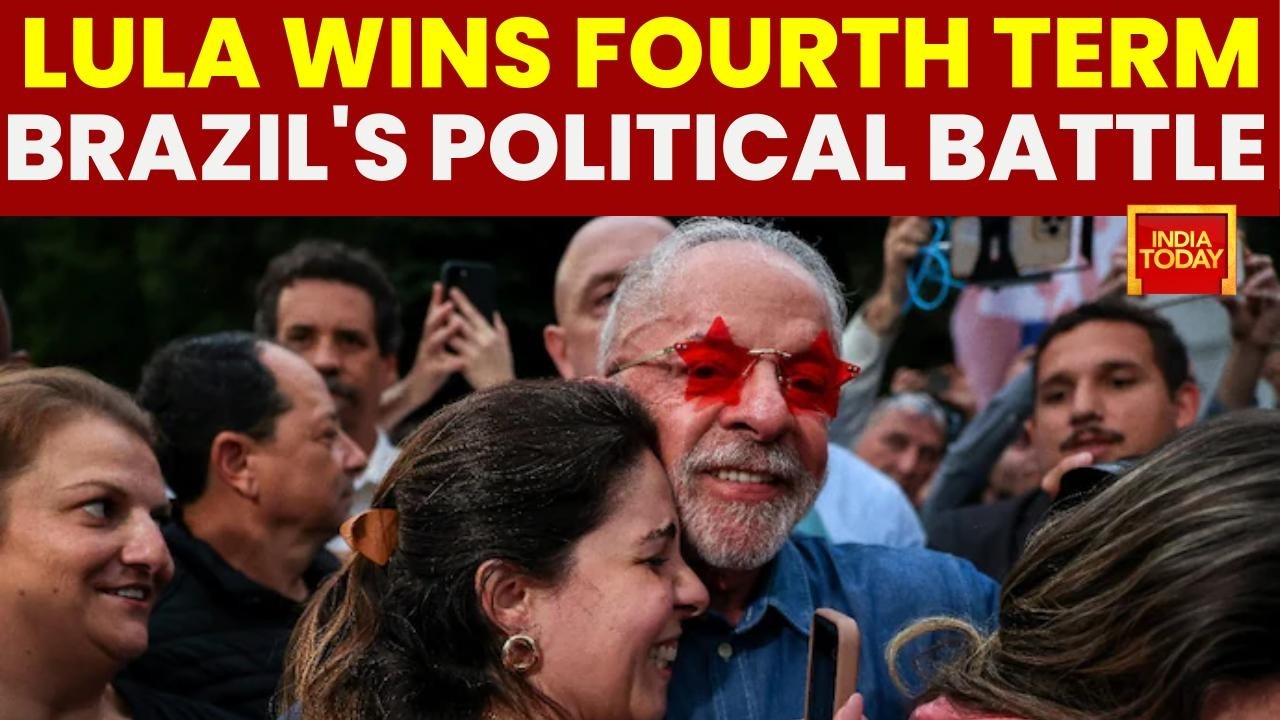
Lula won a fourth term and rebuked Trump as Flavio Bolsonaro rejected the result. The dispute raises political tensions as Lula faces a conservative Congress and economic pressure.
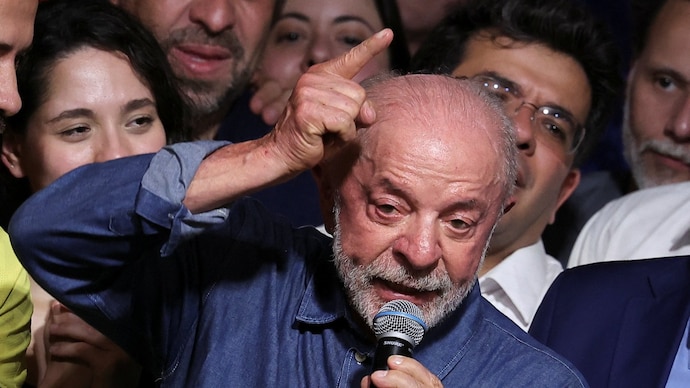
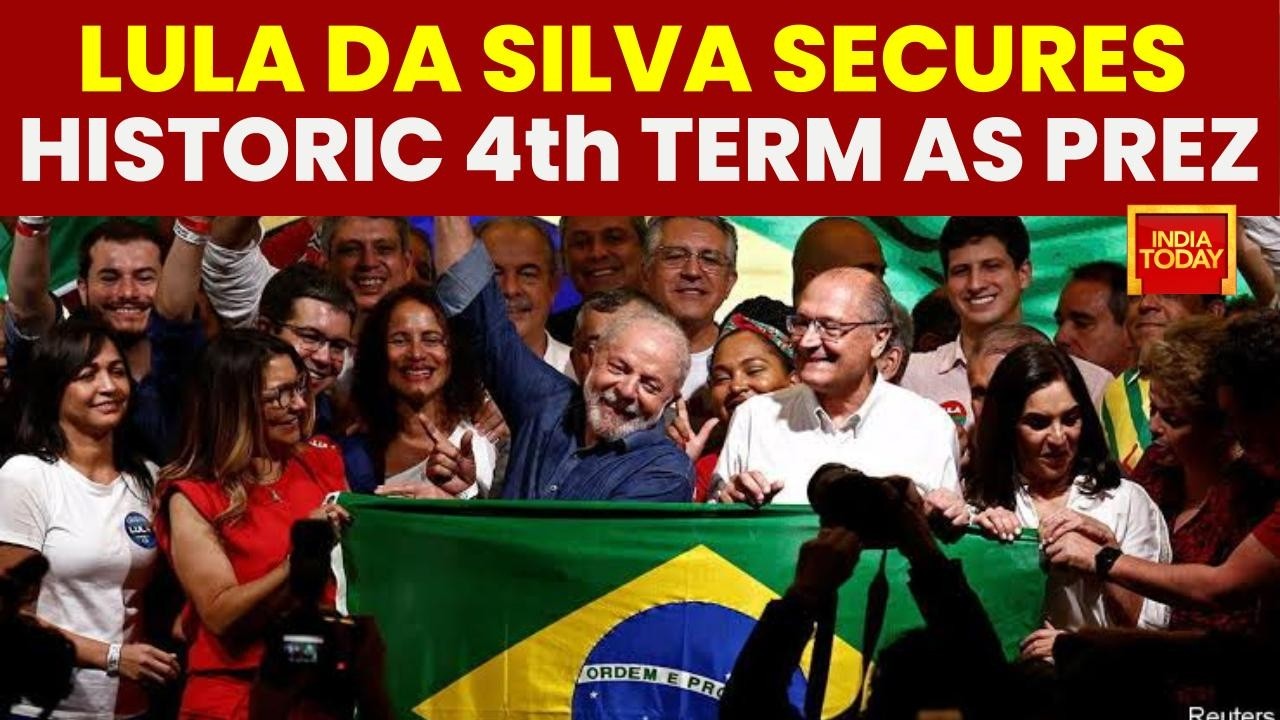
Lula’s win comes amid a broader shift towards right-wing governments in parts of Latin America. (Credits: Reuters)
Brazilian President Luiz Inacio Lula da Silva aka Lula took a swipe at US President Donald Trump after securing a historic fourth term on Sunday, saying Brazil was “no one’s backyard” and accusing foreign actors of interfering in the country’s electoral process through digital platforms.
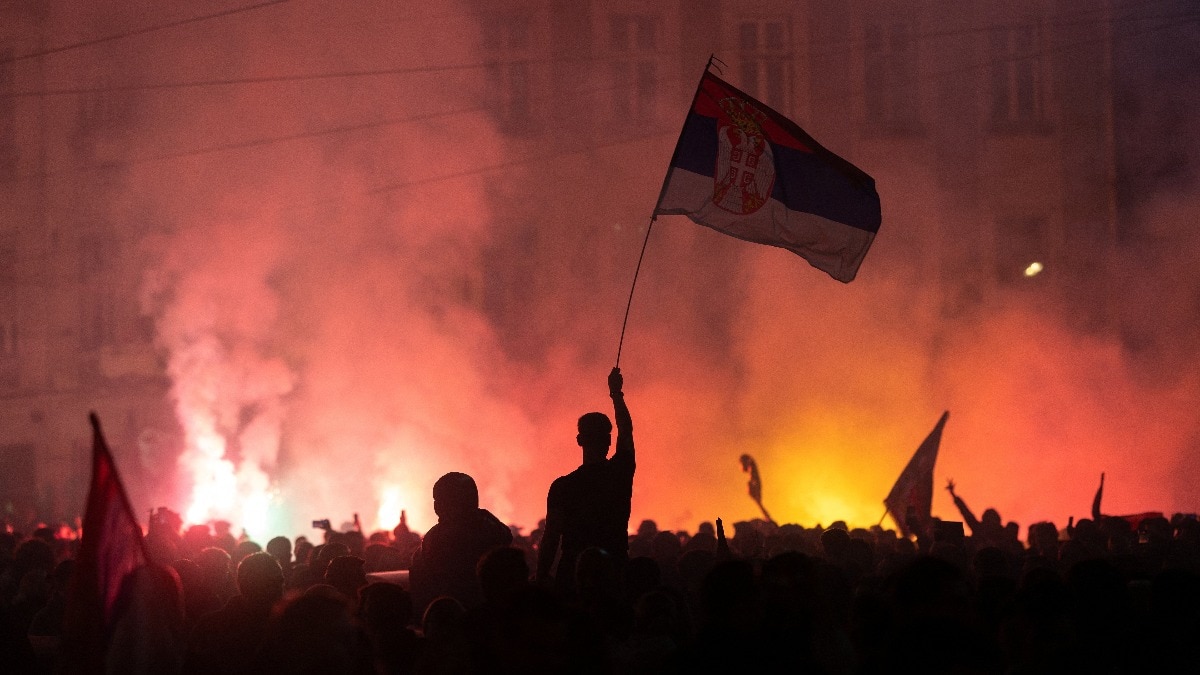
Meanwhile, defeated presidential candidate Flavio Bolsonaro, the eldest son of former president Jair Bolsonaro, refused to accept the election result and said he would seek its annulment.
Lula, whose victory was confirmed by Brazil’s electoral court, said his administration would work to safeguard the country’s sovereignty and democracy. He also called for the regulation of digital platforms, claiming that Brazil had defeated foreign intervention through online platforms.
“We managed to convince people that voting was extremely important to safeguard democracy in Brazil,” Lula said after his victory.
The president also said he would govern for all 215 million Brazilians and work with the conservative Congress elected by the people.
He added that his administration would seek to increase public participation in the decision-making process.
FLAVIO BOLSONARO REFUSES TO ACCEPT ELECTION RESULT
Flavio Bolsonaro said he would ask authorities to annul the election, arguing that a Supreme Court ruling extending voting hours on Sunday was unacceptable.
“It is impossible to acknowledge the election results,” the senator said, adding that his campaign would challenge the outcome.
The ruling extended voting by two hours. However, analysts said an annulment was unlikely, given the scale of Lula’s victory and the fact that Bolsonaro’s campaign had also sought an extension because of heavy rain in southern Brazil.
Lula defeated Flavio Bolsonaro by more than four million votes in the runoff, reversing the first-round advantage held by the senator.
The result echoes the 2022 election, when Jair Bolsonaro refused to accept his defeat to Lula. The former president was later sentenced to 27 years in prison for plotting a coup to remain in power.
Mario Braga, a Latin America analyst at risk consultancy RANE, said right-wing protests could emerge in the coming days but added that a reversal of the result was highly unlikely.
LULA’S COMEBACK AND MESSAGE TO WASHINGTON
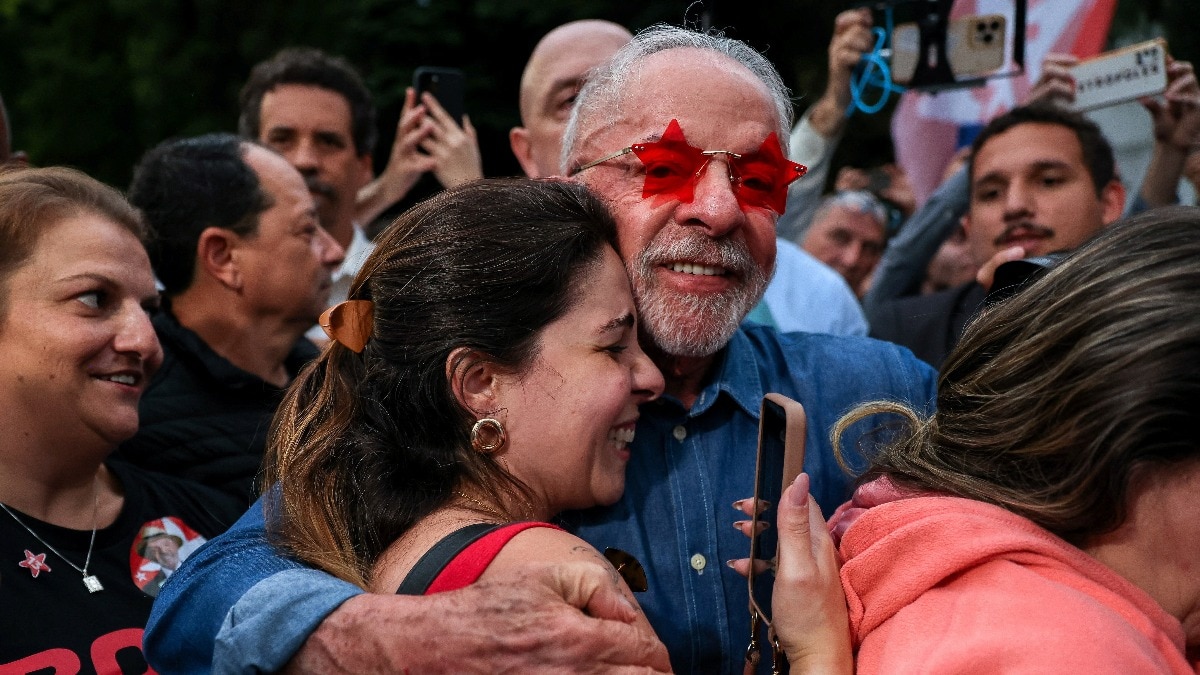
The victory marks another political comeback for the 80-year-old Lula, who was imprisoned from 2018 to 2019 on corruption charges that were later overturned. He returned to power after defeating Jair Bolsonaro in 2022.
Lula’s win also comes amid a broader shift towards right-wing governments in parts of Latin America.
During the campaign, he accused Bolsonaro’s camp of threatening Brazil’s sovereignty and warned against policies that could weaken social welfare programmes and reverse gains in poverty reduction and environmental protection.
The outcome is a setback for Trump, whose administration had supported efforts to bring the Bolsonaro family back to power. Lula’s continued leadership could provide a counterweight to Washington’s influence in the region.
Former Lula foreign minister Celso Amorim told Reuters that the Brazilian president would be important in establishing a balance in Latin America.
CONSERVATIVE CONGRESS POSES CHALLENGE FOR LULA
Despite his victory, Lula faces significant challenges during his fourth term.
Brazil has elected its most conservative Congress since the country returned to democracy in the 1980s, with Bolsonaro’s Liberal Party and its allies expected to hold substantial influence in both houses.
The political balance could make it difficult for Lula to advance legislation and maintain control over budget decisions.
Economic pressures are another concern. The government forecasts growth of 2.3% next year, while public debt has risen above 82% of gross domestic product.
High interest rates, household debt and pressure to contain public spending are expected to weigh on the administration.
Lula will therefore have to balance his pledge to protect social programmes and national sovereignty with the need to work with a conservative legislature.
His victory secures another term, but the refusal by Bolsonaro’s camp to accept the result could add to political tensions in the weeks ahead.
- Ends
With inputs from Reuters