1 hour ago
Bangladesh opened a memorial museum at Ganabhaban to honour those killed in the 2024 uprising. The anniversary unfolded under heavy security, underscoring the unrest and political fault lines after Sheikh Hasina's fall.

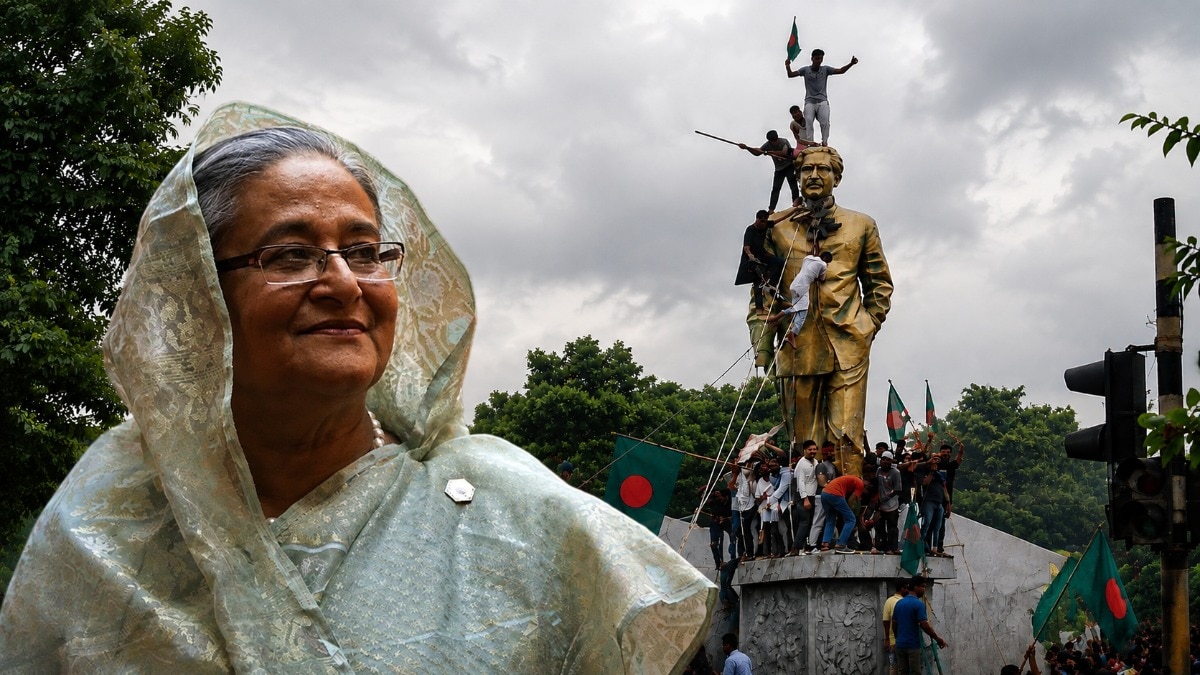
Image used for representational purposes only

Dhaka,UPDATED: Aug 5, 2026 15:30 IST
Bangladesh on Wednesday opened a memorial museum for those killed in the 2024 anti-government protests that led to the fall of Sheikh Hasina's government, as authorities kept tight security across the country on the first anniversary of her exit to India. Prime Minister Tarique Rahman inaugurated the July Mass Uprising Memorial Museum at Ganabhaban, the prime minister's official residence during Hasina's rule.
The day is being marked as July Mass Uprising Day, with the government, political parties and socio-cultural organisations holding programmes to honour those, including students, who joined the protests against what they described as Hasina's misrule and autocracy, according to state-run news agency BSS. Security was tightened amid fears of unrest linked to Hasina's planned virtual public address from New Delhi, though officials said there were no reports of violence till Wednesday afternoon.
Unveiling the museum plaque, Rahman said, "The killers in the anti-fascist movement will be tried in a transparent, impartial and credible manner following the due process of law." He added, "Justice for every crime is essential to ensure rule of law," as interim government chief Muhammad Yunus stood beside him. Rahman also announced that government institutions would be named after activists killed in the uprising and others who were killed during Hasina's Awami League rule since 2009.
According to a February 2025 report by the UN rights office, up to 1,400 people were killed between July 15 and August 15 last year, a period referred to as the July Uprising, after Hasina's government ordered a security crackdown on protesters. The protests had broken out over a controversial quota system in jobs. Hasina fled to India on August 5, 2024, reshaping Bangladesh's political landscape, and Yunus took over as chief adviser of the interim government three days later.
In November 2025, the Crime Tribunal, Bangladesh, or ICT-BD, sentenced Hasina and her former home minister Asaduzzaman Khan Kamal to death after a trial in absentia, holding them responsible for crimes against humanity and genocide linked to the attempt to suppress the protesters. Yunus' interim administration also banned the Awami League under an executive order, and the decision was later endorsed by Rahman's Bangladesh ist Party government after the February 12 elections.
Authorities had issued a nationwide security alert earlier this week over fears of violence around the anniversary, and police were asked to take extra care of their personnel and vehicles. Paramilitary Border Guard Bangladesh was deployed in the southwestern district of Gopalganj, Hasina's ancestral home district and the birthplace of her father, Bangladesh founder Sheikh Mujibur Rahman. Media reports and analysts said there had been unease in Bangladesh since Hasina announced last month that she would return home by December. The concern grew after her party said she would appear virtually before the international press at the New Delhi-based Foreign Correspondents' Club of South Asia on Wednesday.
Ahead of the event, Hasina's US-based son and ICT affairs adviser to the ousted Awami government, Sajeeb Wazed, wrote on social media, "The August 5 reminds us how an organised state, social system is grabbed by extremists under a unique design of some power greedy anti-Bangladesh quarters." He said the day had badly affected Bangladesh's democratic continuity and caused prolonged political unrest and a long-term crisis in different sectors of the state. Earlier, Prime Minister's information adviser Zahed Ur Rahman warned that media outlets carrying Hasina's speech would face strict legal action, saying this would violate an active ICT-BD ban. But ICT-BD chief prosecutor Aminul Islam said there was no blanket legal ban on broadcasting or publishing Hasina's statements, and that the restriction applied only to remarks containing hate speech or undermining the dignity and image of the tribunal. The museum inauguration, nationwide observances and the security vigil together reflected how Bangladesh marked the anniversary of the July uprising and its aftermath.
With PTI Inputs
- Ends
Published By:
India Today Web Desk
Published On:
Aug 5, 2026 15:30 IST