 1 month ago
Last Updated:December 20, 2025, 20:52 IST
Over the past two months alone, Baloch insurgents have targeted the two trains at least three times

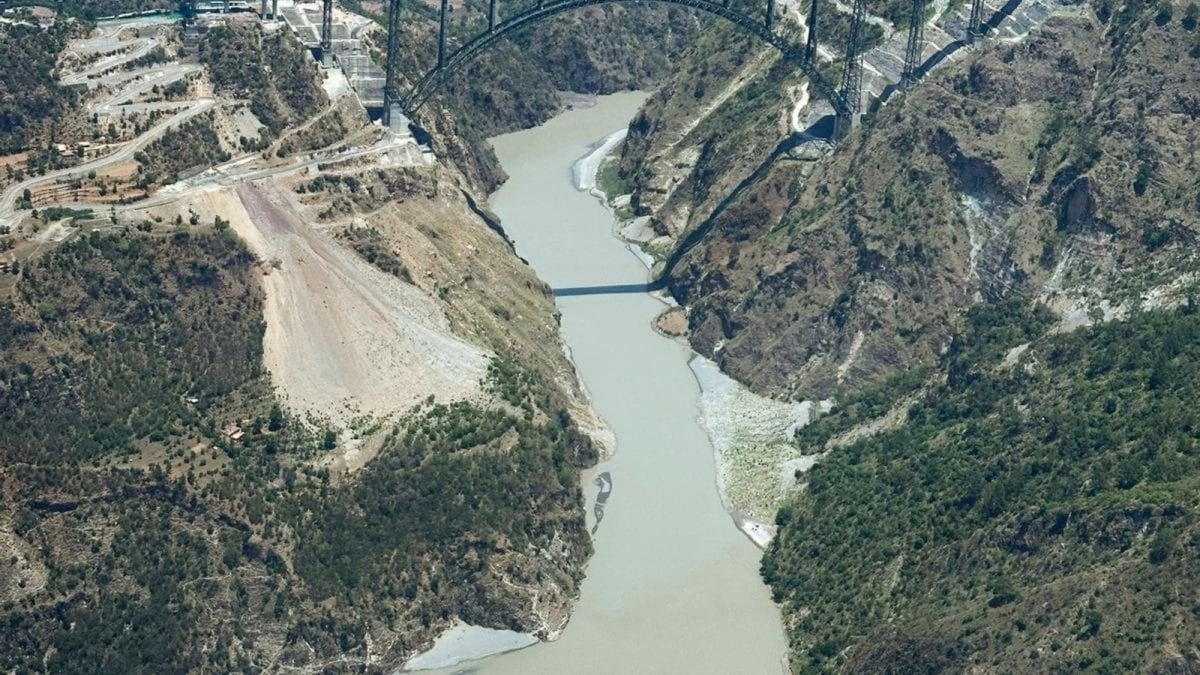
Balochistan, Pakistan, insurgency As security forces intensify their presence along the rugged mountain passes, the recurring nature of these attacks highlights the immense challenge the Pakistani state faces in securing its vast, mountainous frontier against deeply entrenched separatist factions. Representational image/Reuters
Suspected insurgents triggered two separate bomb blasts on the main railway line in Pakistan’s restive Balochistan province on Friday, targeting two passenger trains in a coordinated attempt to sabotage the region’s critical transport infrastructure. The explosions, which damaged sections of the track in the Mushkaf and Dasht areas, were aimed at the Peshawar-bound Jaffar Express and the Karachi-bound Bolan Mail. While both trains narrowly escaped a direct hit, the blasts resulted in the suspension of rail traffic between Balochistan and the country’s other three provinces, leaving hundreds of passengers stranded as security forces and repair crews scrambled to the sites.
According to Senior Superintendent of Police (SSP) Quetta Shahid Nawaz, the first blast damaged approximately three feet of track in Mushkaf, while a subsequent explosion in the Dasht area of Mastung district caused additional destruction to the main line. Following the incidents, railway authorities implemented a strict security protocol, announcing that outbound train schedules from Quetta would henceforth only be confirmed after rigorous security clearance. Despite the high alert, a special service of the Jaffar Express was permitted to depart for Peshawar on Saturday to manage the significant passenger rush, while regular operations remained pending further safety approvals.
The Jaffar Express, in particular, has become a frequent and high-profile target for ethnic Baloch separatist groups who claim to be fighting for the province’s secession. This latest attempt follows a harrowing year for the railway service; in March 2025, the same train was the target of an unprecedented hijacking in the Bolan Pass, where terrorists took nearly 400 passengers hostage, resulting in a deadly standoff that left over 20 people dead. Over the past two months alone, insurgents have targeted the Jaffar Express and Bolan Mail at least three times. While these recent blasts caused no fatalities, they underscore the persistent volatility of the region and the precarious nature of civilian travel.
The ongoing insurgency in Balochistan often targets state infrastructure, including gas pipelines and railway links, which militants view as symbols of federal exploitation of the province’s natural resources. The frequent targeting of the Quetta-Peshawar route serves as a strategic move to isolate the province and disrupt the civil-military balance. As security forces intensify their presence along the rugged mountain passes, the recurring nature of these attacks highlights the immense challenge the Pakistani state faces in securing its vast, mountainous frontier against deeply entrenched separatist factions.
First Published:
December 20, 2025, 20:52 IST
News world Balochistan Train Traffic Goes Of The Rails After Twin Bombings; Jaffar Express & Bolan Mail Targeted
Disclaimer: Comments reflect users’ views, not News18’s. Please keep discussions respectful and constructive. Abusive, defamatory, or illegal comments will be removed. News18 may disable any comment at its discretion. By posting, you agree to our Terms of Use and Privacy Policy.
Read More