3 hours ago
Andy Burnham used his first Cabinet meeting to announce a VAT cut on household electricity bills. The move sets the tone for a cost-of-living agenda but has triggered questions over how it will be funded.

Image used for representational purposes only

London,UPDATED: Jul 21, 2026 20:20 IST
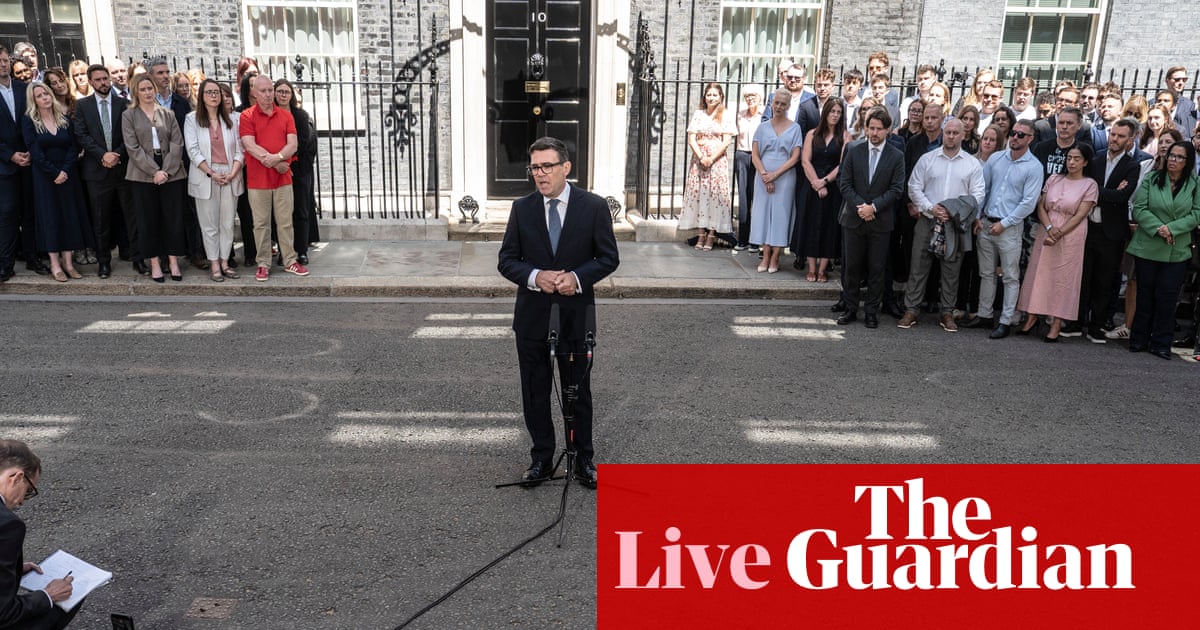
British Prime Minister Andy Burnham chaired his first Cabinet meeting at 10 Downing Street on Tuesday, promising to lead a "cost-of-living government" and announcing a tax cut aimed at reducing household electricity bills. He told ministers the government would take "immediate action" to cut taxes on energy bills and put "more money in people's pockets".
The government said it will remove value added tax from domestic electricity bills from October 1, with the policy to be funded by cancelling a scheme proposed by Burnham's predecessor, Keir Starmer. But the move was quickly challenged by critics, including within Labour, while the Opposition Conservatives demanded that Parliament return from its summer recess so Burnham could face scrutiny in the House of Commons.
At the Cabinet meeting, Burnham told his team: "We need to be a cost-of-living government, getting that cost of living down, looking at all possible ways of doing that." He added: "We are taking immediate action to cut taxes on energy bills, put more money in people's pockets and bring back hope." Downing Street said targeting electricity bills would support more people as all suppliers are expected to pass the VAT reduction on to customers.
John Healey, the newly appointed Chancellor at No. 11 Downing Street, said: "This measure is funded this year from cancelling the Digital ID programme, and it will help bring down inflation while supporting households in every postcode." However, Darren Jones, the former chief secretary to the UK Treasury who was moved out of the Cabinet in Monday's reshuffle, disputed that claim. "But the Digital ID program was unfunded. The government will have to set out how it will pay for its new policies at the Budget," he posted on social media.
Burnham also told ministers he wanted to give people "breathing space" and "that little extra sense that help is coming so that they can have that bit of hope that things are getting better". He asked departments to look at ways to help deliver that, while saying ministers would need to be ready to "reprioritise" spending and make "difficult decisions" financially.
Starmer's leadership came to an end two years after Labour's landslide election win in July 2024, largely after domestic energy bills rose following the Russia-Ukraine conflict and were worsened by the war in Iran. Burnham replaced him after winning the party leadership uncontested, promising Labour MPs quicker structural reforms set out in the party's general election manifesto. "Westminster has not been working for people for too long, with families struggling with the cost of living. That needs to change," Burnham said on his first full day as prime minister.
The former mayor of Greater Manchester has also started work on his proposed "No. 10 North" plan to shift political power away from its London-centred base at Downing Street. Louise Haigh, who is effectively his deputy as First Secretary of State at the Cabinet Office, will oversee this devolution push, as Burnham begins his premiership with a focus on living costs, spending choices and structural reform.
With PTI Inputs
- Ends
Published By:
India Today Web Desk
Published On:
Jul 21, 2026 20:20 IST