1 hour ago
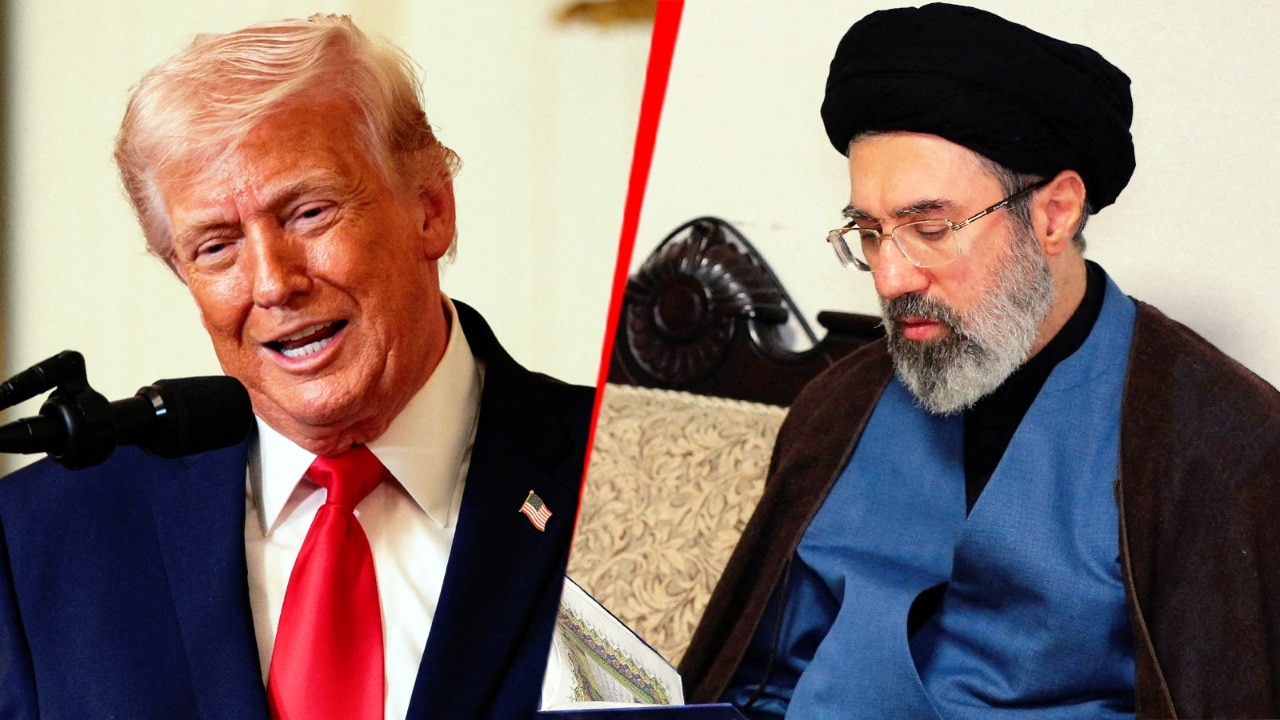
Iran has warned that no final understanding will be reached unless Washington agrees to release part of Iran's blocked assets at the very first stage of the deal.
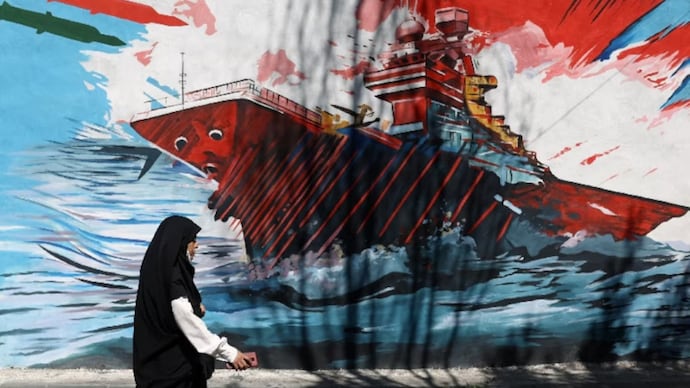
Iranian officials appear increasingly wary of accepting commitments from the US without immediate and verifiable action. (Representative Image: Reuters)

UPDATED: May 25, 2026 00:49 IST
Hopes of a possible breakthrough between Iran and the United States have dimmed after Iranian media reported that disagreements over the release of Tehran's frozen assets could derail the proposed agreement meant to end Gulf tensions and reopen the Strait of Hormuz.
According to Iran's semi-official Tasnim news agency, Tehran has warned that no final understanding will be reached unless Washington agrees to release part of Iran's blocked assets at the very first stage of the deal.
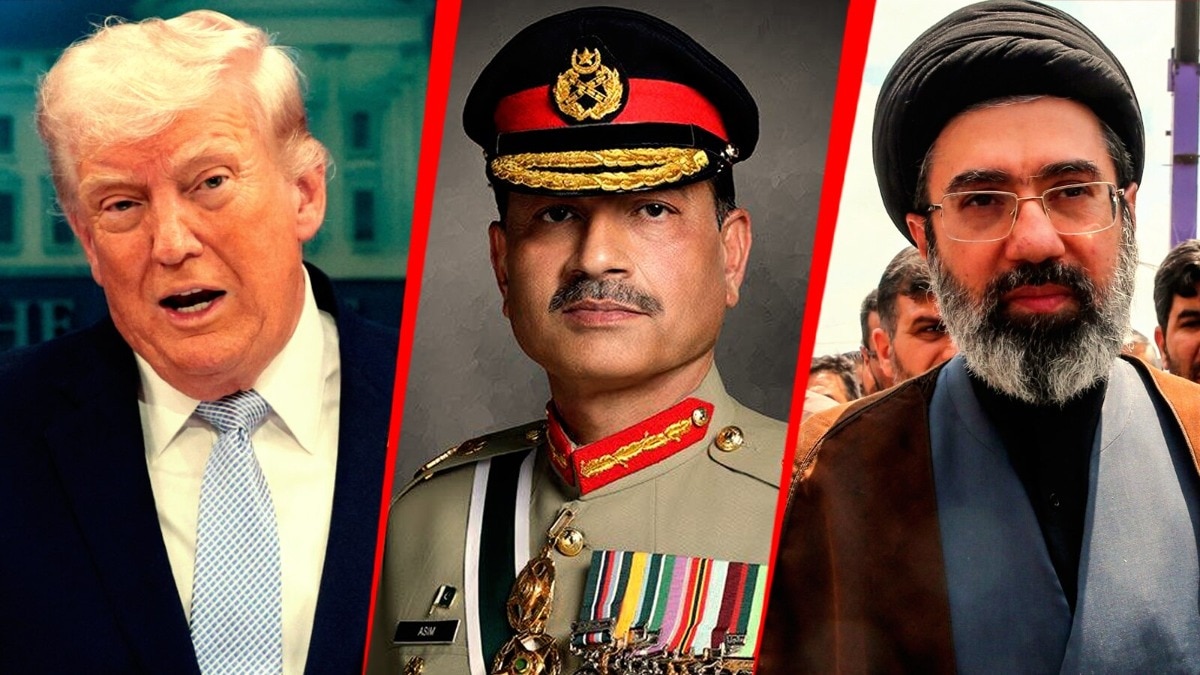
The report, citing an informed source, said Iran believes the US has repeatedly changed positions during negotiations and continued to obstruct core clauses despite earlier understandings reached through mediation efforts involving Pakistan and Middle East countries.
The source claimed the issue had already been communicated to Pakistani mediators and other regional actors involved in backchannel diplomacy.
IRAN REJECTS TRUMP'S VAGUE PROMISES
Iranian officials appear increasingly wary of accepting commitments from Washington without immediate and verifiable action. The source quoted by Tasnim said Tehran would not accept what it considers unclear guarantees regarding the future release of frozen Iranian funds. Based on what Iran described as previous experiences of "repeated breaches and obstruction" by the US, Tehran insists that the release of assets cannot remain limited to "paper promises".
The report also said Iran has made clear it will not retreat from its "red lines" during negotiations.
Several US media outlets, including CNN, have also reported that a formal agreement between Washington and Tehran is still not ready, with major disagreements continuing to hold up the negotiations.
The fresh tensions have dampened hopes that months of negotiations could finally produce an agreement to restore stability to energy markets. Much of the proposed framework reportedly centres on reopening the Strait of Hormuz, one of the world's most strategically important oil shipping routes, which has faced severe disruptions since fighting escalated earlier this year.
TRUMP IS OPTIMISTIC BUT NOT READY TO COMMIT
US President Donald Trump has continued sending mixed signals about the state of negotiations.
While Trump claimed on Saturday that a deal between Washington and Tehran had been "largely negotiated", he later clarified that discussions were still incomplete and warned that the US would not rush into an agreement.
"If I make a deal with Iran, it will be a good and proper one," Trump wrote in a Truth Social post on Sunday.
"It isn't even fully negotiated yet," he added.
In a separate post, the US President also made it clear that the US would keep pressure on Iran by maintaining the blockade on Iranian ports and shipping until a final agreement is officially completed and signed.
"The blockade will remain in full force and effect until an agreement is reached, certified, and signed," he wrote.
WHAT THE PROPOSED DEAL MAY INCLUDE
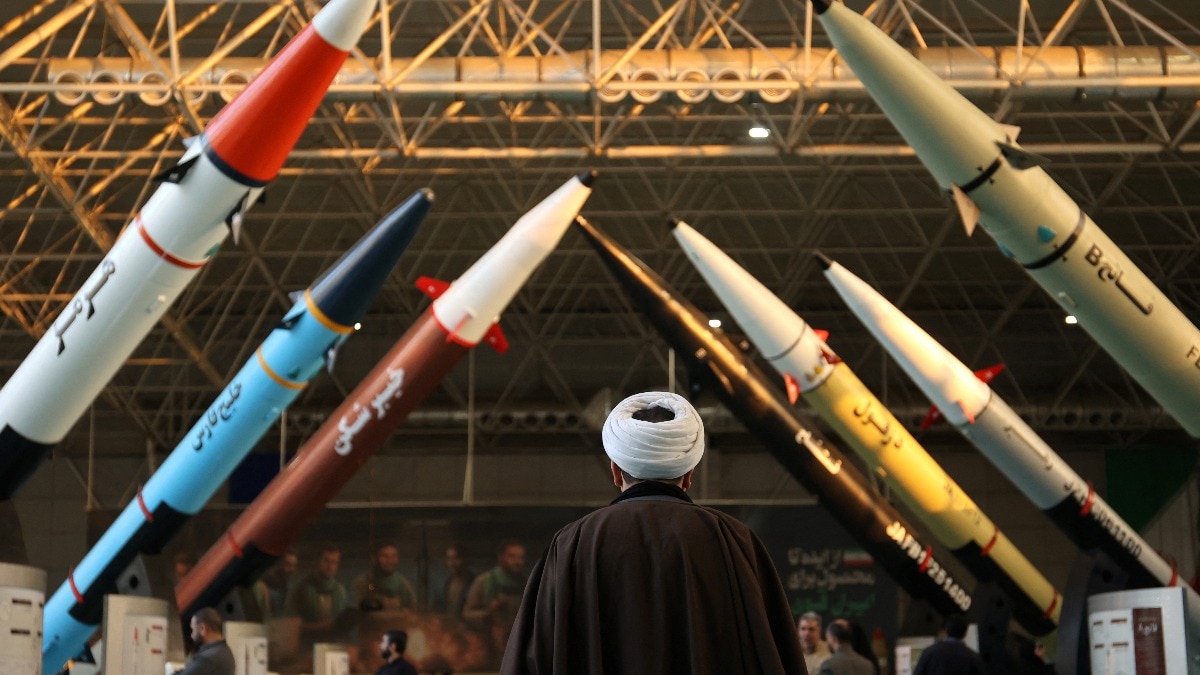
Among the proposals reportedly under discussion is a plan for Iran to reopen the Strait of Hormuz and dispose of its stockpile of highly enriched uranium.
However, there is still no final agreement on how that uranium would be disposed of or how long any restrictions on future enrichment activities would remain in place. According to CNN, the sanctions relief and release of frozen Iranian assets would likely happen only after Tehran follows through on commitments on Hormuz and its nuclear programme.
That sequencing appears to directly clash with Iran's current demand for immediate asset releases in the first phase of the agreement. Trump has repeatedly warned -- often in blunt and uncompromising terms -- that Iran must never be allowed to obtain nuclear weapons.
"There can be no mistakes!" Trump said.
"They must understand, however, that they cannot develop or procure a Nuclear Weapon or Bomb."
Despite weeks of intense diplomacy, backchannel talks and mediation efforts involving regional countries, officials on both sides now appear far more careful about predicting whether a final breakthrough is actually within reach.
- Ends
With inputs from agencies
Published By:
Satyam Singh
Published On:
May 25, 2026 00:49 IST